







The math on the daily iced coffee habit is not subtle. Eight dollars a day, five days a week, is $2,080 a year — for a drink that takes three minutes to make at home and tastes, with the right setup, at least as good as the coffee shop version. The at-home iced coffee station is not a complicated project. It’s the right cold brew maker, the right glass, the right syrup situation, and a few small details that make the ritual feel intentional rather than improvised. Six finds, the full setup, and the specific tricks that make the home version the one you actually prefer.
What You’ll Find In This Post:
- 6 Finds for the At-Home Iced Coffee Station
- 1. The Cold Brew Maker That Changes Everything
- 2. The Glass That Makes It Feel Like the Coffee Shop
- 3. The Frother That Upgrades The Whole Experience
- 4. The Simple Syrup That Replaces the Sugar Packet
- 5. The Reusable Straw Set That Belongs on the Station
- 6. The Organizer That Makes It a Proper Station
- Mini FAQ
- More Kitchen Inspiration
6 Finds for the At-Home Iced Coffee Station
1. The Cold Brew Maker That Changes Everything
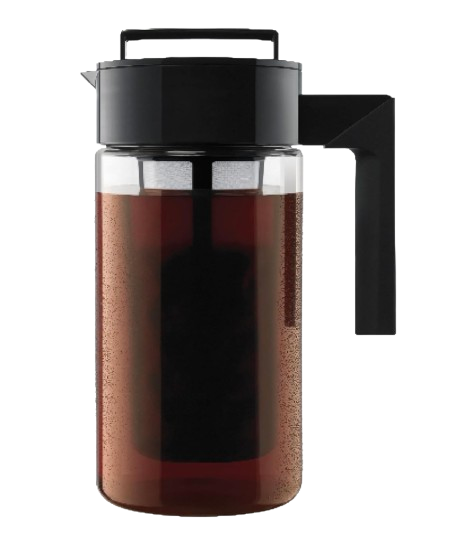
Takeya Patented Deluxe Cold Brew Coffee Maker
Cold brew is not regular coffee poured over ice — it’s coffee steeped in cold water for 12–24 hours, which produces a concentrate that is smoother, less acidic, naturally sweeter, and significantly more caffeinated than hot-brewed coffee cooled down. The difference between cold brew and iced coffee is immediately apparent in the first sip and explains why the coffee shop version is so much better than the home version most people have been making. The Takeya cold brew maker is the one worth having: a borosilicate glass carafe with a fine-mesh stainless steel filter that fits in the refrigerator door, seals airtight, and produces a full quart of concentrate that keeps for two weeks. Make it Sunday night, have cold brew through the following weekend. The concentrate dilutes with water or milk to taste — typically one part concentrate to one or two parts liquid — which means the quart produces eight to sixteen glasses of iced coffee.
The setup tip: Coarse-ground coffee makes the cleanest cold brew — fine grounds pass through even a good filter and produce a cloudy, slightly gritty result. Buy whole beans and grind coarsely at home, or ask the coffee shop to grind for cold brew when you buy the bag.
2. The Glass That Makes It Feel Like the Coffee Shop
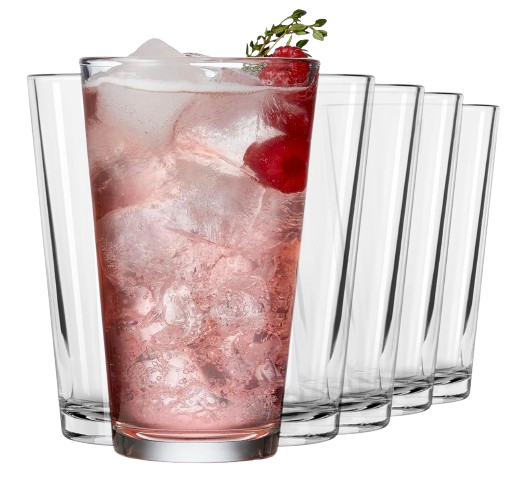
The glass matters more than it should — the same iced coffee in a plastic cup from the back of the cabinet versus a proper tall glass with a cold exterior produces a meaningfully different experience, and the experience is part of what you’re paying for at the coffee shop. The Libbey Aruba 16-oz. tumblers are the budget glass that reads as proper: thick base, slight taper, the right weight in the hand, and tall enough to accommodate ice, concentrate, milk, and a straw simultaneously without overflowing. At $22 for 6, they’re dishwasher-safe, break-resistant for kitchen use, and the format that makes the home iced coffee feel like somewhere rather than something grabbed on the way out the door.
The setup tip: Keep two of these in the freezer for five minutes before use — a pre-chilled glass keeps the ice from melting immediately and the coffee cold longer. The coffee shop puts the cup in the freezer or uses a cold rinse for the same reason.
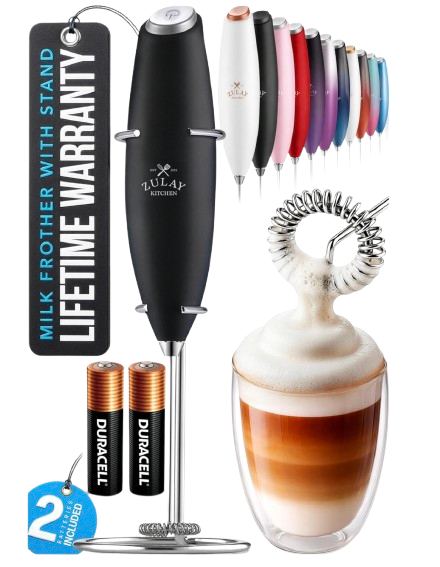
3. The Frother That Upgrades The Whole Experience
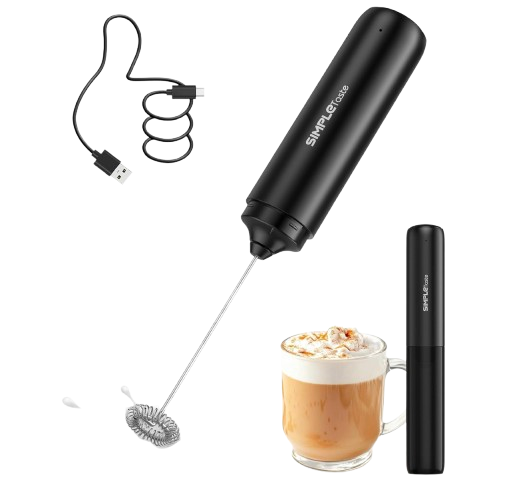
Zulay Handheld Electric Milk Frother
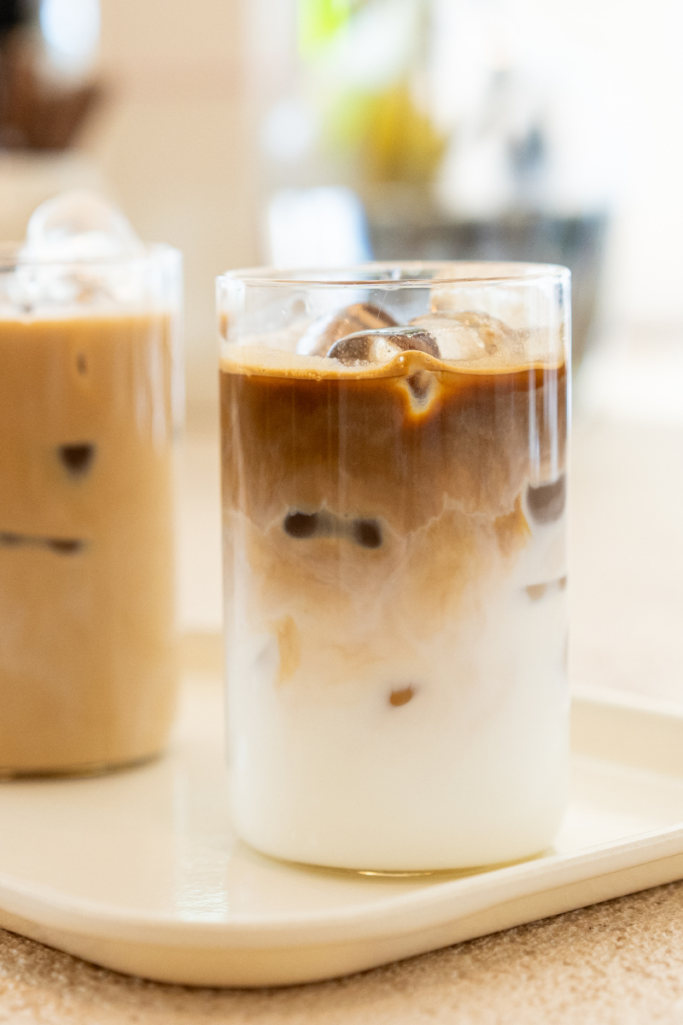
The difference between iced coffee with cold milk poured in and iced coffee with frothed cold milk is the difference between a grocery store version and a coffee shop version — the frothed milk incorporates differently, creates a lighter texture throughout the drink, and produces the visual foam layer that makes an iced latte look like something. The Zulay milk frother is the handheld frother that costs $10 and lasts for years: battery-operated, takes ten seconds to froth a small amount of cold milk in a jar or cup, and the result is the cold foam that coffee shops charge an extra dollar for. For oat milk specifically — the current standard in iced coffee — cold frothing produces a surprisingly substantial foam that holds its texture for several minutes. Worth every penny doesn’t begin to cover it.
The setup tip: Froth the milk in a small mason jar rather than the glass — fill the jar a third full of cold milk, froth for ten seconds, then pour over the iced coffee concentrate already in the glass. The foam pours cleanly off the top and sits on the surface of the drink the way it does at the coffee shop.
4. The Simple Syrup That Replaces the Sugar Packet
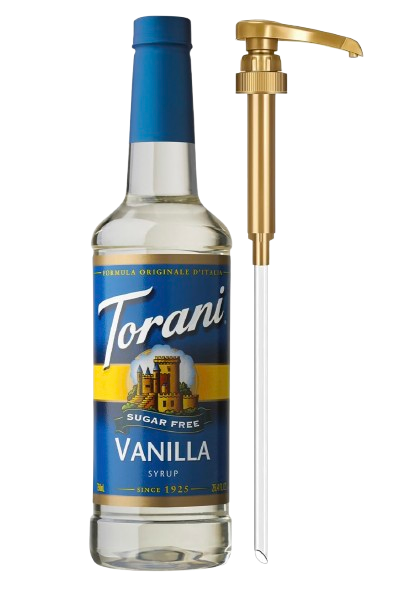
Torani Sugar Free Vanilla Syrup
Coffee shop iced coffee tastes different from home iced coffee partly because of the cold brew quality and partly because the sweetener dissolves properly in cold liquid — which granulated sugar doesn’t do without stirring for an uncomfortable amount of time. Simple syrup (sugar dissolved in water) is the format that incorporates instantly and evenly into cold coffee, and Torani’s vanilla syrup is the specific addition that converts a plain iced coffee into the drink that tastes like something. The sugar-free version uses sucralose rather than sugar, which maintains the sweetness without the caloric addition of the sweetened version. Keep a bottle on the coffee station alongside the cold brew carafe and the frother. One to two pumps per glass. Done in seconds.
The setup tip: Make your own simple syrup if you prefer the unsweetened option — one cup of sugar dissolved in one cup of hot water, cooled, stored in a jar in the refrigerator for up to a month. Brown sugar simple syrup has a molasses warmth that works particularly well with cold brew. Lavender simple syrup is the coffee shop seasonal special that takes five minutes to make at home.
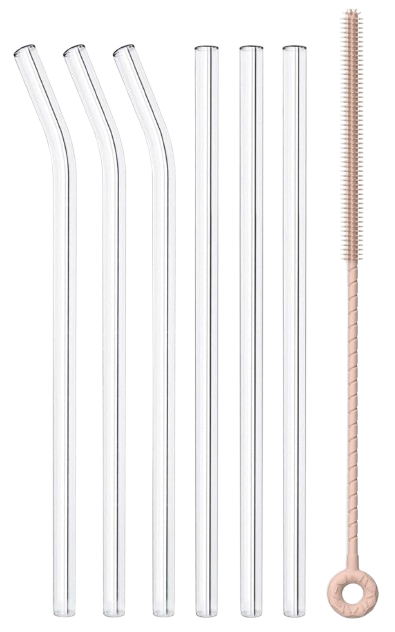
5. The Reusable Straw Set That Belongs on the Station
This is the small detail that makes the home coffee station feel like a considered ritual rather than a functional drink assembled before work. These reusable glass straws are wide enough for cold foam and thick drinks, come with a cleaning brush, store cleanly in the set, and have the matte finish that photographs beautifully if the iced coffee ends up on Instagram (which it will, because that’s what beautiful iced coffee does). The sustainable case also stands: a set of four reusable straws replaces approximately 1,500 single-use plastic straws over their lifetime. Keep them beside the glasses on the coffee station and they’re automatically part of the routine rather than something you have to find.
The setup tip: The wide-bore straw is specifically important for iced coffee drinks with cold foam or thick milk — the standard thin straw requires significant effort to drink through cold foam, which is the experience that makes the drink feel less enjoyable than it should. Wide bore, every time.
6. The Organizer That Makes It a Proper Station
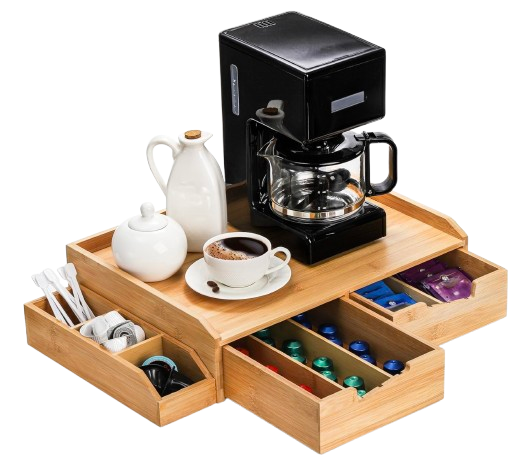
Bamboo Coffee Station Organizer with Drawer
The difference between “I make iced coffee at home” and “I have a coffee station” is the organization — when the cold brew maker, the glasses, the syrup, and the frother all live in a dedicated, intentional space, the morning routine changes. The Bamboo Coffee Station Organizer has the surface to hold the carafe and the frother, the drawer to store the straws and spoons and small accessories, and the shelf for syrups and mugs. At $31 it’s the setup cost that makes the whole station feel like a decision you made rather than a collection of things on the counter. It also coordinates with the spring kitchen aesthetic that’s been running through the Wednesday kitchen posts — the warm bamboo alongside the herb garden pots and the Le Creuset canisters is the kitchen counter that looks like somewhere you want to spend the morning.
The setup tip: Place the station somewhere with a clear sightline to the refrigerator — you want to be able to see it from wherever you reach for the cold brew carafe. A coffee station tucked in a corner is a coffee station you forget to use. Visible and accessible is the placement that makes the habit automatic.
The Complete At-Home Iced Coffee Station Setup
What you need: Cold brew maker (Sunday prep, lasts all week) → glasses in the freezer → cold brew concentrate + ice in the glass → frothed milk poured over → syrup to taste → reusable straw → done in three minutes.
The cold brew formula: ¾ cup coarse-ground coffee + 4 cups cold filtered water. Stir, seal, refrigerate for 12–18 hours. Strain through the fine-mesh filter. Dilute 1:1 with water or milk when serving. Keeps up to two weeks.
The weekly cost: One bag of quality coffee ($12–$16) makes approximately 8–10 servings of cold brew concentrate from the Takeya carafe. Per serving: $1.50–$2.00, including the milk and syrup. The coffee shop equivalent: $6–$8. Annual savings at five days a week: approximately $1,200–$1,500. No cardigan math required.
Mini FAQ
Regular iced coffee is hot-brewed coffee cooled down and poured over ice — it’s more acidic, more bitter, and dilutes faster as the ice melts. Cold brew is steeped in cold water for 12–24 hours, which extracts a smoother, less acidic, naturally sweeter concentrate. The difference is significant and explains why coffee shop iced coffee tastes better than most home versions made with hot coffee.
Yes — any coffee works, but medium to dark roasts with low acidity produce the best cold brew. Single-origin Ethiopian and Colombian beans are popular choices. The grind size matters more than the origin: coarse is essential. Fine-ground coffee produces a cloudy, over-extracted result even through a good filter.
The Takeya concentrate keeps up to two weeks in the refrigerator when sealed. Diluted cold brew (already mixed with milk or water) keeps 2–3 days. Make a fresh batch every week to 10 days and the supply stays consistent through the summer.
Personal preference, but oat milk specifically froths better than most plant milks and produces a cold foam with a texture close to whole milk — which is why it became the standard in coffee shops. Whole milk froths most easily of the dairy options. Almond milk froths poorly and tends to separate quickly.
Brown sugar simple syrup: one cup brown sugar, one cup water, heat until dissolved, cool. It has a caramel warmth that enhances cold brew specifically. Store in a mason jar in the refrigerator for up to a month.
✨ Beth’s Take: The $8 Coffee Habit That Became a Morning Ritual
I had a coffee shop habit that I consistently refused to do the math on — because doing the math would have required changing the habit, and the habit had become the morning ritual that made leaving the house feel like going somewhere rather than just going. The problem wasn’t the coffee. It was that the ritual lived at the coffee shop rather than at home.
The cold brew maker solved this more completely than I expected. Making the cold brew Sunday night takes ten minutes of actual effort — grind the coffee, add the water, put it in the refrigerator, come back in the morning. By Monday, the ritual is available at home: the tall glass from the freezer, the cold brew concentrate, the frothed oat milk, the vanilla syrup, the wide straw. Three minutes. Better than the coffee shop version, which I know because I’ve had both in the same week and the home version wins.
The bamboo organizer is the detail that made it a station rather than a collection of things. When everything has a place on the counter and that place looks considered rather than accumulated, the morning routine changes. It’s the same principle as the kitchen vignette from the spring kitchen decor post: a counter that looks intentional makes you want to use it. A coffee station that looks like somewhere makes you want to be there.
The math, since I eventually did it: I spend approximately $1.80 per morning on my home cold brew setup. I was spending $7.50 at the coffee shop. Over five days a week for 50 weeks, the difference is $1,410 a year. That is a significant number of other things. No cardigan math required.
More Kitchen Inspiration
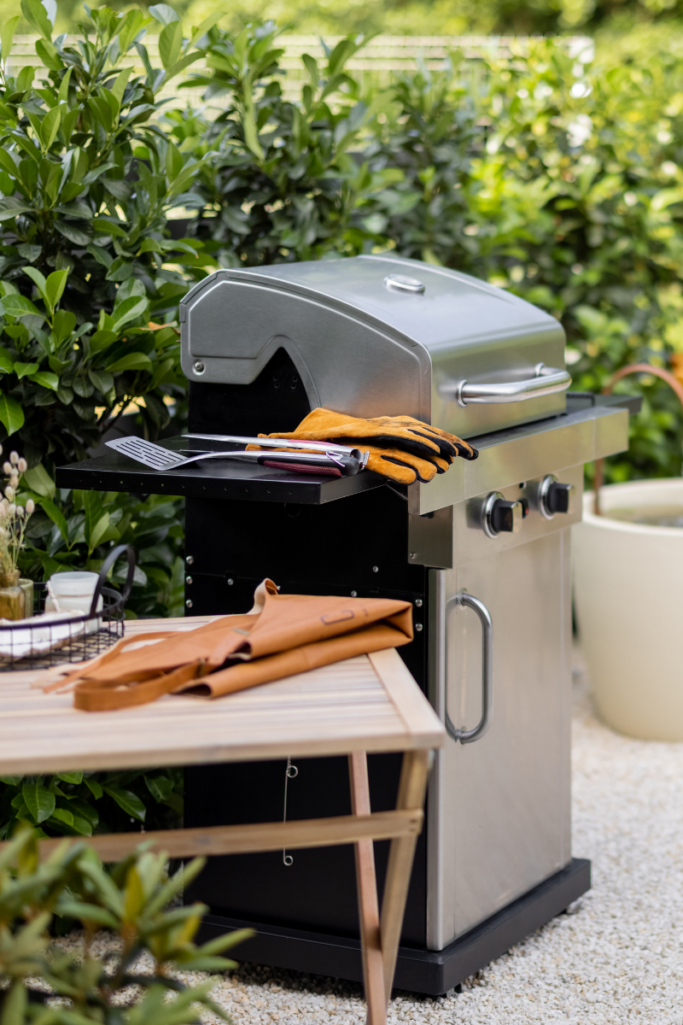
For the kitchen tools and finds that make the full kitchen feel as considered as the coffee station, 6 Spring Finds That’ll Make You Want to Spend All Day in the Kitchen covers the seasonal additions worth knowing about. And for the outdoor entertaining situation where the iced coffee station moves outside — the summer gathering where cold brew in a pitcher becomes the drink station anchor — Grilling Essentials and Upgrades That’ll Make Your Backyard the Place to Be This Summer! covers the outdoor setup that this kitchen station connects to.
Closing Thoughts
Ready to Build Your Iced Coffee Station?
The cold brew maker first — make the first batch tonight. The glasses in the freezer tomorrow morning. The frother for the oat milk, the syrup for the sweetness, the reusable straw for the finish. The bamboo organizer when the station is established enough to deserve a home. The whole setup costs under $120. The daily savings start immediately and compound through the full summer and beyond. The ritual that used to require leaving the house now happens at the counter before you do. That’s the upgrade worth making.