













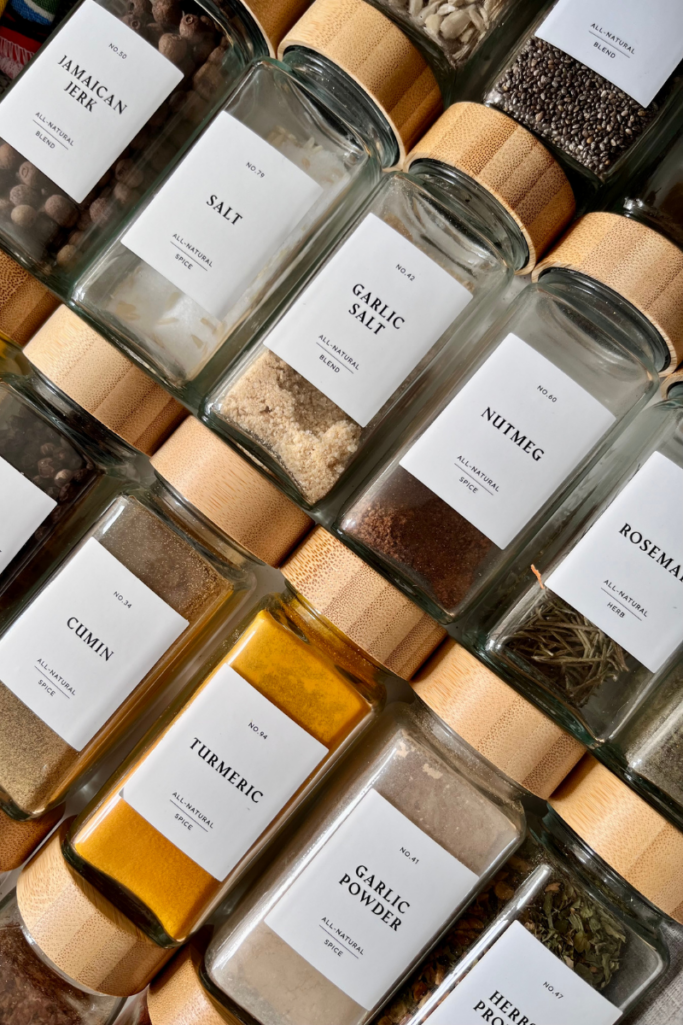
The pantry accumulates quietly all winter. Spices that crossed their best-by date sometime last fall. An olive oil that was opened in January and has been slowly going rancid on the shelf since February. Half-empty bags of specialty grains from a recipe you made once. The spring pantry refresh is not the same project as the spring pantry organization — though that project is worth doing too. This is the consumables audit: what needs to go, what needs to be replenished, and the six pantry staples worth upgrading to while you’re at it.
What You’ll Find In This Post:
- The Toss List: What to Get Rid of First
- 1. The Spice Collection That Changes How Everything Tastes
- 2. The Olive Oil Worth Cooking With
- 3. The Vinegar Collection That Opens Up Spring Cooking
- 4. The Whole Grain Upgrade That Makes Spring Bowls Worth Making
- 5. The Canned Fish That Belongs in a Spring Pantry
- 6. The Finishing Salt That Costs Almost Nothing and Changes Everything
- Mini FAQ
- More Kitchen and Pantry Inspiration
The Toss List: What to Get Rid of First
Before a single new thing goes in, do the honest edit. Here is what typically needs to go.
Ground spices older than one year. Whole spices hold their potency for two to three years; ground spices lose meaningful flavor after twelve months regardless of what the label says. The test: open the jar and smell it. If there’s no immediate, distinct aroma, it’s done. Paprika that smells faintly of dust, cumin that no longer smells like cumin, ground ginger that could be flour — these are not contributing to your cooking. They’re taking up space.
Opened oils older than six months. Olive oil oxidizes from the moment the bottle is opened, and oxidized oil is not neutral — it actively makes food taste worse. Most opened olive oils should be used within three to four months for best quality; anything past six months is likely rancid. The smell test: fresh olive oil smells grassy and slightly peppery. Rancid olive oil smells like crayons or old wax. Pour it out.
Whole grains and nuts past their best-by date. The oils in whole grains (brown rice, whole wheat flour, wheat berries) and nuts go rancid faster than refined grains because the bran layer hasn’t been removed. Nuts in particular go from fine to noticeably off quickly in a warm pantry. Smell them. Taste one. If it’s bitter or waxy, it’s gone.
Anything you’ve had for more than two years that you haven’t opened. If it’s been in the pantry through two full winters unopened, it was a purchase made with good intentions that didn’t materialize into regular use. Donate if it’s within date; discard if it isn’t. The pantry should reflect how you actually cook, not how you planned to cook.
Duplicate items without a plan. Three half-empty bottles of soy sauce. Four open bags of dried pasta in the same shape. Two containers of baking powder, one opened in 2023. Consolidate what can be consolidated, discard what can’t, and make a list of what you’re actually low on before you restock.
6 Pantry Staples To Upgrade This Spring
1. The Spice Collection That Changes How Everything Tastes
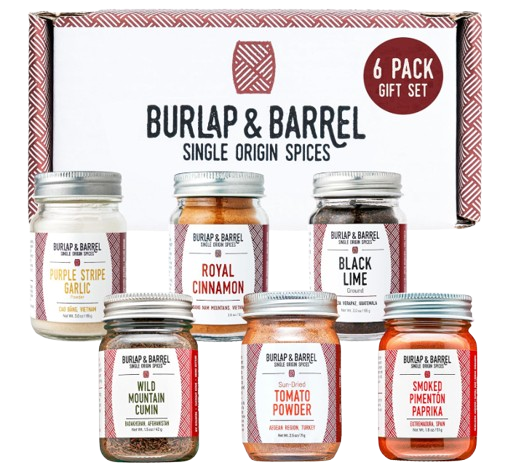
Burlap & Barrel Single-Origin Spice Set
The difference between a spice that’s been sitting in a grocery store warehouse for eighteen months and a freshly harvested, single-origin spice is the same difference as the one between a tomato from the grocery store in February and one from the farmers market in August — categorical rather than incremental. Starting a spice refresh with single-origin, recently harvested spices is the pantry upgrade that immediately shows up in your cooking.
What to restock first: Turmeric, red pepper, coriander, and cumin are the four ground spices that are most frequently old and most frequently used in spring cooking. Replace these first and the rest of the collection can follow as bottles empty.
2. The Olive Oil Worth Cooking With
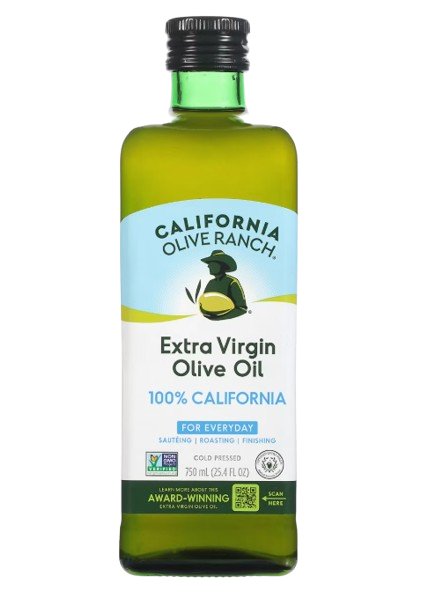
California Olive Ranch Extra Virgin Olive Oil
Olive oil is the pantry ingredient most frequently purchased on autopilot and most frequently past its prime on the shelf. The two variables worth paying attention to: harvest date (not just best-by date — look for an oil with a harvest date within the past twelve months) and bottle size relative to your use rate. A large bottle of olive oil is only a value if you use it before it oxidizes, which for most households means a 750ml bottle rather than a liter. California Olive Ranch is the accessible standard for quality domestic olive oil: independently tested, harvest-dated, and reliably fresh at the Target and Amazon price point. The 100% California blend is the everyday cooking oil; the Destination Series bottles are for finishing and dressing where the oil’s flavor is the point.
Storage tip: Olive oil belongs in a cool, dark pantry or cabinet — not beside the stove, not on the counter in a pretty bottle where it’s exposed to light and heat. Both degrade the oil faster than age does. A dark bottle in a cabinet away from heat extends its shelf life by months.
3. The Vinegar Collection That Opens Up Spring Cooking
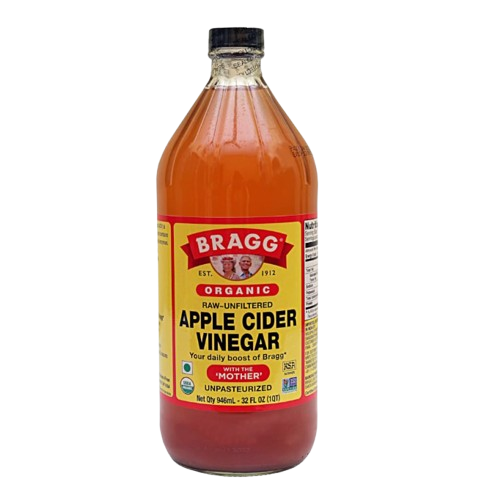
Bragg Organic Apple Cider Vinegar + Pompeian Red Wine Vinegar
Spring cooking wants acid — in salad dressings, in grain bowls, in the quick pickles that make leftover vegetables interesting, in the pan sauce that makes simple chicken taste like something. A well-stocked vinegar collection costs almost nothing and dramatically expands what’s possible on a weeknight. The two worth having: apple cider vinegar for dressings, marinades, and anything where you want a soft, slightly fruity acid (Bragg is the standard, unfiltered with the mother intact for maximum flavor); and a quality red wine vinegar for more assertive applications — the Greek pasta dressing, the vinaigrette for bitter greens, the sauce that needs a sharper edge (Pompeian is the reliable, accessible option). A white wine vinegar rounds out the set if you want to go further.
The quick pickle use case: Spring radishes, thinly sliced cucumbers, shaved fennel — all of these become pantry-ready toppings for grain bowls, tacos, and salads with ten minutes in a mixture of vinegar, sugar, salt, and warm water. The vinegar is the ingredient; everything else is already in the pantry.
4. The Whole Grain Upgrade That Makes Spring Bowls Worth Making
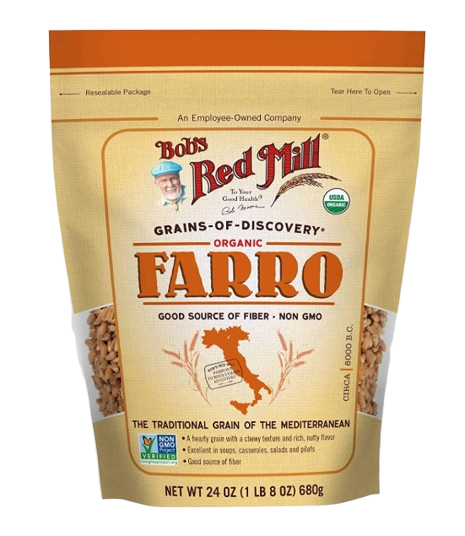
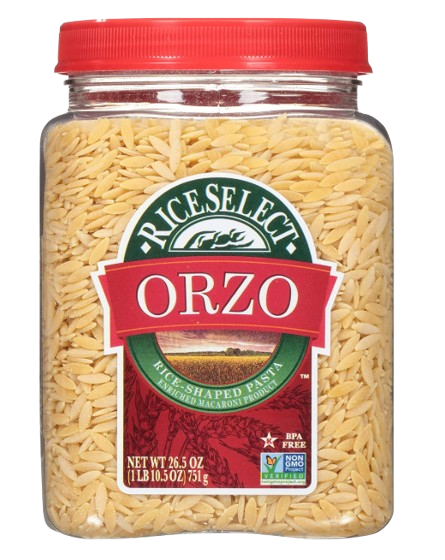
Bob’s Red Mill Farro + RiceSelect Orzo
Spring is grain bowl season — the time of year when a base of something hearty and nutty gets topped with whatever is fresh, bright, and available. Farro is the spring grain worth having: chewy, nutty, high in protein and fiber, and with a robustness that holds up under roasted vegetables, quick-pickled things, and assertive dressings in a way that rice doesn’t. Bob’s Red Mill semi-pearled farro cooks in twenty to twenty-five minutes, stores for up to a year in a sealed container, and is available at Target and on Amazon without the specialty store markup. Orzo is the warm-weather pasta alternative that cooks in nine minutes and works cold in spring salads the way rice pasta doesn’t — the RiceSelect version is widely available and reliably good. Both belong in a spring pantry that gets used.
The grain bowl formula for weeknights: Cooked farro or orzo as the base, a handful of whatever greens are in the fridge, a protein (canned chickpeas, leftover chicken, a soft-boiled egg), something briny (olives, capers, pickled onion), a drizzle of good olive oil and a splash of vinegar. This is not a recipe — it’s a formula that works every time with whatever is on hand.
5. The Canned Fish That Belongs in a Spring Pantry
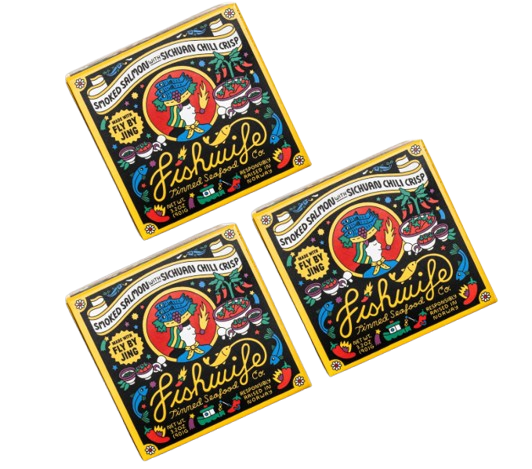
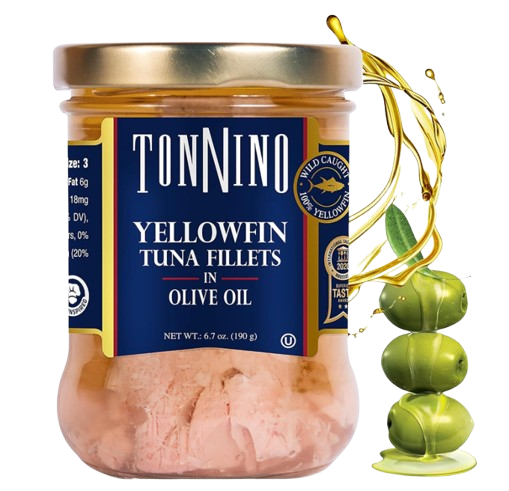
Tonnino Tuna Fillets in Olive Oil + Fishwife Smoked Salmon
Canned fish is the pantry protein that spring cooking relies on more than any other — it requires no prep, no thawing, no heat, and it’s the ingredient that turns a grain bowl or a simple pasta into a complete meal in under fifteen minutes. Two worth having: Tonnino tuna fillets packed in olive oil; and Fishwife smoked salmon, which brings a different flavor profile — smoky, rich, with the kind of depth that turns a simple cream cheese and rye moment into something that feels properly considered. Both store indefinitely and both are worth significantly more in the meal than their pantry footprint suggests.
Restocking note: Keep two of each on the shelf and replace as you use them. The pantry protein that’s always there is the one you actually cook with.
6. The Finishing Salt That Costs Almost Nothing and Changes Everything
Finishing salt is the pantry upgrade with the lowest barrier and the most immediately noticeable result. Maldon sea salt flakes — flat, pyramid-shaped crystals that crunch briefly and then dissolve — do something to food at the moment of serving that cooking salt cannot: they add texture and a burst of salinity that is experienced differently from the background seasoning in the dish itself. Sprinkled on a sliced tomato, on avocado toast, on a piece of simply cooked fish, on the grain bowl right before it’s eaten, on a square of good chocolate — this is the finishing touch that makes food taste like it came from somewhere with a chef.
The rule: Cook with kosher or regular sea salt. Finish with Maldon. The distinction matters.

The Spring Pantry Restock Checklist
Once the toss is done, here is the category-by-category restock list worth working through:
Oils and acids: Fresh olive oil (cooking and finishing), neutral oil (avocado or grapeseed for high-heat cooking), apple cider vinegar, red wine vinegar, soy sauce or tamari.
Spices: Replace any ground spice older than twelve months. Priority: cumin, coriander, turmeric, smoked paprika, red pepper flakes, dried oregano.
Grains and pasta: Farro, orzo, short pasta (rigatoni or penne), brown rice or quinoa for variety.
Proteins: Canned fish (tuna, salmon, sardines), canned chickpeas, canned white beans, lentils.
Flavor builders: Capers, Kalamata olives, Dijon mustard, good honey, coconut milk, fish sauce.
Finishing: Maldon sea salt, good black pepper (whole peppercorns in a grinder rather than pre-ground).
How to Keep the Pantry From Getting This Way Again
First in, first out. New purchases go to the back of the shelf; existing inventory moves to the front. This is the rule that eliminates the situation where you have three bottles of fish sauce because the two you already had migrated to the back and became invisible.
Buy bottle sizes proportional to use. The large bottle is only economical if you use it before it goes off. For olive oil, vinegar, and specialty condiments you use less frequently — buy the size that you’ll finish in the appropriate window, not the size that looks like a better value per ounce.
Date opened items. A piece of masking tape and a permanent marker on the bottom of the bottle when you open it eliminates the guessing game about whether the olive oil has been open three months or eight. This is the single habit that prevents the pantry from reverting to its current state within six months.
Storage systems make maintenance automatic. Clear containers, consistent organization, labels — the infrastructure that makes it easy to see what you have and what you’re running low on.
Mini FAQ
The smell test is definitive: fresh olive oil has a grassy, slightly peppery, fruity aroma. Rancid olive oil smells waxy, crayon-like, or like old nuts. If you’re unsure, taste a small amount — fresh olive oil has a pleasant, slightly bitter finish. Rancid oil tastes flat, greasy, or off. When in doubt, replace it.
Spices don’t become unsafe after their best-by date, but they do lose their flavor compounds — the volatile oils that make cumin smell like cumin and coriander taste like coriander. A spice that’s lost its aroma has lost its purpose. The best-by date is a guideline; your nose is the actual test.
For spices you use frequently and in quantities where flavor matters — the turmeric in a curry, the cumin in a spice rub — yes, meaningfully so. For background seasoning in long-cooked dishes, the difference is less pronounced. Start with the spices that play a featured role in your cooking and evaluate from there.
Technically yes — olive oil freezes without permanent damage and thaws back to its original state. Practically, it’s more efficient to simply buy smaller bottles at a frequency that keeps the oil fresh. Freezer storage works as a solution for large quantities bought at a discount; for everyday pantry use, the smaller bottle habit is simpler.
Airtight glass or BPA-free plastic containers with a proper seal — the OXO POP containers featured in the kitchen declutter post earlier this spring are the standard recommendation. Transfer grains, pasta, and bulk spices to airtight containers the moment you open the original packaging. The original bags and cardboard boxes are neither airtight nor pest-proof.
More Kitchen and Pantry Inspiration
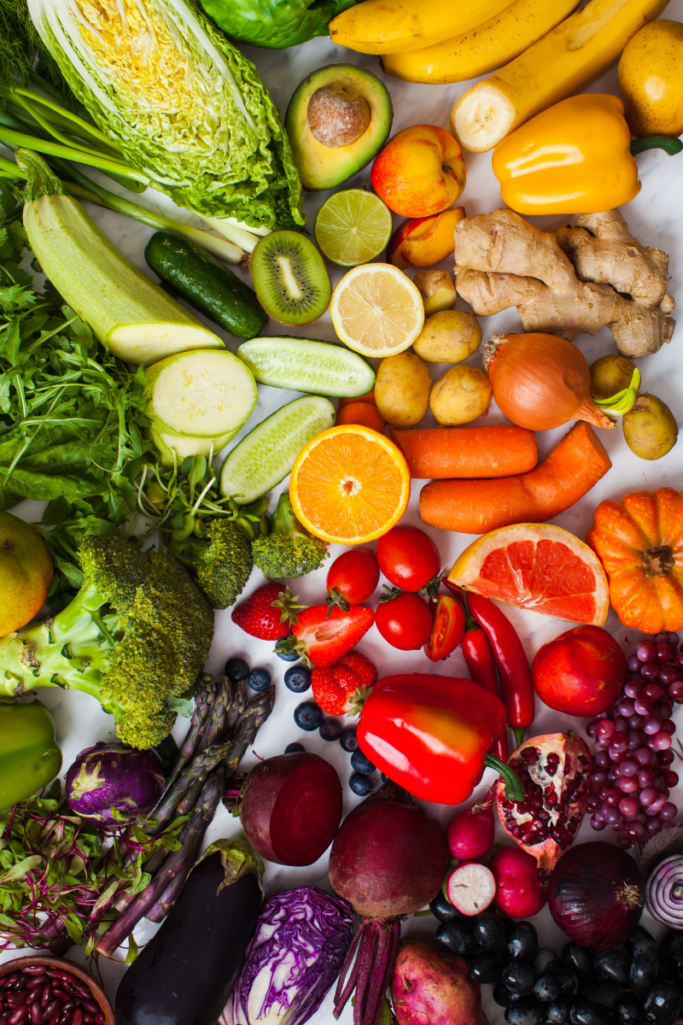
For the storage systems that keep a refreshed pantry organized through the rest of the season, New Year’s Pantry Refresh: 7 Storage Solutions for an Organized Kitchen is the infrastructure post that pairs with this consumables audit. And for the prep tools that help you actually use the fresh produce that inspired the pantry refresh in the first place, Farmers Market Haul, Meet Your Match: The Storage and Prep Tools That Keep Produce Fresh Longer is the natural next step.
Closing Thoughts
Spring Pantry Refresh
Toss first — the old spices, the open oils past their prime, the duplicates without a plan. Then restock deliberately: fresh olive oil in the right bottle size, single-origin spices that smell like something, a vinegar collection that actually gets used, grains and canned fish that make weeknight cooking faster rather than slower. The pantry that works is the one stocked with things you actually reach for. Spring is the right time to make sure it is.







At first when I read the article, I thought: well I don’t do that – storing grains, flour and pasta in specialty pieces, and then it hit me, of course I do that. I’ve just been doing so long I forgot, it is just automatic when I bring the items home from the store, I immediately store them: flours, sugars, nuts, they all go into Tupperware containers.
And when I open a bottle of just about anything, I have a permanent marker that I use to write the date opened on. Living alone it’s very important to do these steps because some items just don’t get used as often.