








Earth Day is the one day a year when sustainability gets the full cultural spotlight — and the most useful thing it can do is prompt not a dramatic overhaul but a small, honest audit. Not “am I living sustainably enough” (an unanswerable and anxiety-producing question) but “is there one thing I use regularly that I could replace with something better?” The swaps on this list are the ones that have stuck — for the Grit and Glam community and in practice — because they are genuinely equivalent to or better than what they replace, not sacrifices made in the name of principle. Sustainable choices that make daily life worse don’t actually get made. These do.
What You’ll Find In This Post:
- 7 Sustainable Swaps Worth Trying
- 1. The Clothes Storage Swap That Protects What You Own
- 2. The Kitchen Swap That Eliminates Paper Towel Waste
- 3. The Beauty Swap That Belongs in Every Bathroom
- 4. The Closet Swap That Makes the Wardrobe Look Better
- 5. The Cleaning Swap That Reduces Plastic Without Reducing Results
- 6. The Wardrobe Swap That Extends the Life of Everything You Own
- 7. The Home Swap That Reduces Single-Use Plastic at the Source
- Mini FAQ
- More Inspiration
7 Sustainable Swaps Worth Trying
1. The Clothes Storage Swap That Protects What You Own
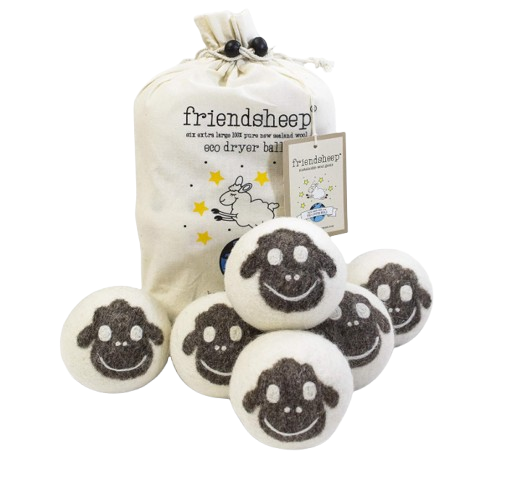
Wool Dryer Balls — Friendsheep Eco Dryer Balls, Set of 6
Dryer sheets are one of those household products that most people use without ever questioning — they’ve always been there, the box is always in the laundry room, and the alternative (static-y, slightly stiff laundry) sounds unappealing. Wool dryer balls are the swap that’s better in every practical dimension: they separate laundry during tumbling for faster, more even drying (reducing dryer time by 10–25%), they soften fabrics naturally without the synthetic fragrance and chemical coating that dryer sheets leave on clothing, and they’re reusable for hundreds of loads rather than single-use. For the delicate fabrics that make up most of the spring wardrobe — linen, silk, fine knits — the absence of dryer sheet coating is especially beneficial, as the coating can break down natural fibers over time. Add a few drops of essential oil to the balls for a light, natural scent if you miss the fragrance function.
2. The Kitchen Swap That Eliminates Paper Towel Waste
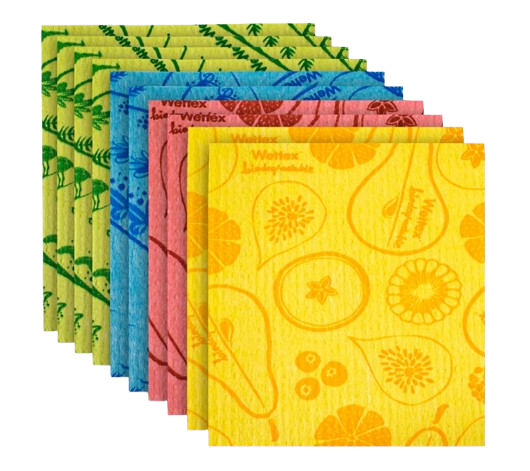
Swedish Dishcloths — Wettex Original, Set of 10
The average household goes through multiple rolls of paper towels per week — an entirely unnecessary expenditure given that a Swedish dishcloth does everything a paper towel does, absorbs significantly more liquid, is machine washable, and composts at the end of its life rather than going to landfill. The Wettex Original Swedish dishcloths are the standard: made from a cellulose-cotton blend, they replace the paper towel for surface wiping, spill absorption, and dish drying. Wash them in the dishwasher or washing machine, hang dry, and they last for months of daily use. A set of ten means you always have a clean one available while others are in the wash. The texture is different from paper towels — slightly more substantial — which most people find they prefer within a week of the swap.
3. The Beauty Swap That Belongs in Every Bathroom
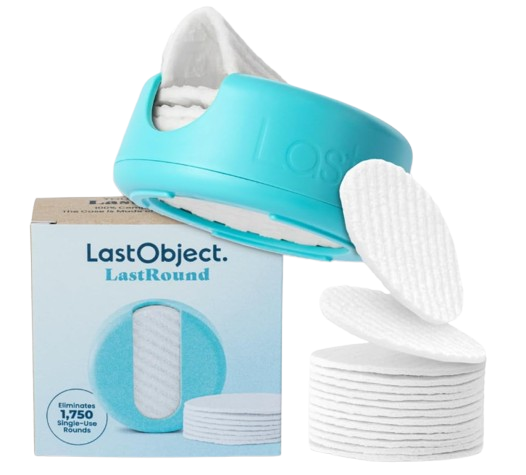
Reusable Makeup Remover Pads — LastObject LastRound
Disposable cotton rounds are one of the highest-volume single-use items in a beauty routine — most people use two to five per day, which adds up quickly in both cost and waste. Reusable rounds made from organic cotton, bamboo, or the LastObject microfiber construction remove makeup, apply toner, and clean as effectively as disposable versions, wash in a mesh laundry bag, and last for hundreds of uses. The LastRound set specifically is designed to sit in a self-contained round holder that replaces the cotton pad jar on the bathroom counter — same form factor, zero waste. For the woman who has already made clean beauty swaps, the reusable round is the next logical step in the bathroom’s environmental footprint.
4. The Closet Swap That Makes the Wardrobe Look Better
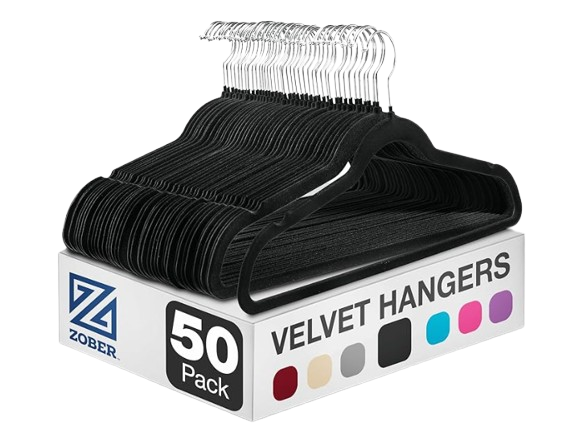
Velvet Non-Slip Hangers — Set of 50
This is the sustainable swap that’s also the most effective closet organization upgrade available at any price: replacing wire, plastic, or mismatched hangers with uniform velvet non-slip hangers. The environmental argument is straightforward — wire hangers are single-use in practice (they distort, they tangle, they’re difficult to reuse), and plastic hangers take hundreds of years to degrade. Velvet hangers last for years of daily use, prevent garment slippage, and because they’re significantly thinner than plastic hangers, they double the hanging capacity of most closets without adding a single inch of rod. The visual transformation of a closet shifted to uniform hangers is immediate and considerable. This is the swap where sustainability and aesthetics align entirely.
5. The Cleaning Swap That Reduces Plastic Without Reducing Results
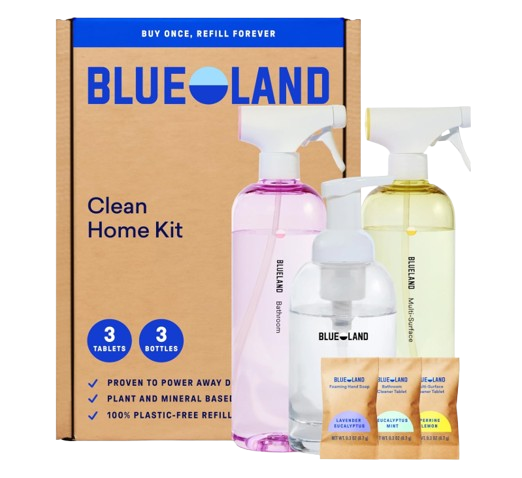
Blueland Clean Essentials Kit — Starter Set
Cleaning products are among the highest-plastic-waste items in any household — a new bottle purchased for every room every few weeks, mostly water with a small percentage of active ingredients, shipped in single-use plastic. Blueland’s tablet-based system sends concentrated cleaning tablets that dissolve in water in a reusable bottle — the bottle is purchased once, the tablets are refilled indefinitely, and the shipping footprint drops dramatically because you’re sending concentrated tablets rather than liquid-filled bottles. The formulas cover bathroom, kitchen, glass, and multi-surface cleaning and are EPA Safer Choice certified. The performance is equivalent to the liquid versions for routine cleaning. The Essentials Kit is the starter that covers the full household in one purchase.
6. The Wardrobe Swap That Extends the Life of Everything You Own
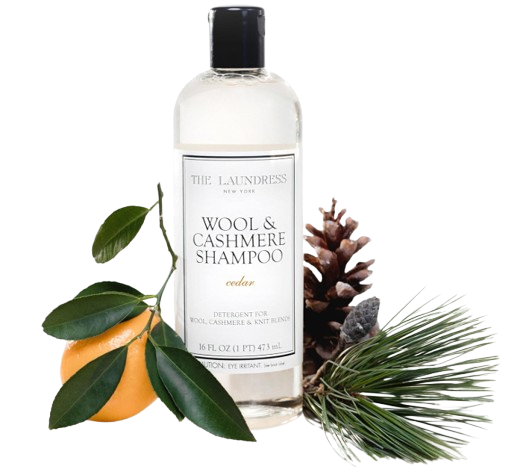
The Laundress Wool & Cashmere Shampoo
The most sustainable item of clothing is the one you already own — and the most sustainable wardrobe practice is caring properly for what you have so it lasts years longer than it would with improper laundering. The Laundress Wool & Cashmere Shampoo is the product that makes washing fine knits at home safe and consistent: a pH-balanced, fiber-protective formula that removes odor and refreshes wool and cashmere without the agitation damage that regular detergent causes. Hand-washing a cashmere sweater with this product rather than dry cleaning extends its life, reduces dry cleaning chemicals, and costs a fraction of what dry cleaning does per item. For the spring wardrobe transition — cashmere and merino going into storage for the season — washing with this before storage rather than sending to the dry cleaner is the sustainable swap that’s also significantly less expensive.
7. The Home Swap That Reduces Single-Use Plastic at the Source
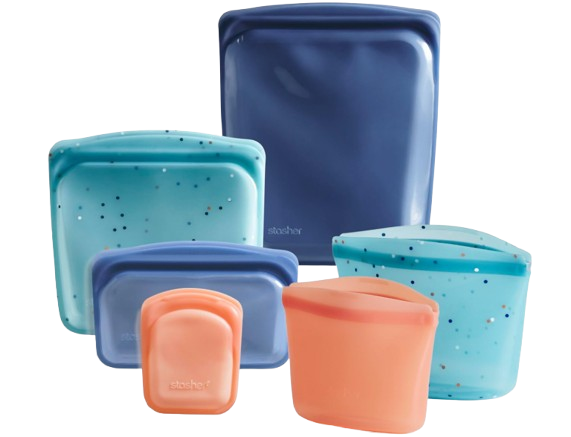
Stasher Reusable Silicone Storage Bags — Starter Set
Zip-lock bags are used once and thrown away in most households — for snacks, for produce, for small items that need containing, for leftovers. Stasher reusable silicone bags are the direct replacement: the same sealing mechanism, the same range of sizes, freezer and dishwasher safe, oven safe to 400°F, and rated for three thousand uses before replacement. The initial investment is higher than a box of zip-locks, and the return period is measured in months rather than days. The starter set covers the most common use cases — sandwich size, snack size, half-gallon — and once the habit is established (bags go in the dishwasher, come out clean, go back in the drawer), the single-use plastic bags simply stop being purchased. This is the swap with the clearest before-and-after on plastic waste reduction, visible in the kitchen drawer within weeks.
The Framework for Sustainable Swaps That Actually Stick
Replace at end of life, not all at once. The most common sustainable swap mistake is replacing everything immediately — buying reusable rounds while still having a full container of disposable ones, purchasing Swedish dishcloths while still having three rolls of paper towels. This is both wasteful (disposing of the existing supply) and financially burdensome. Replace each item when it runs out, and the swap becomes a natural transition rather than a disruptive overhaul.
Performance has to be equivalent. A sustainable swap that requires compromise — that cleans less effectively, stores less conveniently, or demands more time — won’t be maintained. Every swap on this list was included specifically because it either matches or improves on the product it replaces. That is the bar worth holding.
Small and consistent beats grand and intermittent. Seven small swaps maintained over years have more environmental impact than a dramatic sustainability overhaul that reverts within six months. The point is not to make the most ambitious commitment on Earth Day — it’s to make one or two additional commitments that you’ll actually keep.
Buy less, buy better. The single most sustainable wardrobe choice is buying fewer, higher-quality items and keeping them longer. The Laundress sweater wash and the velvet hangers both serve this principle — they protect what you already own rather than requiring replacement.
Mini FAQ
Yes — they’re appropriate for all fabrics including delicates, wool, and synthetics. For items that shouldn’t go in the dryer regardless (hand-wash only), the dryer ball doesn’t change that guidance. For everything else, they’re gentler than both dryer sheets and tumbling without them.
For routine cleaning — daily countertop and surface maintenance — yes. For heavily soiled surfaces or specific tasks like the grout cleaning covered in yesterday’s bathroom deep clean post, a targeted product (CLR for mineral deposits, a grout foam) remains the more effective choice. Blueland is the routine cleaning replacement; specialty cleaners still have their role.
Placement is everything. Put the Stasher bags where the zip-locks were — in the same drawer, in the same spot. When the reusable option is the first one you reach for, it becomes the default. A zip-lock box visible on the counter signals that the zip-lock is still the expected choice.
For cashmere and fine merino specifically, yes — the pH balance is calibrated to protect protein fibers in a way that dish soap and other home remedies are not. For standard wool items that aren’t high-value, a less expensive wool wash works adequately. For the pieces worth keeping for decades, The Laundress is the appropriate product.
The velvet hangers — they require no behavior change, the sustainable benefit is immediate, and the visual result is so satisfying that the closet itself becomes a reinforcement. Buy a pack of 50 this week and start with one closet section.
✨ Beth’s Take: Earth Day as an Audit, Not a Verdict
I have made approximately none of the dramatic sustainability commitments that feel like they’re expected on Earth Day — no capsule wardrobe of ten items, no zero-waste household, no off-grid aspirations. What I have done is make the seven swaps on this list and a handful of others like them, consistently, over several years. And the cumulative effect of consistent small swaps turns out to be significant — both in terms of actual waste reduction and in terms of how the home feels to live in.
The velvet hangers were the first. The closet looked better, the clothes stayed on the hangers, and I stopped buying the same wire ones over and over. The dryer balls followed when the dryer sheets ran out — I didn’t replace them, and I’ve never noticed the absence. The Swedish dishcloths replaced the paper towel roll on the counter and the paper towel roll stopped being purchased. None of these required a lifestyle change. They required a single decision followed by a habit.
The Laundress is the one that changed how I think about my wardrobe. When I wash my own cashmere instead of sending it to the dry cleaner, I think about whether I actually want to keep it — the three minutes of care becomes a small, regular reckoning with what earns its place. That is sustainability and the Weekend Closet Refresh philosophy applied simultaneously. Earth Day is the prompt to audit. The audits that produce one or two additional swaps are the ones worth doing.
More Inspiration
For the wardrobe side of sustainable living — buying less, keeping longer, organizing better — The Weekend Closet Refresh That’ll Make You Excited to Get Dressed in the Mornings covers the editing and maintaining philosophy that is the foundation of a sustainable approach to getting dressed. And for the beauty side of the equation, The Clean Beauty Swaps I’ve Actually Made (And Why I’m Never Going Back!) is the companion post for the bathroom equivalent of what this list does for the home and closet.
Closing Thoughts
Make a Few Swaps
Pick the one that feels most immediately useful and start there. The velvet hangers if the closet needs it. The Swedish dishcloths if the paper towel roll is almost empty. The Stasher bags the next time you run out of zip-locks. The dryer balls the next time you buy laundry supplies. No dramatic overhaul. No guilt about what you haven’t done yet. Just one more thing, done consistently, that makes daily life slightly better and slightly more considered. That is what Earth Day is actually for.