





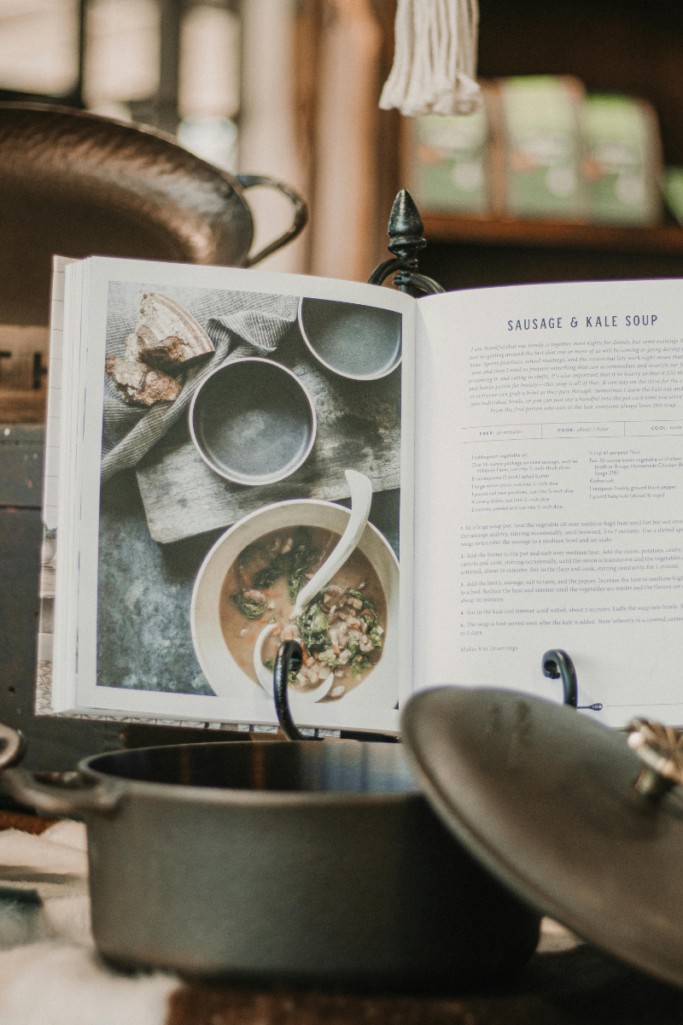
Strategic cookbook collecting means keeping books you actually reference, letting go of those you don’t, and being intentional about new additions. Start with comprehensive technique books, add specialized titles based on real cooking habits, and resist beautiful books that just take up space.
Rethinking Your Cookbook Collection (Or Building One from Scratch)
I’m looking at my cookbook shelf right now—two full shelves of books I’ve accumulated over thirty years. Some are stained, dog-eared, and held together with love and possibly dried pasta sauce. Others are pristine, their spines uncracked, purchased with good intentions that never materialized into actual cooking.
If you’re like me, you probably own cookbooks you haven’t opened in years alongside the three or four you reach for constantly. Or maybe you’re helping a daughter, son, or grandchild set up their first kitchen and wondering which cookbooks are actually worth the investment versus which ones just look impressive on a shelf.Here’s what I’ve learned after decades of cookbook collecting: you don’t need fifty books. You need the right books for how you actually cook. Whether you’re refining your own collection or guiding the next generation, this strategic approach will save money, shelf space, and the guilt of unused cookbooks gathering dust.
The Foundation: Start Here (Whether It’s Your First or Your Fiftieth)
If I could only keep one category of cookbooks, it would be comprehensive technique-focused books that teach you HOW to cook, not just what to make for Tuesday dinner.
The Essential First Book: Choose Your Foundation
For the Scientifically Curious
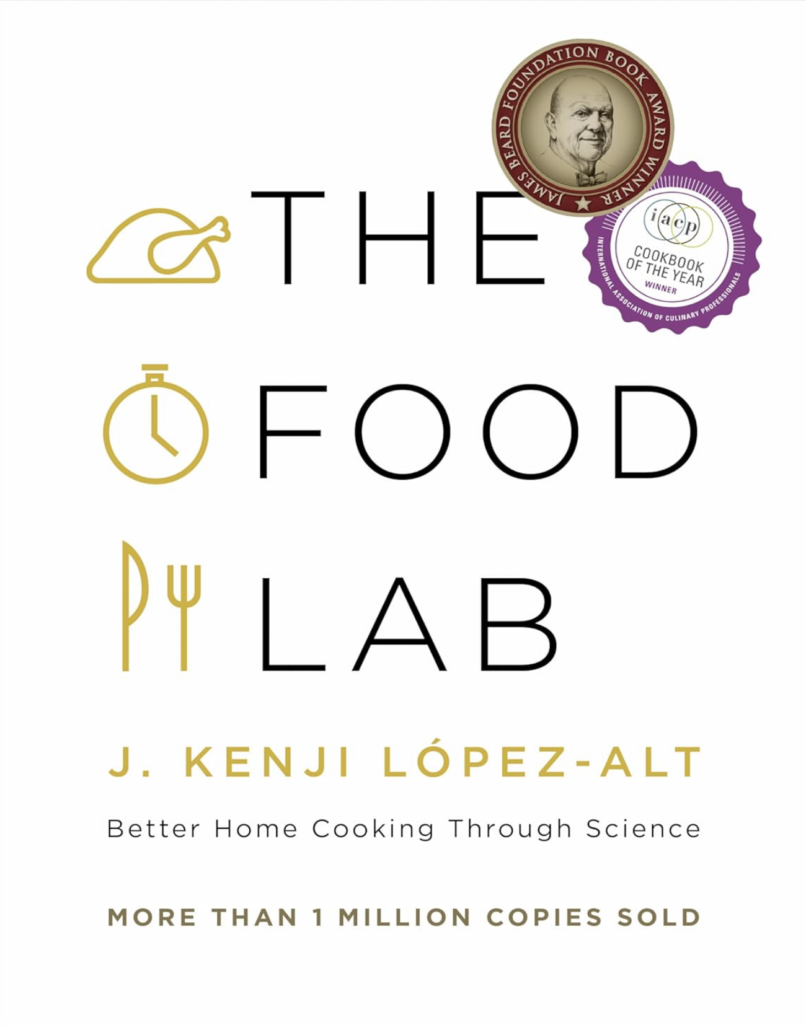
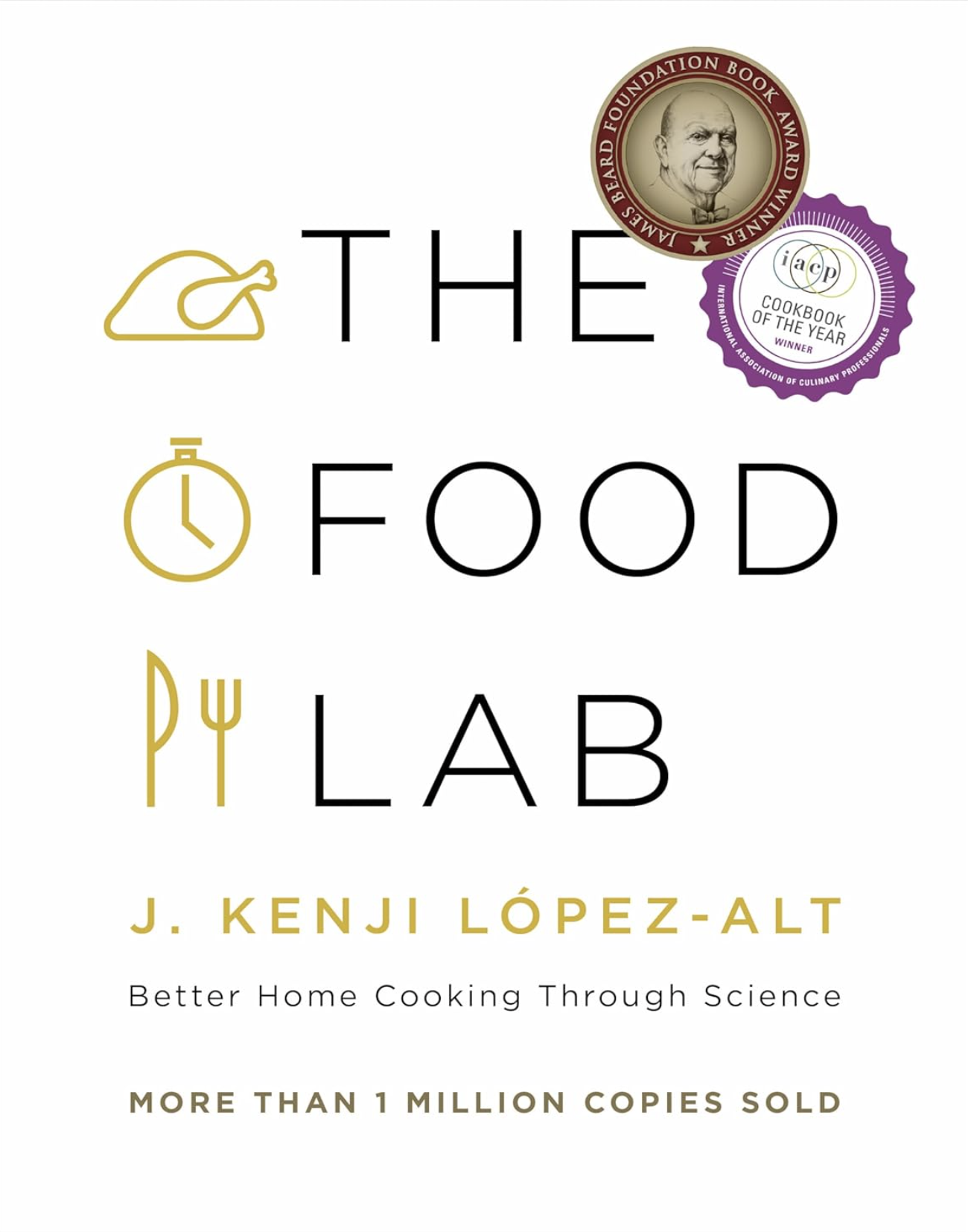
The Food Lab by J. Kenji López-Alt
This 900-page encyclopedia explains the WHY behind cooking methods—why brining makes chicken juicy, why searing doesn’t actually “seal in juices,” why your pasta water should taste like the sea. Understanding the science makes you a better cook across everything you make, not just Kenji’s recipes.
Why it’s foundational:
After reading this, you stop following recipes blindly and start understanding principles. You can troubleshoot when things go wrong, adjust recipes to your taste, and improvise with confidence. It’s the cookbook that makes you actually know what you’re doing.
Who this is perfect for:
- Anyone who wants to understand cooking, not just execute recipes
- The person who asks “but why?” about everything
- Someone setting up their first serious kitchen
- The experienced cook ready to level up their technique
What you’ll reference constantly:
Perfect scrambled eggs, foolproof steak, the best roasted vegetables, why your cookies spread too much, how to rescue broken sauces
For the Practical Home Cook
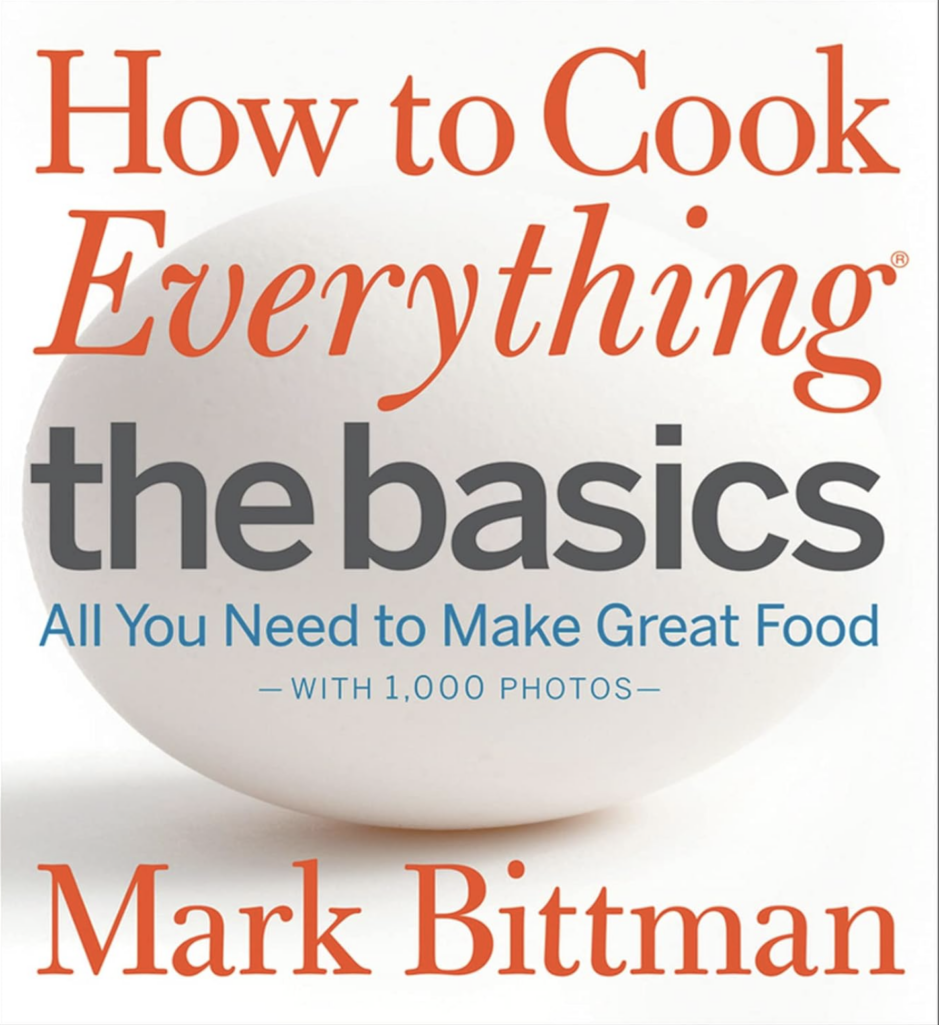
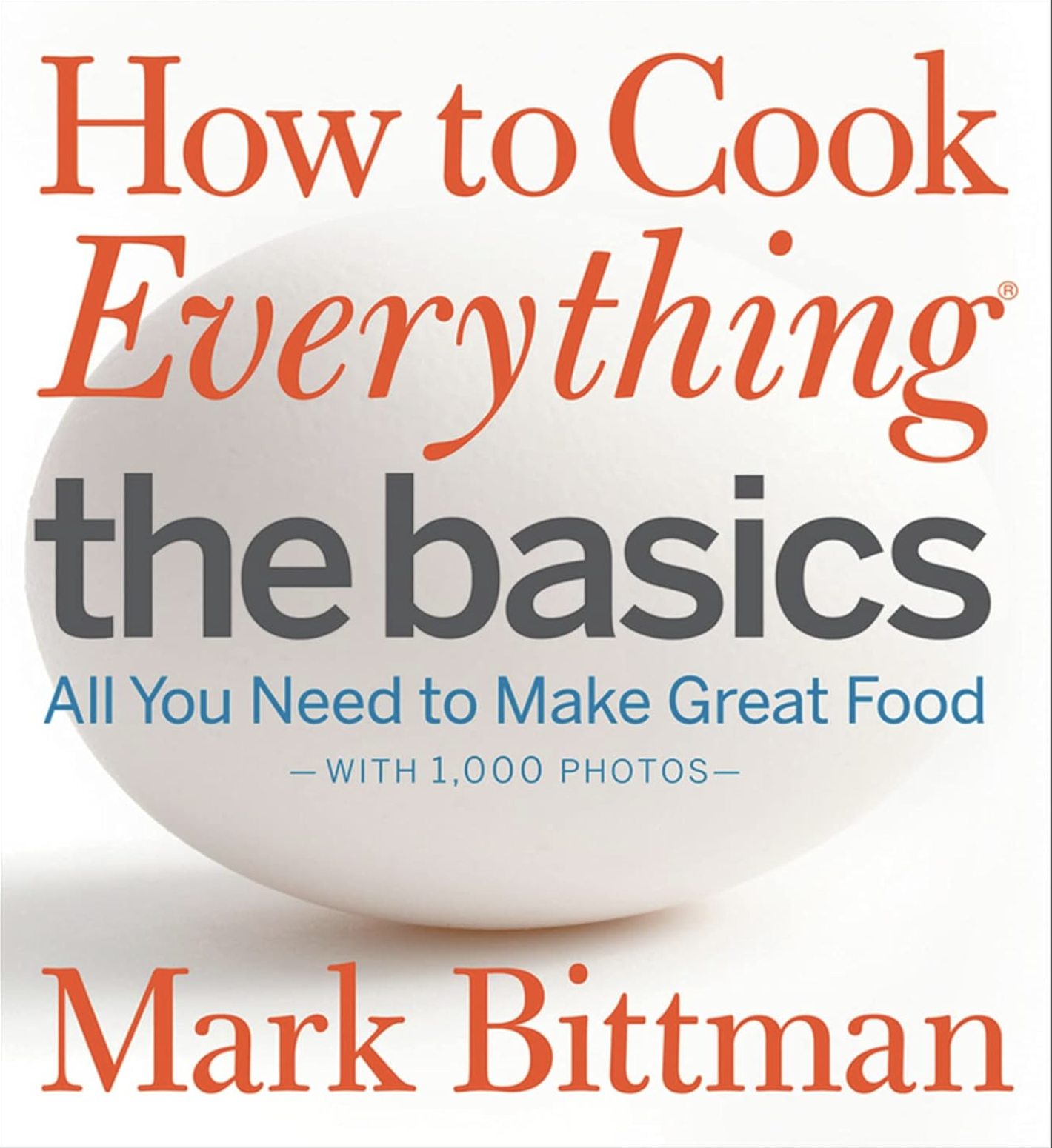
How to Cook Everything by Mark Bittman
If The Food Lab is culinary school, this is your practical daily reference. Over 2,000 recipes covering literally everything—breakfast through dessert, basics through ambitious. It assumes you’re a competent adult who can follow directions but doesn’t assume you went to culinary school.
Why it’s foundational:
When you think “I want to make [blank] but have no idea where to start,” this book has it. Roasted chicken? It’s here. Homemade bread? Covered. Basic vinaigrette? Multiple versions. It’s the cookbook equivalent of having your most competent friend in the kitchen with you.
Who this is perfect for:
- Anyone building a kitchen from scratch (college graduate, newly divorced, downsizing)
- Home cooks who want one reliable reference for everything
- People who get frustrated by overly complicated recipes with obscure ingredients
- Gift-giving for practical people who’ll actually use it
What you’ll reference constantly:
Basic cooking techniques, simple weeknight recipes, “how do I cook this vegetable?” questions, last-minute dinner solutions
The Second Book: Add Understanding
Once you have a comprehensive recipe reference, add a book that teaches cooking philosophy and technique.
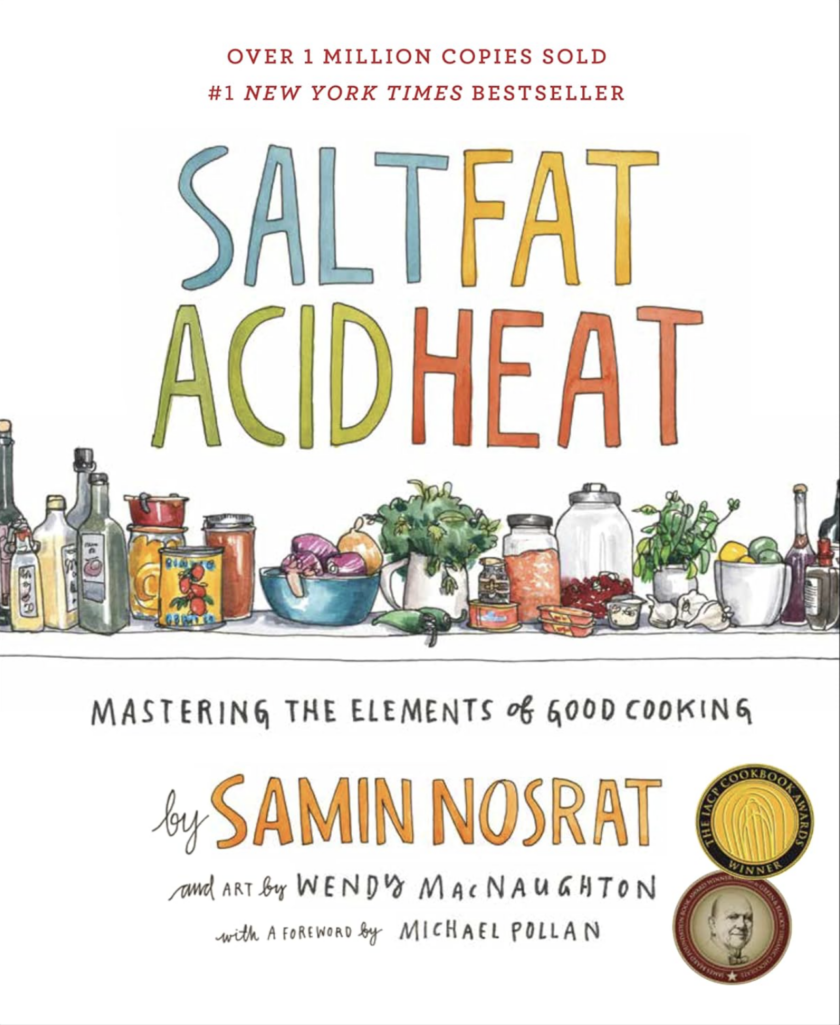
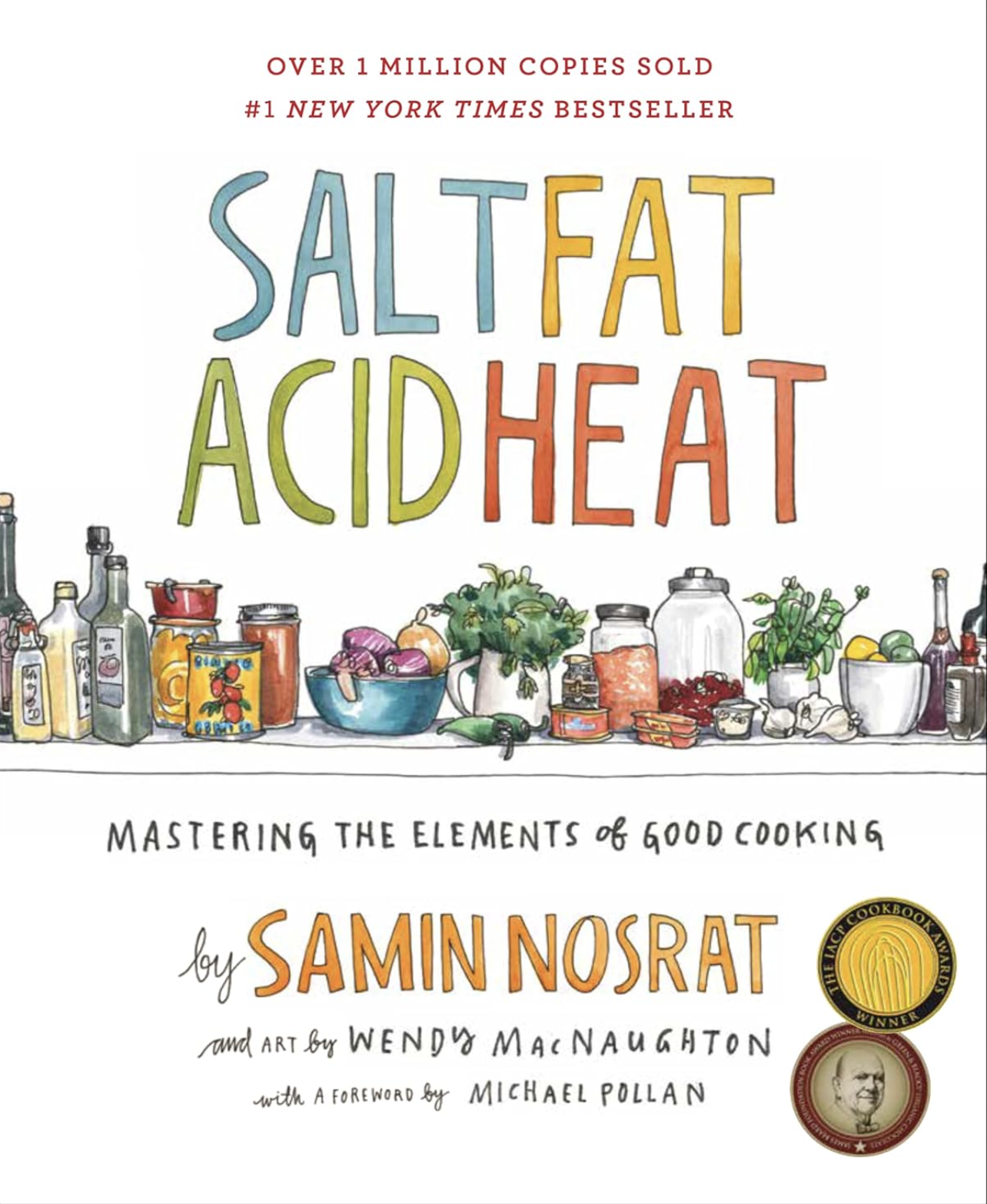
Salt, Fat, Acid, Heat by Samin Nosrat
This isn’t really a cookbook—it’s a masterclass in the four elements that make food taste good. Samin teaches you to balance flavors, understand when and why to add salt, how fat carries flavor, how acid brightens, and how heat transforms. With these principles, you can make anything taste better.
Why this comes second:
Your foundational book gives you recipes and methods. This book gives you the underlying framework that makes you a truly good cook. You stop needing recipes for everything because you understand how to build flavors.
How these two books work together:
The Food Lab or How to Cook Everything tells you HOW to roast chicken. Salt, Fat, Acid, Heat tells you how to make that chicken taste incredible by understanding seasoning, when to add fat, how acid balances richness, and how heat affects texture. Together, they’re culinary education.
What you’ll learn:
- When to salt (spoiler: earlier and more often than you think)
- How fat makes vegetables taste better
- Why your food tastes flat (probably needs acid)
- How to taste and adjust as you cook
Who needs this:
- Anyone whose food tastes “fine but not great”
- Cooks ready to stop following recipes exactly
- People who want to understand cooking intuitively
- The next generation learning to feed themselves well
The Third Book: Choose Your Direction
Now you have the foundation (comprehensive recipes) and understanding (technique and philosophy). The third book should match how you actually cook or want to cook.
For Quick Weeknight Cooking
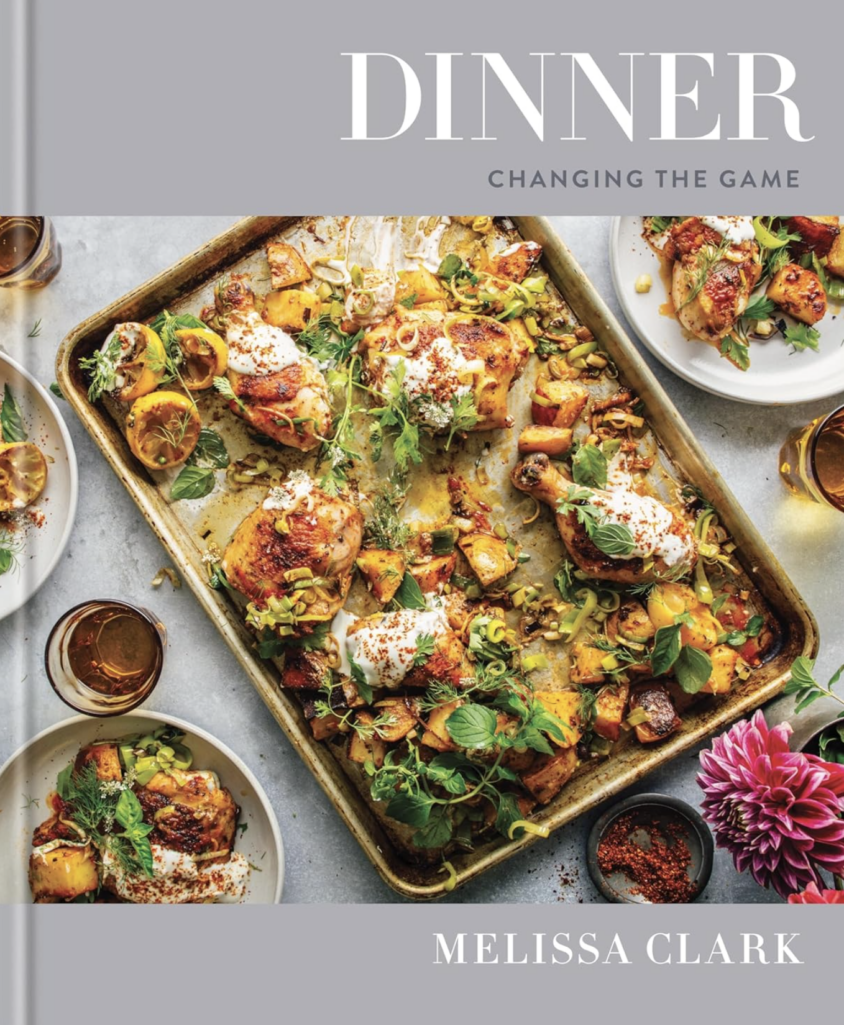
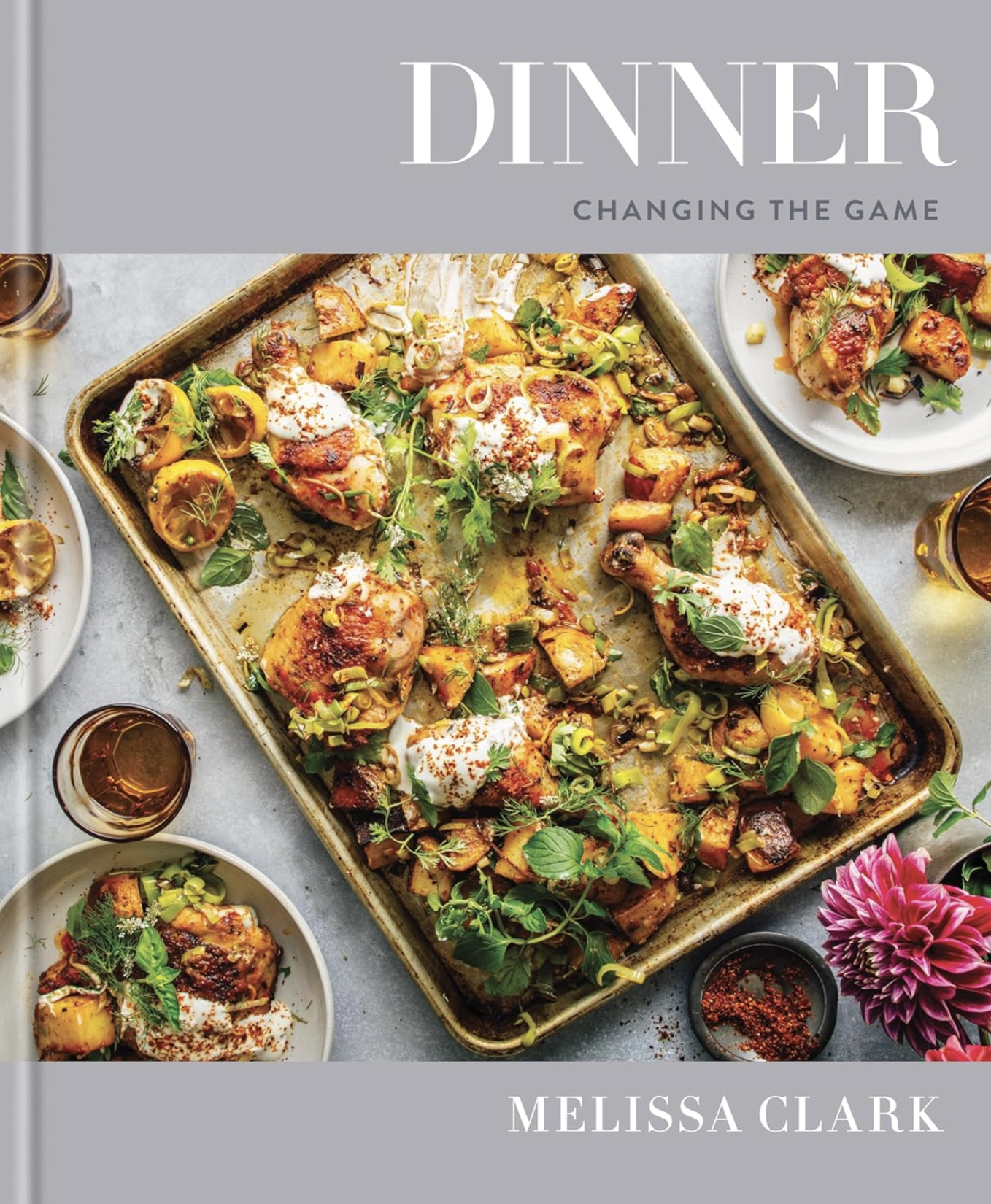
Dinner: Changing the Game by Melissa Clark
If your reality is “I need dinner on the table in 45 minutes max,” this is your book. Melissa Clark is the New York Times food columnist who understands that home cooks are busy, tired, and hungry. Her recipes are sophisticated enough to be interesting but realistic about timing and ingredients.
Why this fills a specific need:
Your foundational books are comprehensive but sometimes overwhelming when you just need Tuesday dinner. This book is designed for “I’m home from work, what can I make quickly that we’ll actually enjoy?”
What makes it different from your foundation:
Focused specifically on dinner, realistic timing (when it says 30 minutes, it means 30 minutes), ingredients you can find at regular grocery stores, recipes designed for busy weeknights not weekend projects.
For Entertaining Without Stress
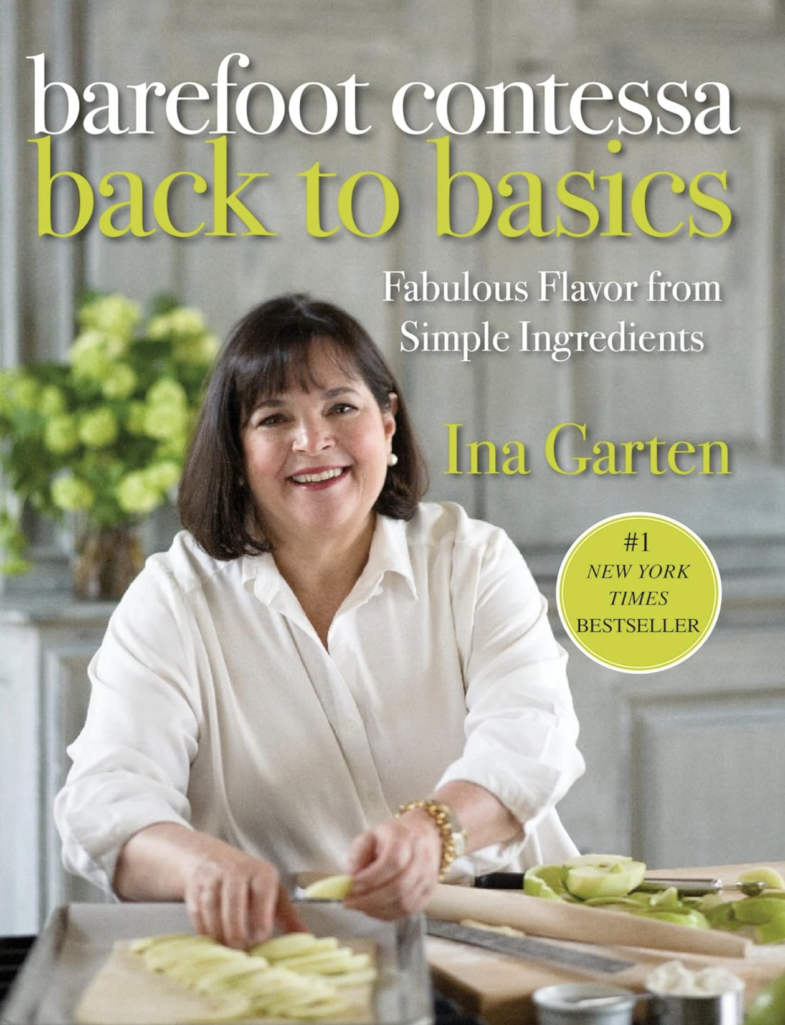
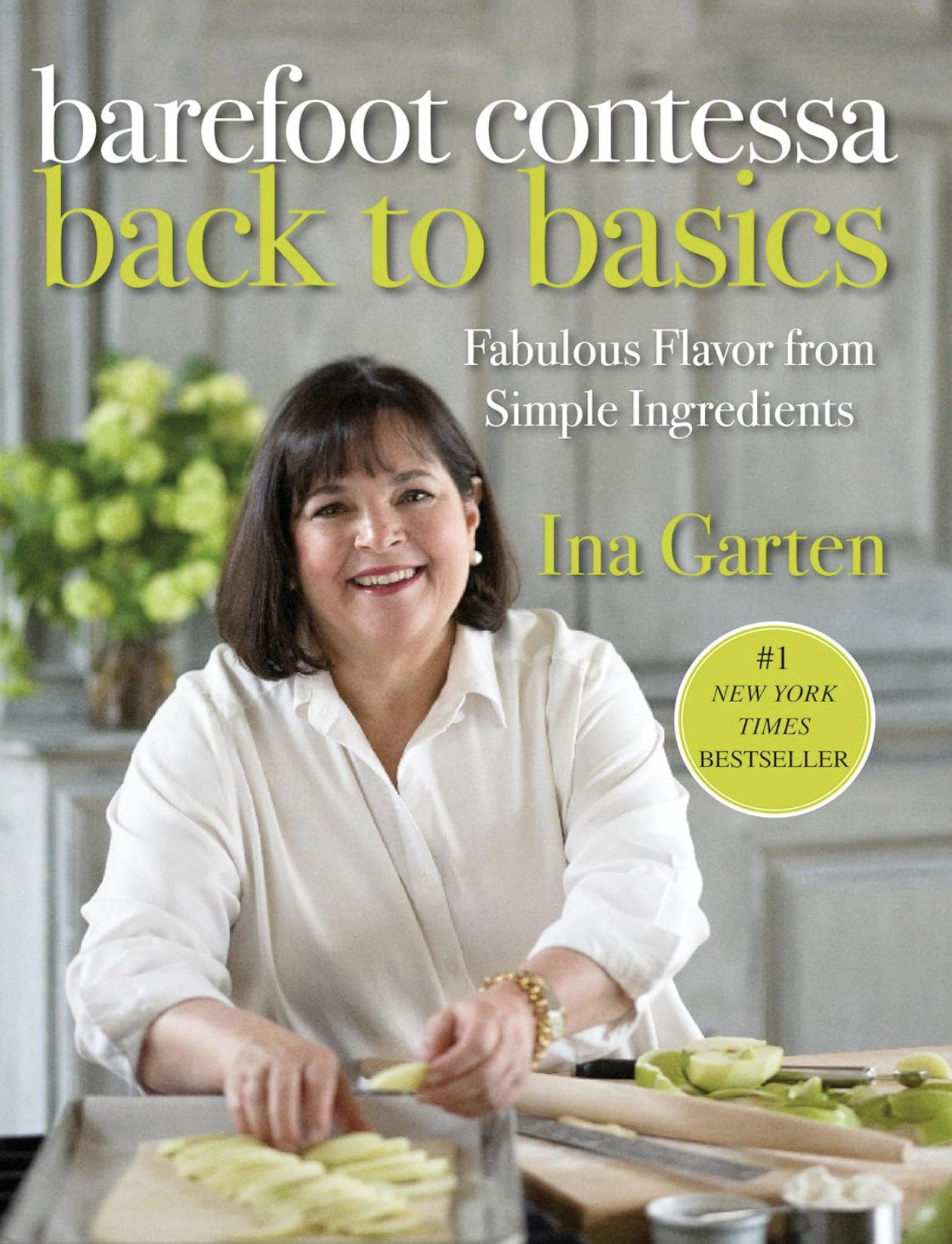
Barefoot Contessa: Back to Basics by Ina Garten
If you’re the person who hosts family dinners, book club, or just enjoys having people over, Ina is your guide. Her recipes are designed to make you look like an effortless host while actually being strategic about what can be made ahead.
Why this fills a specific need:
Entertaining shouldn’t mean martyring yourself in the kitchen while guests sit in the other room. Ina’s recipes are impressive but include clear make-ahead instructions and realistic timing. You can actually enjoy your own party.
What makes it different:
These aren’t weeknight recipes—they’re special occasion food that’s still approachable. The recipes work for dinner parties, holiday meals, bringing dishes to gatherings. Everything is tested exhaustively, so you know it’ll work even under pressure.
For Learning to Bake
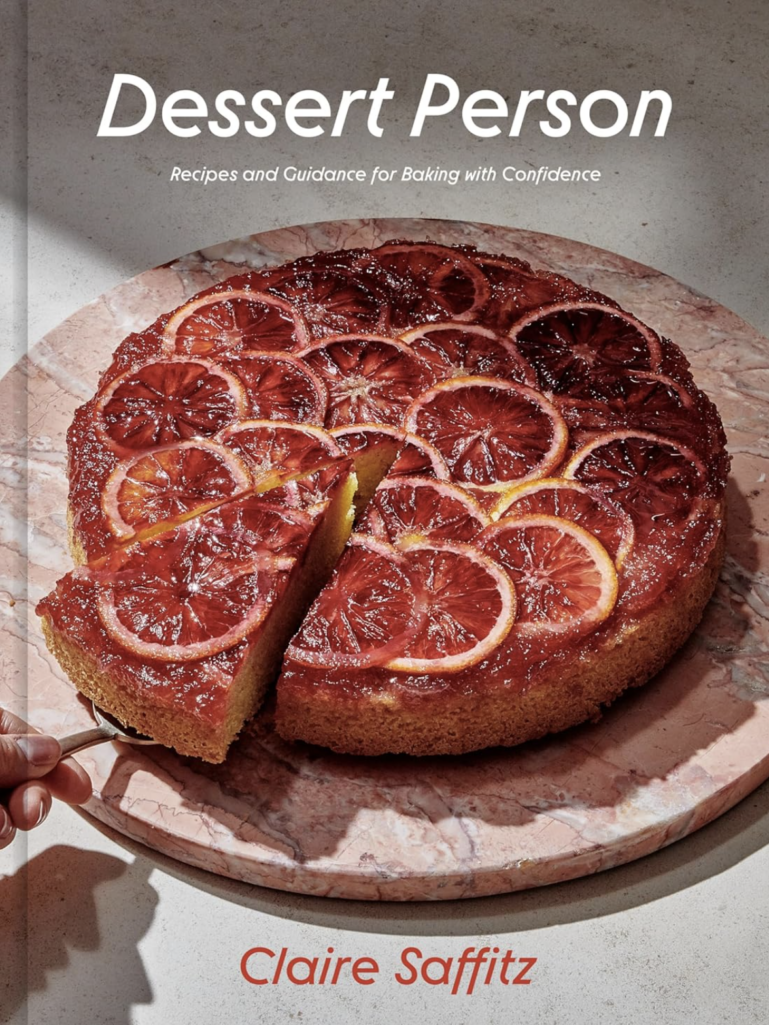
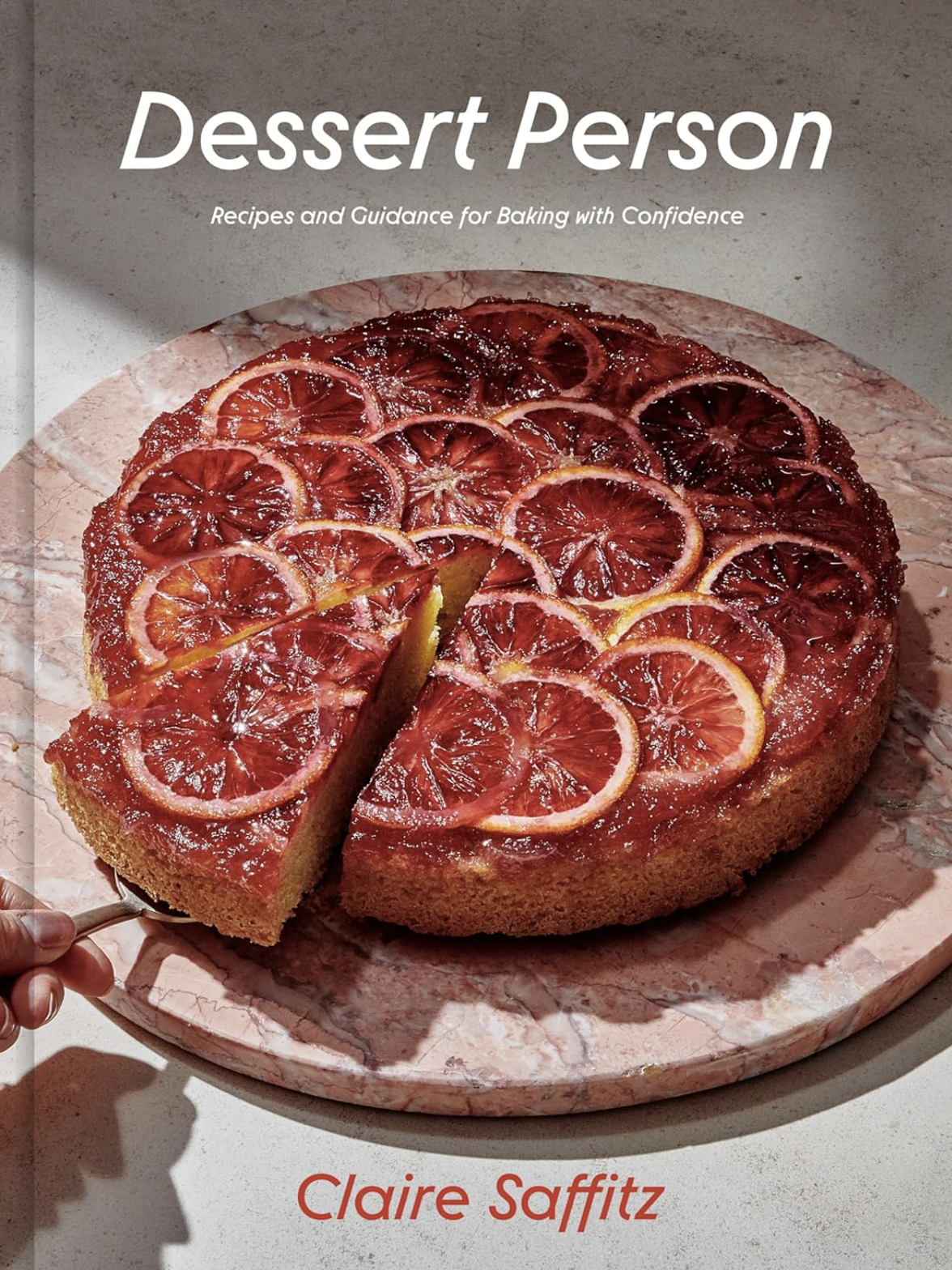
Dessert Person by Claire Saffitz
If you want to become a better baker or learn from scratch, Claire Saffitz is the teacher you want. She explains WHY techniques matter, what’s happening chemically, and how to troubleshoot. Her recipes are organized by difficulty, so you can start simple and build skills.
Why this fills a specific need:
Baking is science, and most baking books just give you recipes without explaining principles. Claire teaches you to understand what you’re doing, which makes you capable of more than just following her recipes exactly.
What makes it different:
Organized by difficulty (start with “Very Easy,” progress to “Very Challenging”), explains techniques clearly, includes weight measurements (crucial for baking), and Claire’s personality makes it actually fun to read.
For Healthy, Vegetable-Forward Cooking
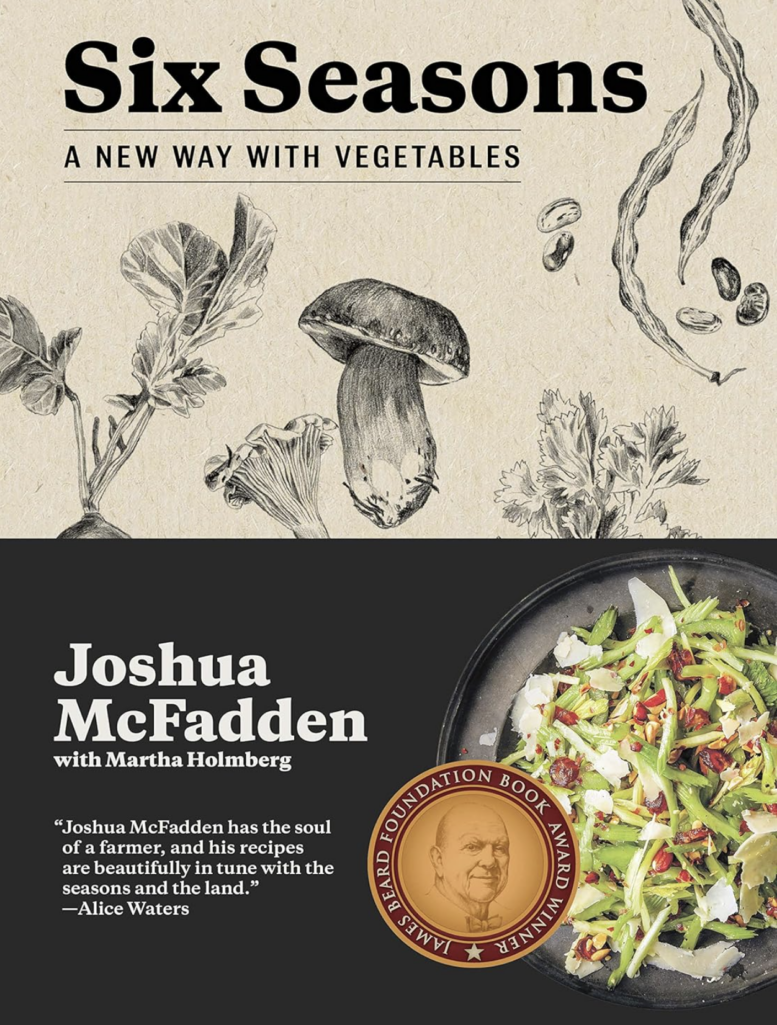
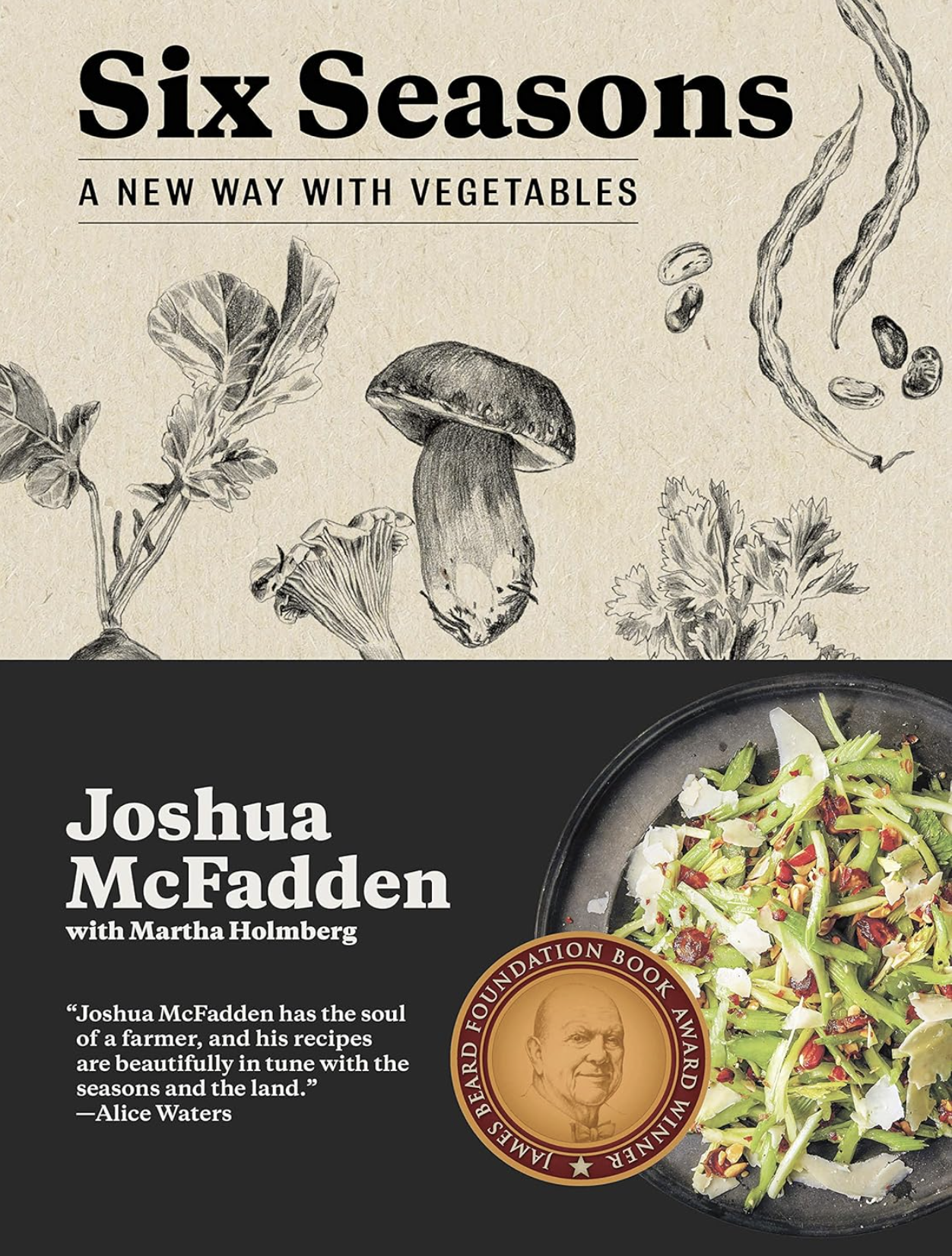
Six Seasons by Joshua McFadden
If you’re trying to eat more vegetables or just want to make produce the star, this book organizes recipes by what’s actually in season. It’s not vegetarian (though many recipes are), it’s just vegetable-focused with an emphasis on making plants taste incredible.
Why this fills a specific need:
Most cookbooks treat vegetables as sides. This book makes them the main event with preparations that highlight seasonal produce at its peak. It’s the book for “I bought beautiful vegetables at the farmers market, now what?”
What makes it different:
Organized by season (not ingredient or meal type), teaches you to cook vegetables multiple ways, includes grains and proteins as components not centerpieces. The philosophy is “vegetables first, everything else supports them.”
Books Four and Five: Fill Your Personal Gaps
At this point, you have comprehensive reference, technique understanding, and a book matching your primary cooking style. The next additions should be specific to YOUR gaps or passions.
Specific Cuisine You Love
If you cook Italian food weekly, invest in a serious Italian cookbook. If you’re obsessed with Thai flavors, get a proper Thai cookbook. But be specific—one excellent book on a cuisine you actually cook beats five mediocre books on cuisines you’re “interested in.”
✨Beth’s Picks by Cuisine
Italian
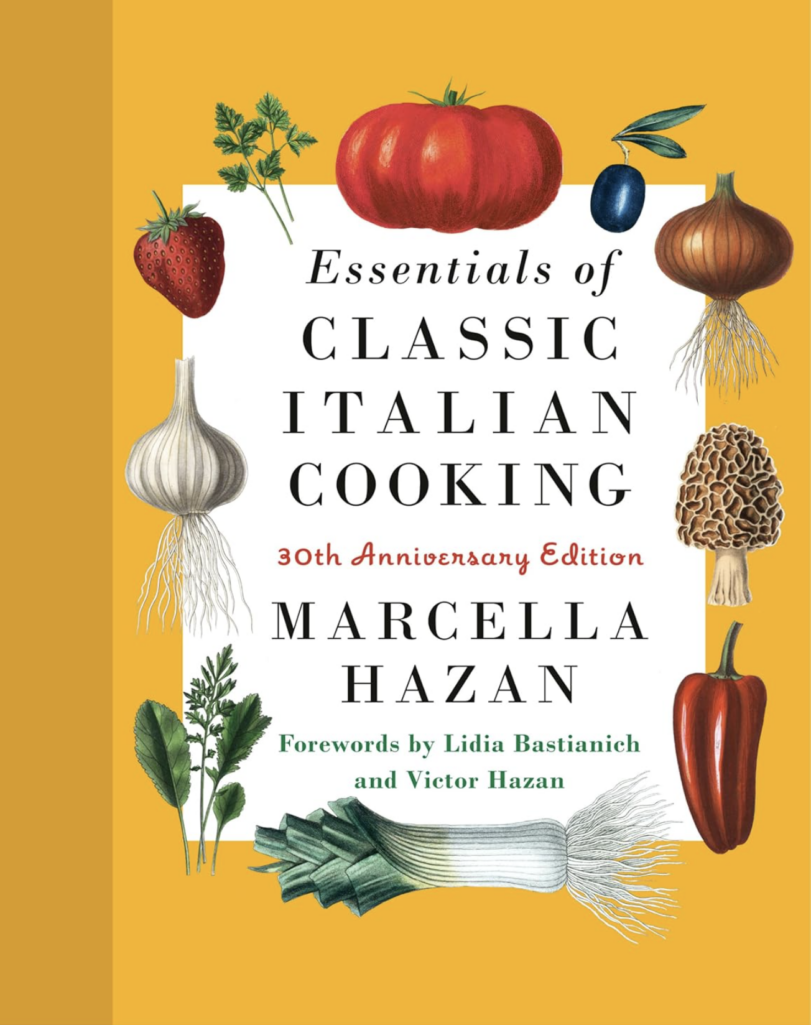
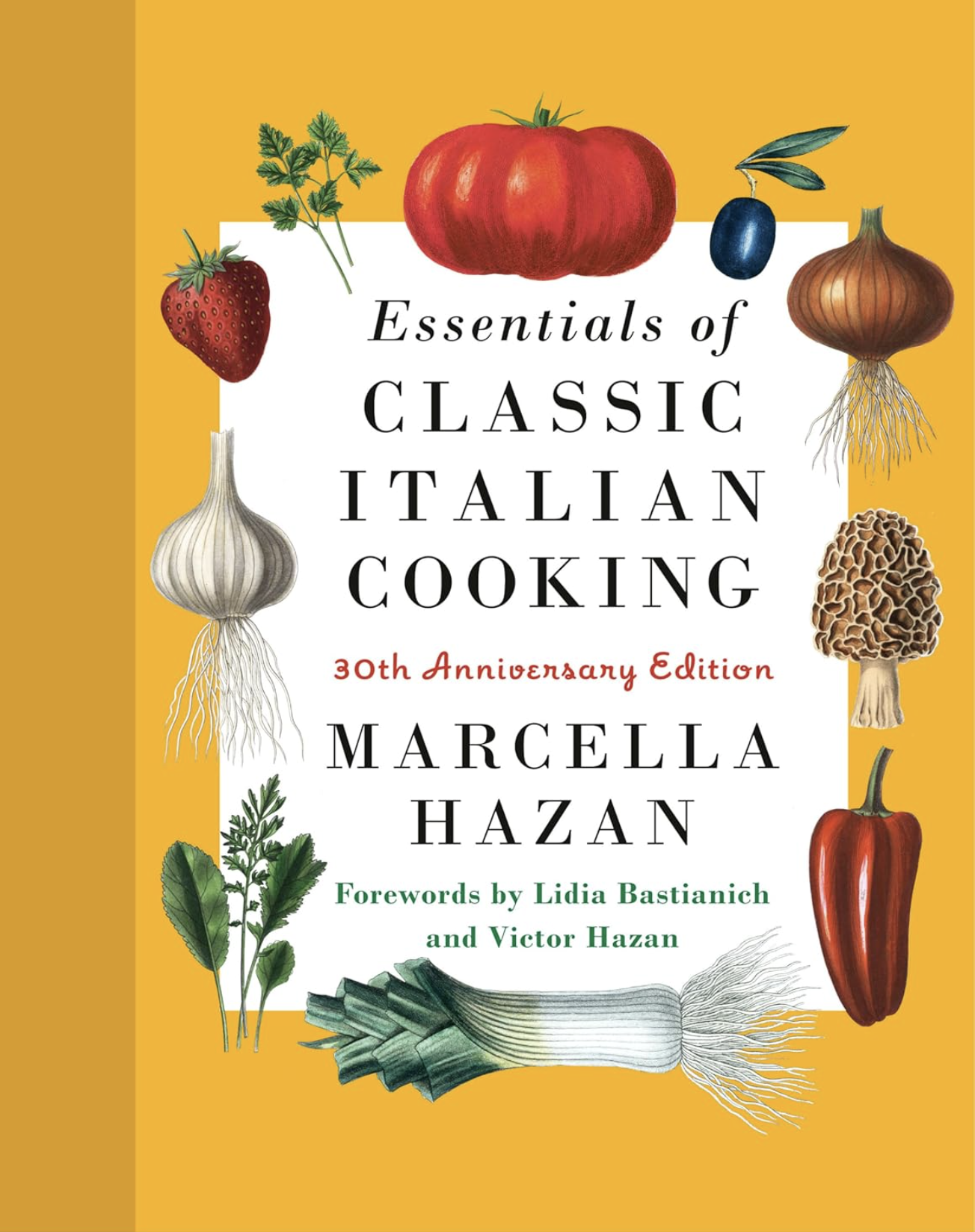
Essentials of Classic Italian Cooking by Marcella Hazan
The definitive guide to Italian home cooking from the woman who taught Americans to cook Italian food properly. It’s comprehensive, authoritative, and teaches technique alongside recipes.
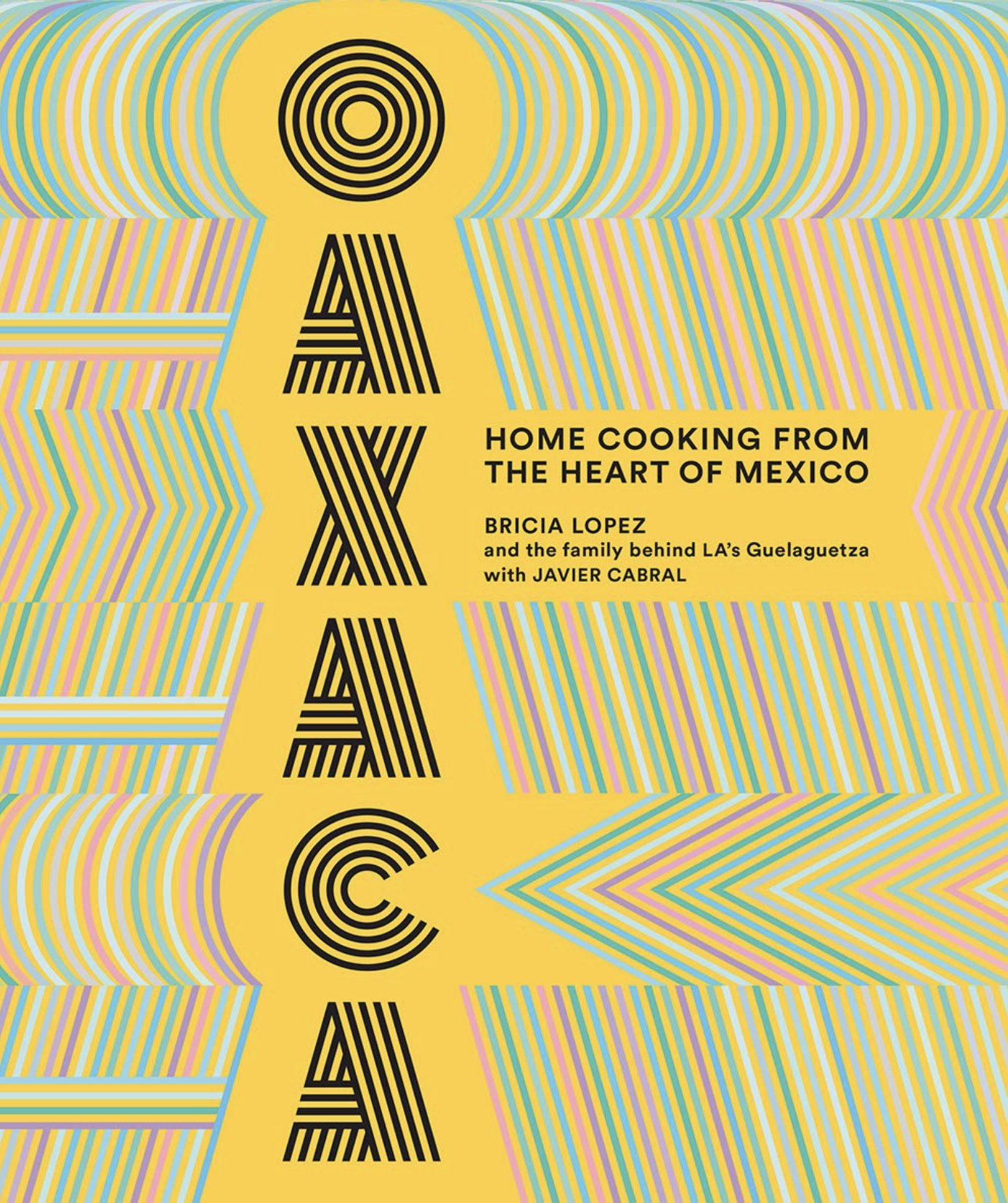
Mexican
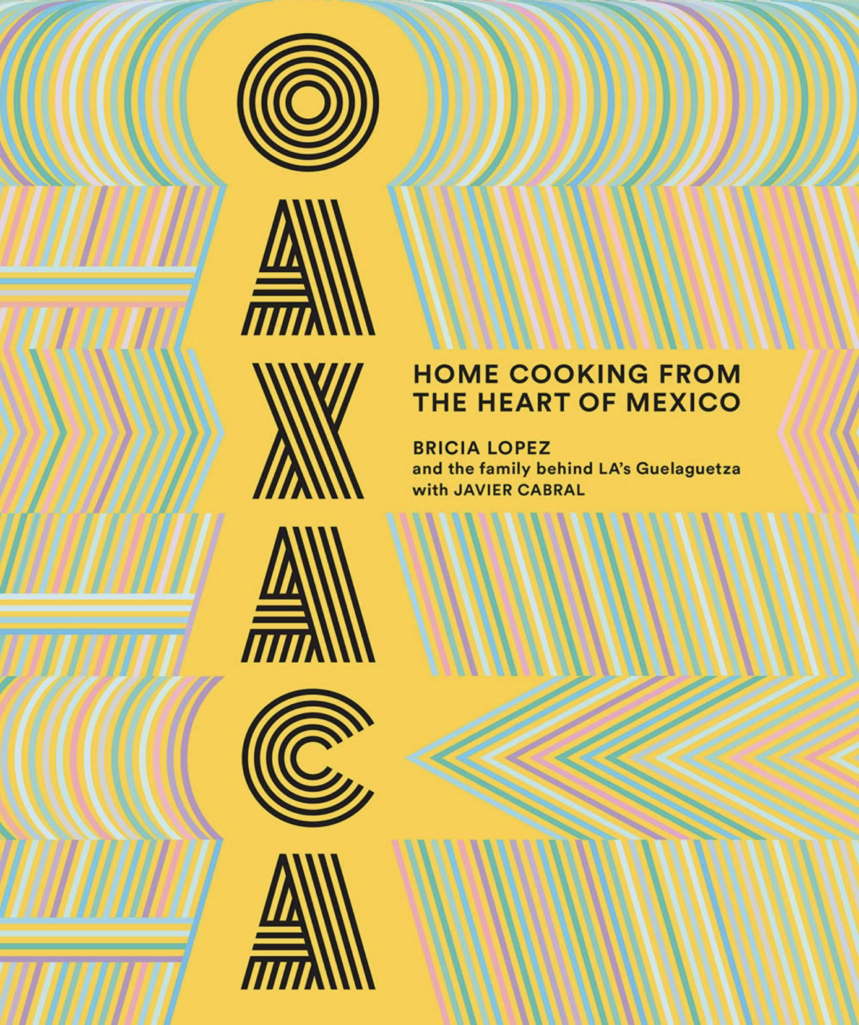
Oaxaca by Bricia Lopez
Regional Mexican cooking that goes way beyond tacos, teaching traditional techniques and the stories behind dishes. Beautiful, informative, delicious.
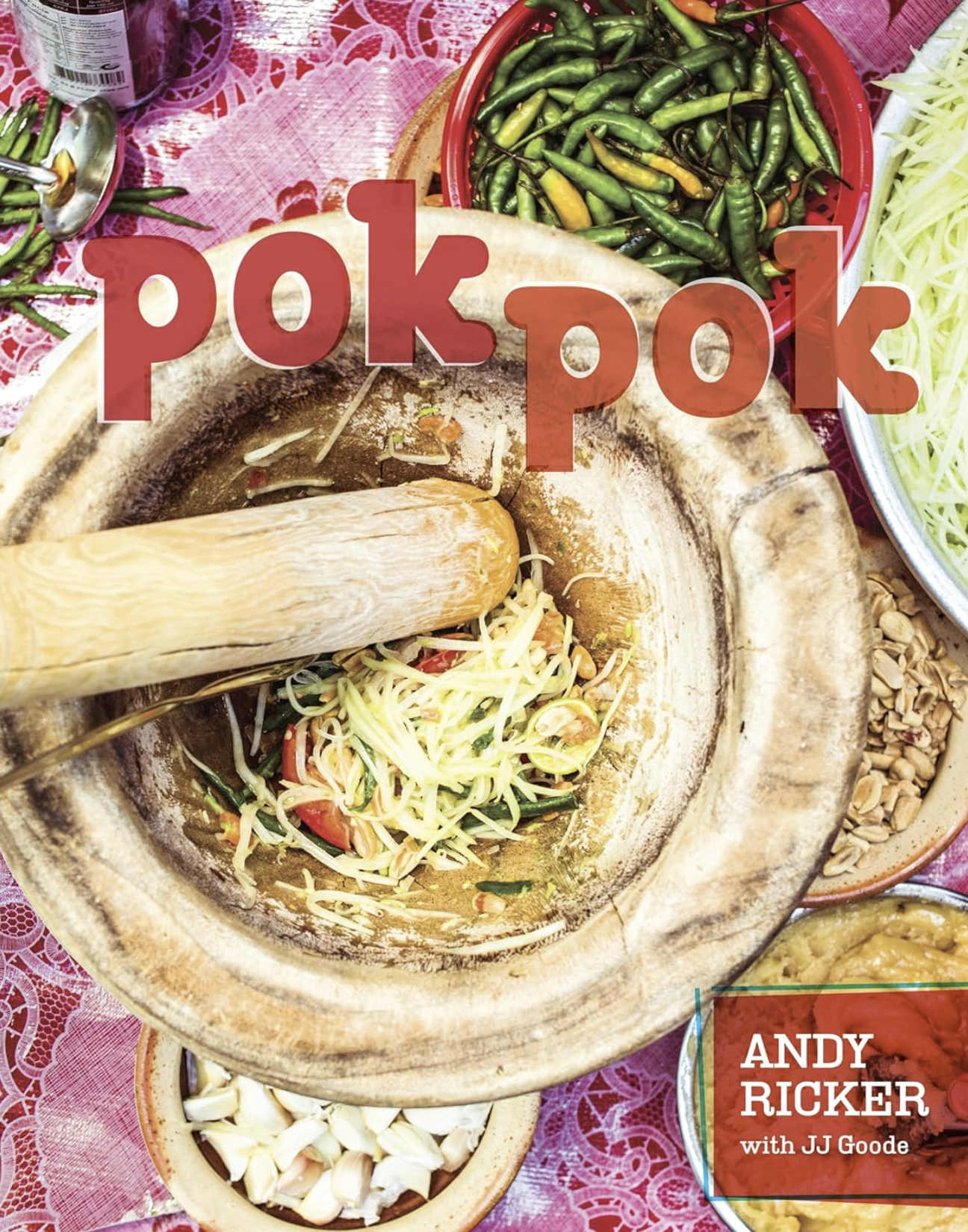
Thai
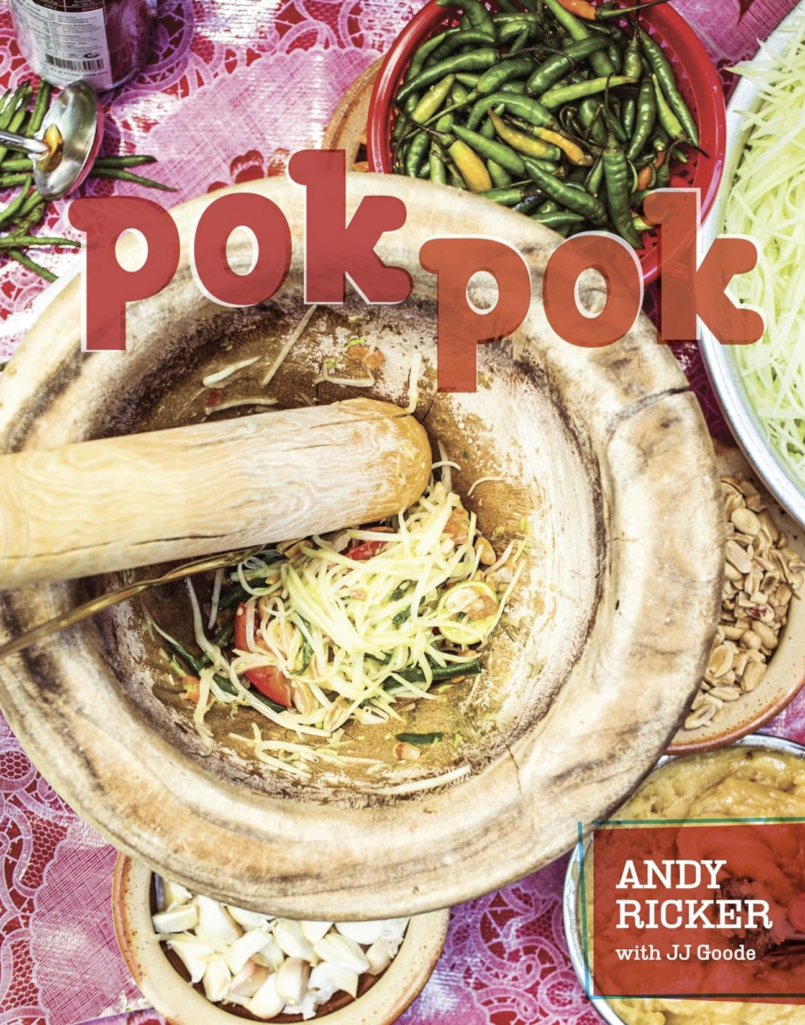
Pok Pok by Andy Ricker
Street food and regional Thai dishes with detailed explanations of ingredients and techniques. It’s the book that makes Thai cooking accessible without dumbing it down.
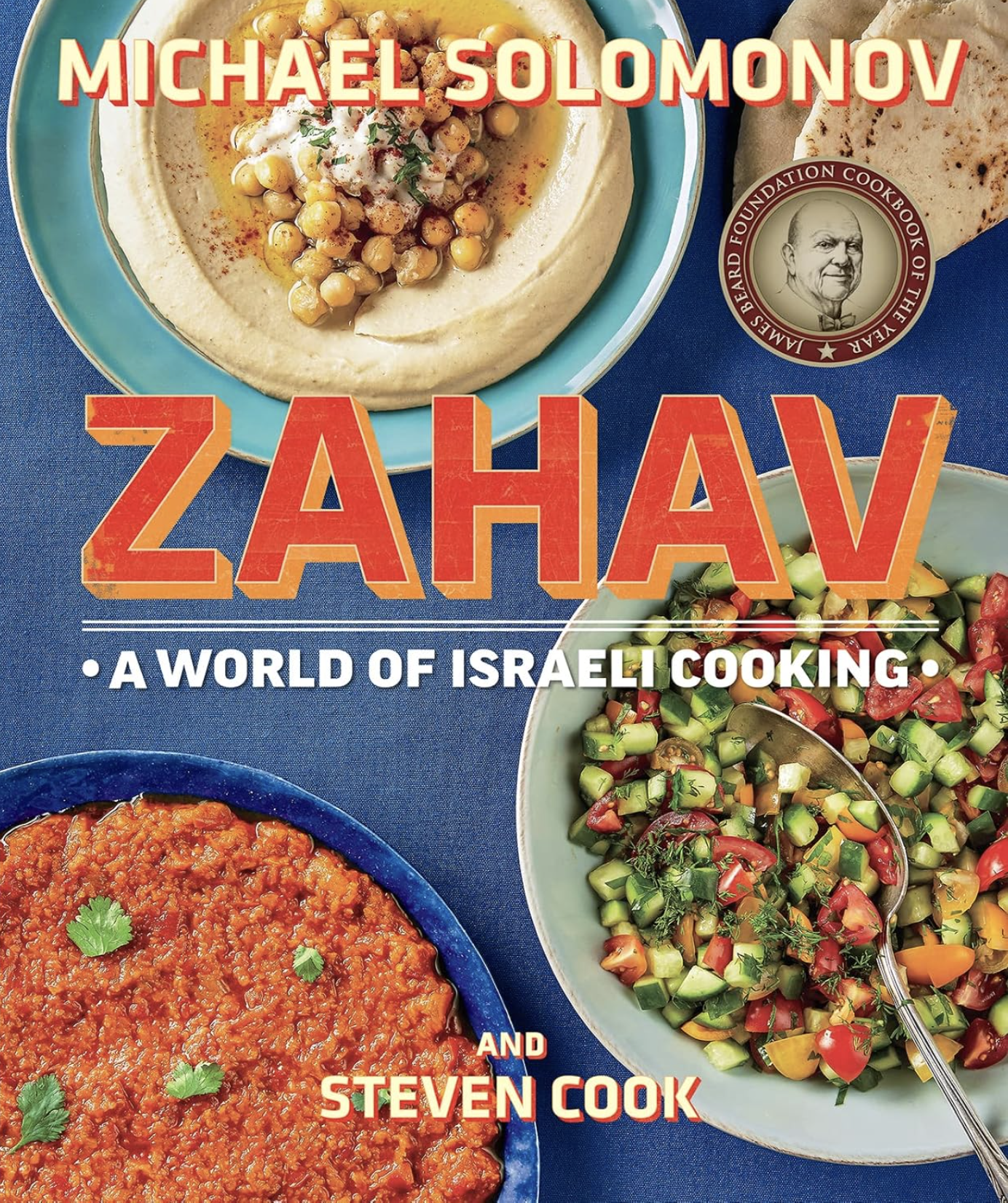
Middle Eastern
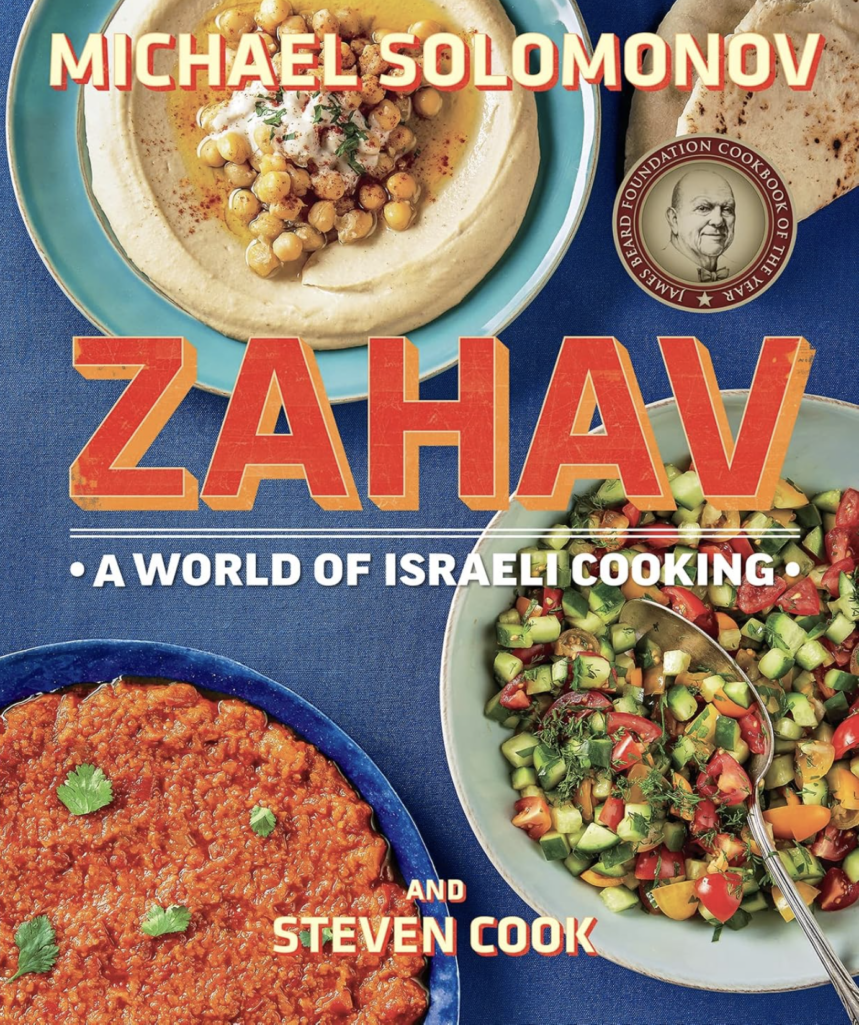
Zahav by Michael Solomonov
Israeli cooking with deep roots in Middle Eastern traditions. The recipes are weekend projects but worth every minute. The hummus technique alone is worth the price.
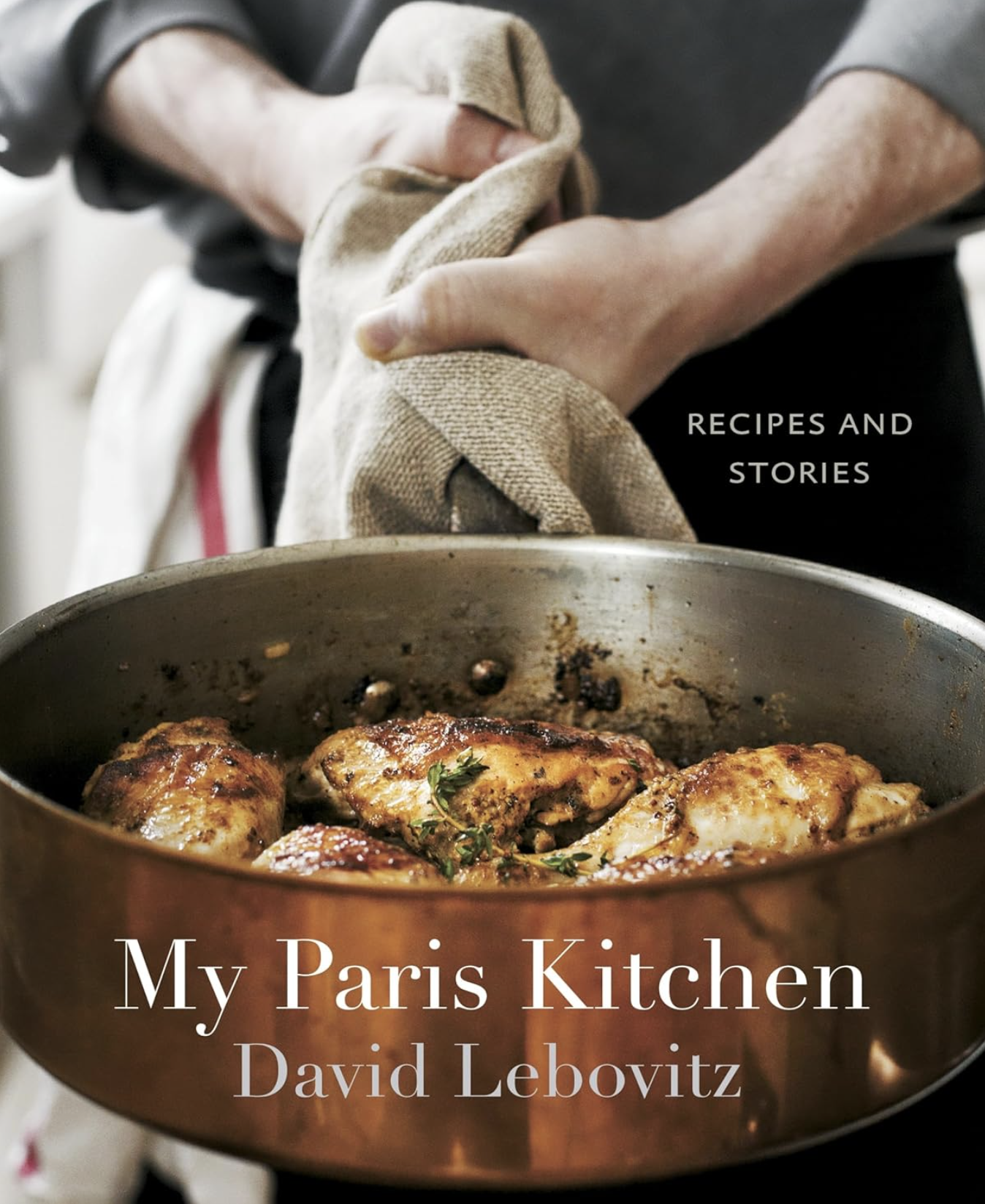
French
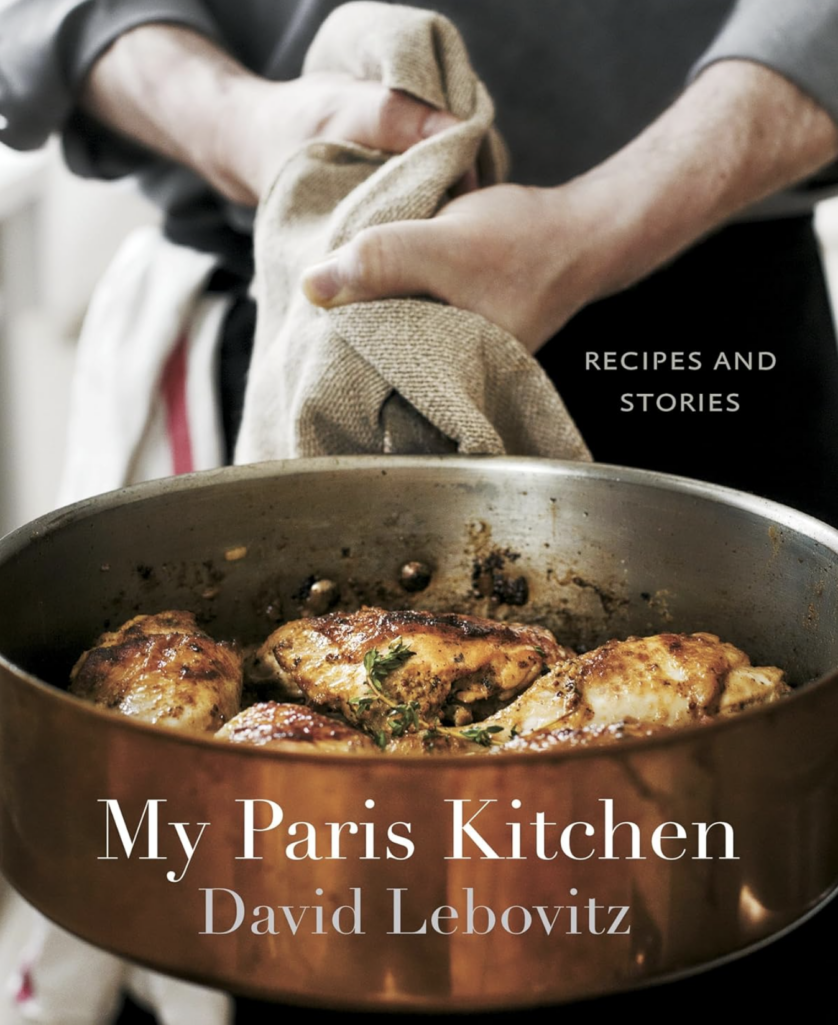
My Paris Kitchen by David Lebovitz
French home cooking from an American expat who actually lives in Paris. Approachable but authentic, with David’s humor and cultural observations throughout.
Special Dietary Needs
If you or someone you cook for has celiac disease, buy a serious gluten-free cookbook. If you’re genuinely committed to plant-based eating, invest in a comprehensive vegan book. But only if this is a real, ongoing need—not a January resolution.
For Gluten-Free
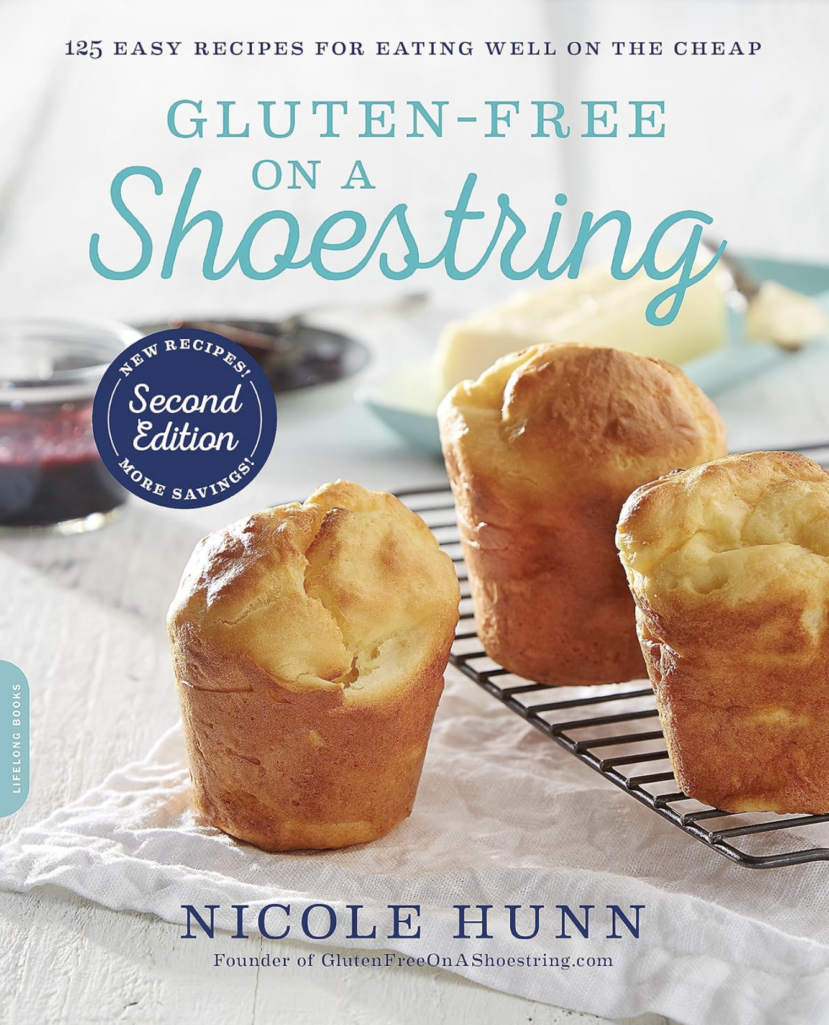
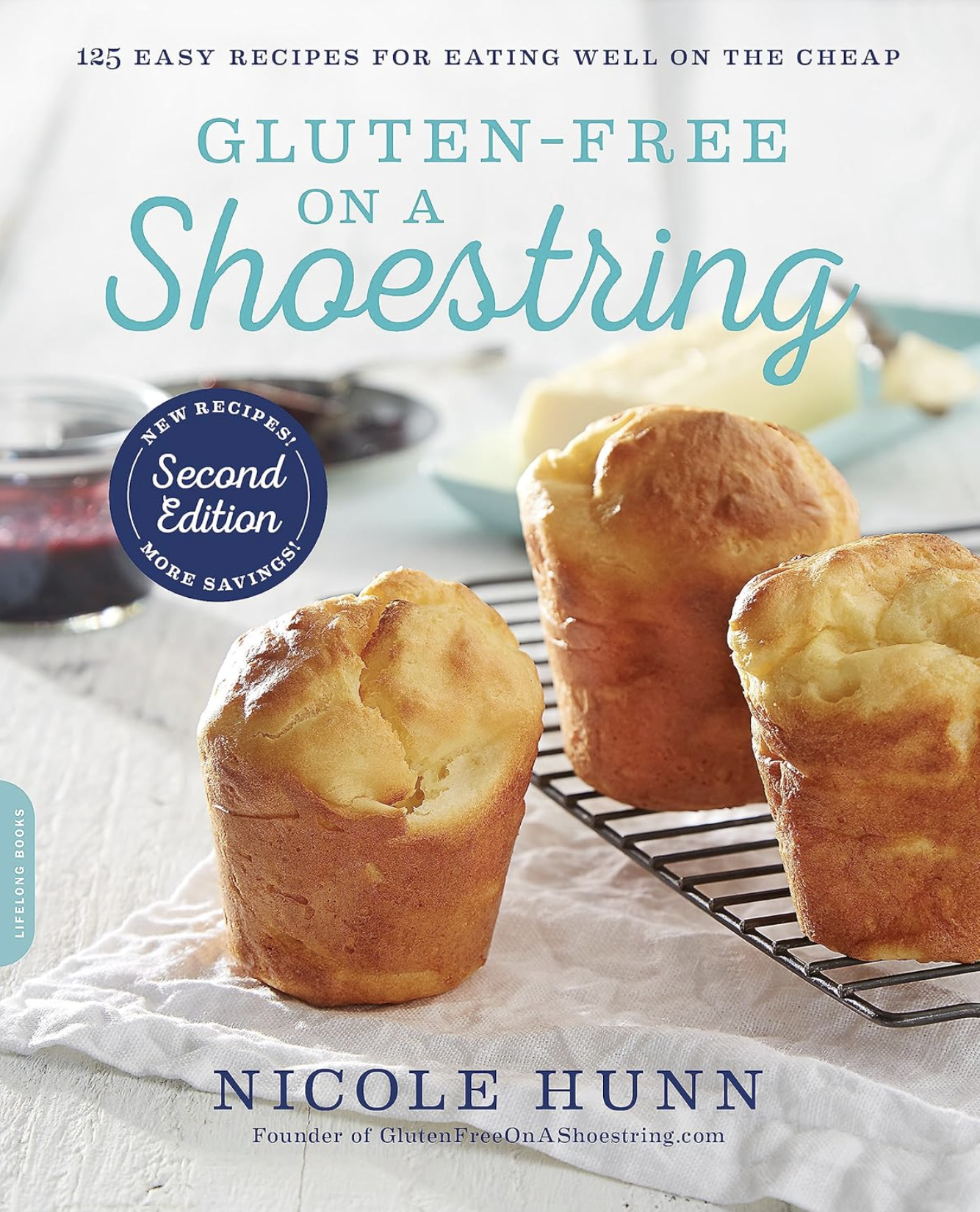
Gluten-Free on a Shoestring by Nicole Hun
Actually affordable gluten-free cooking (most GF cookbooks assume unlimited budgets). The baking conversions are invaluable.
For Vegetarian
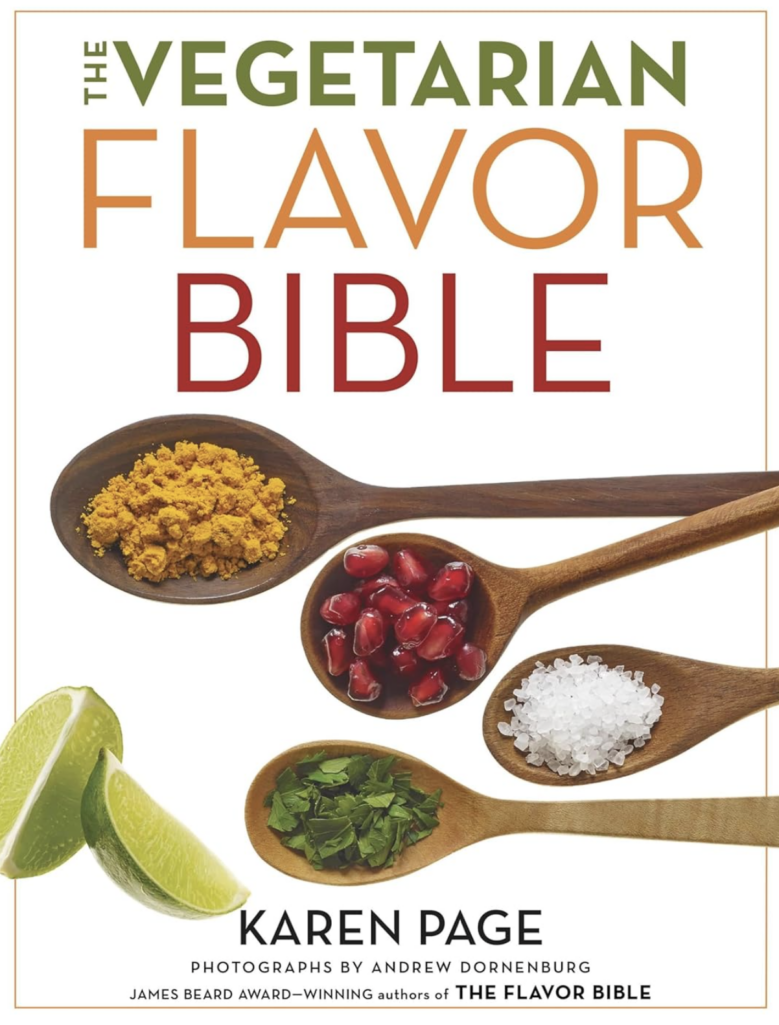
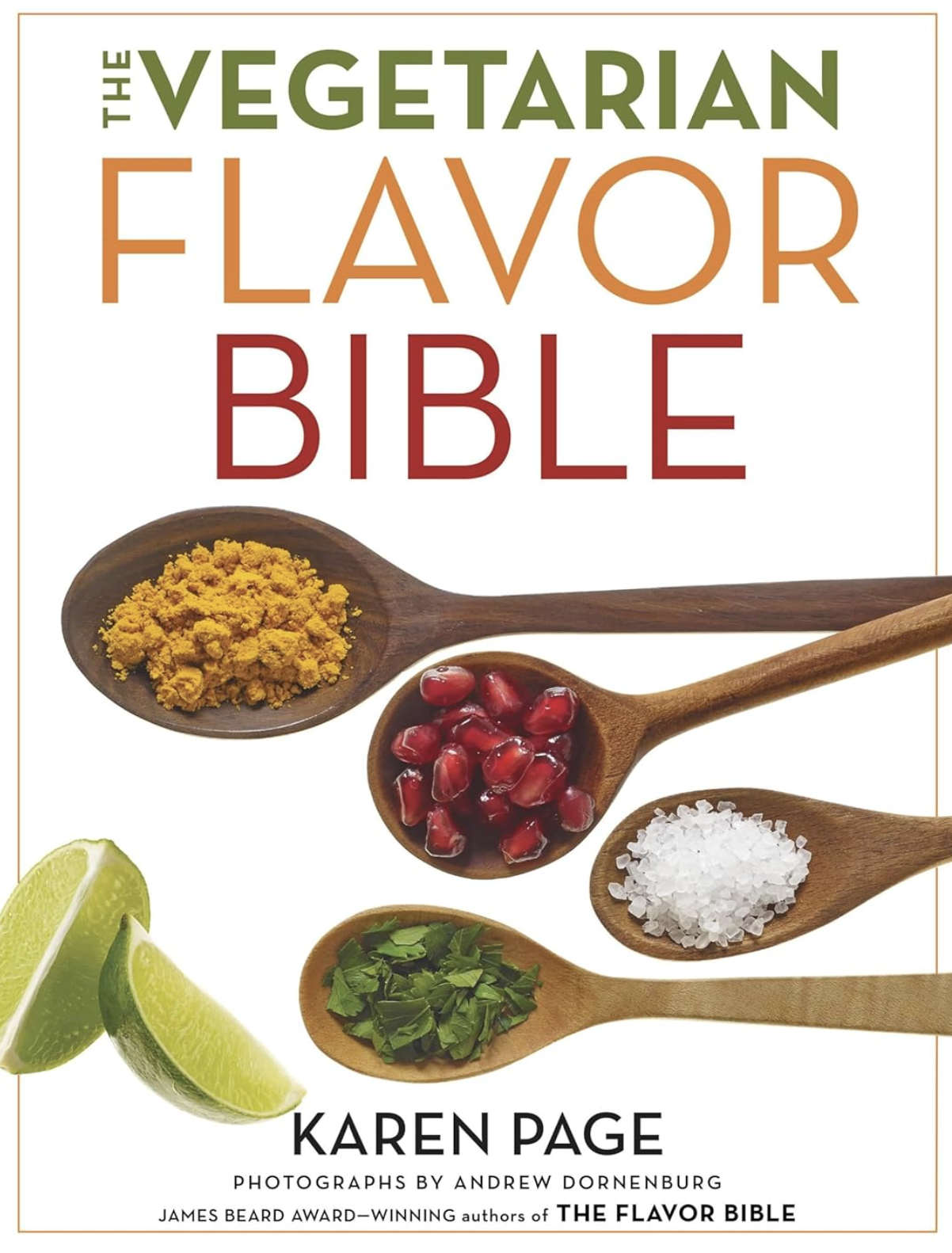
The Vegetarian Flavor Bible by Karen Page
Less a cookbook, more a reference for what flavors work together. Essential for anyone cooking vegetarian regularly.
For Vegan
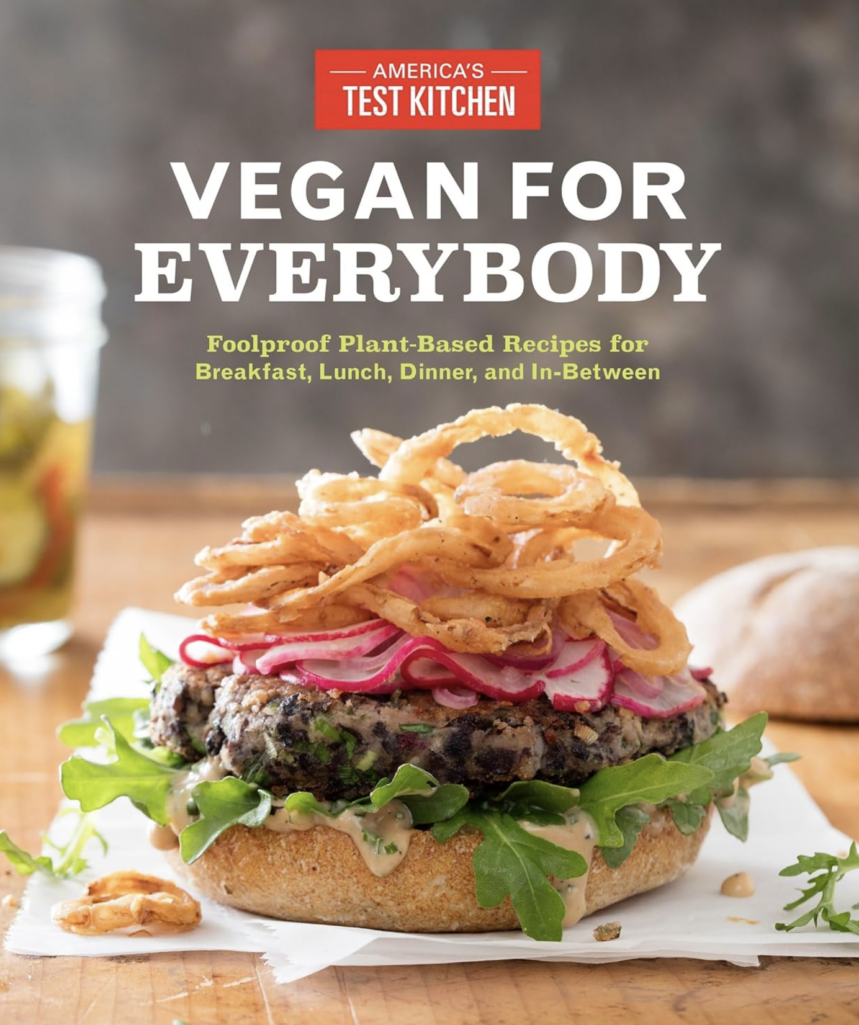
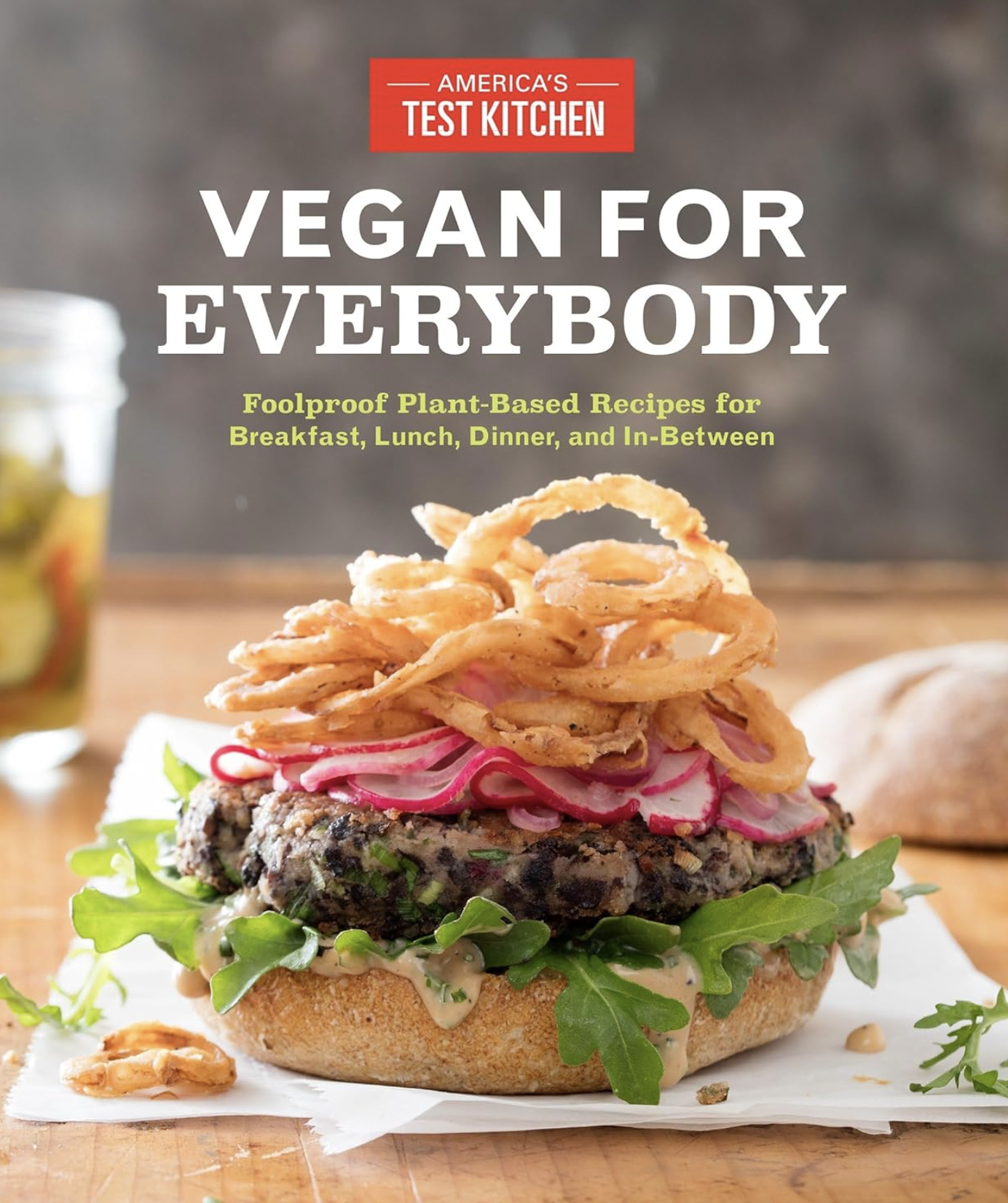
Vegan for Everybody by America’s Test Kitchen
If you trust ATK (and you should), this is their exhaustively tested approach to vegan cooking that actually tastes good.
The Book That Makes You Want to Cook
This is the wild card—the book you buy not because you need it but because it makes you excited about cooking. Maybe it’s beautiful photography, an author whose philosophy resonates, or a cuisine that fascinates you.
✨Beth’s Personal Picks
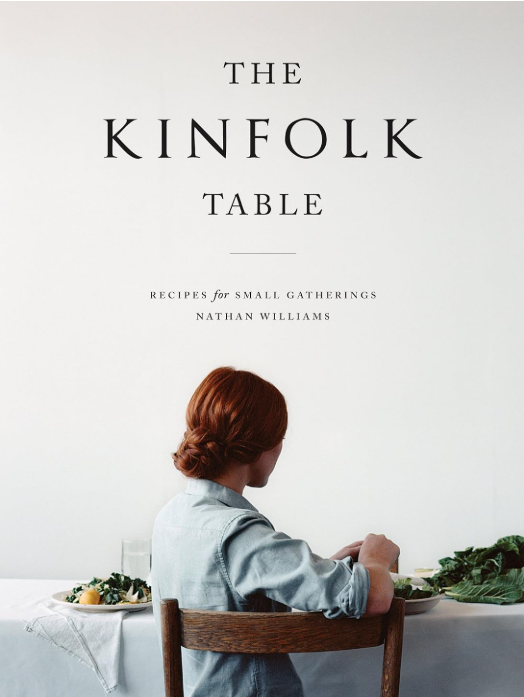
The Kinfolk Table by Nathan Williams
Gorgeous photography, international recipes, emphasis on gathering and sharing. I don’t cook from it weekly, but I reach for it when I need inspiration or want to remember why cooking for others matters.
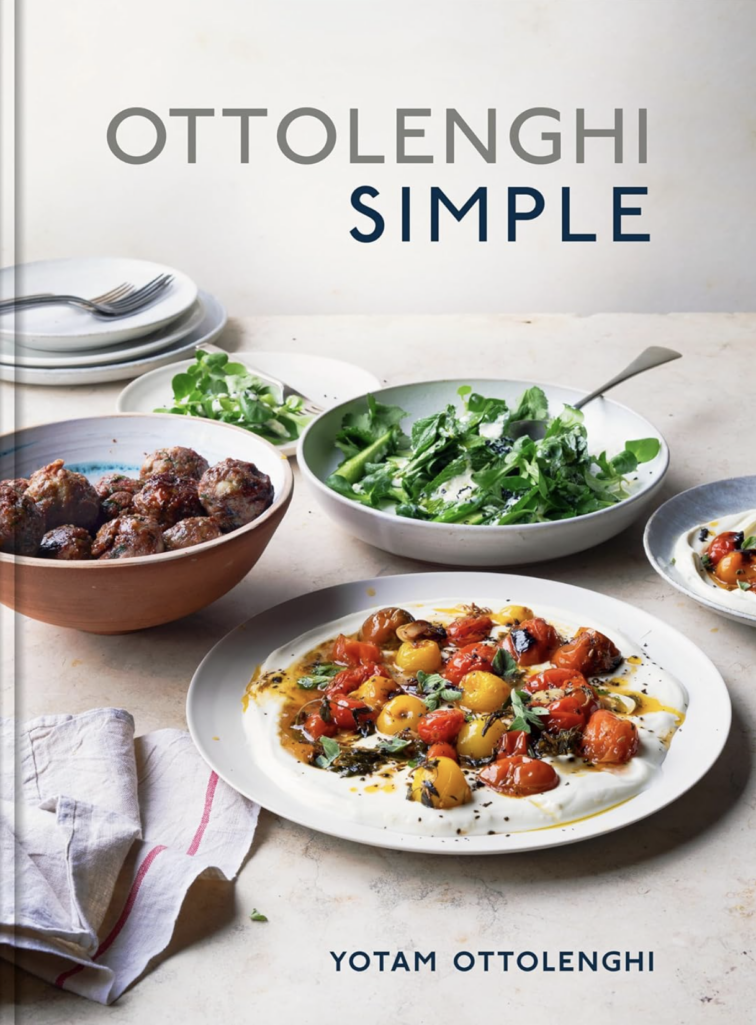
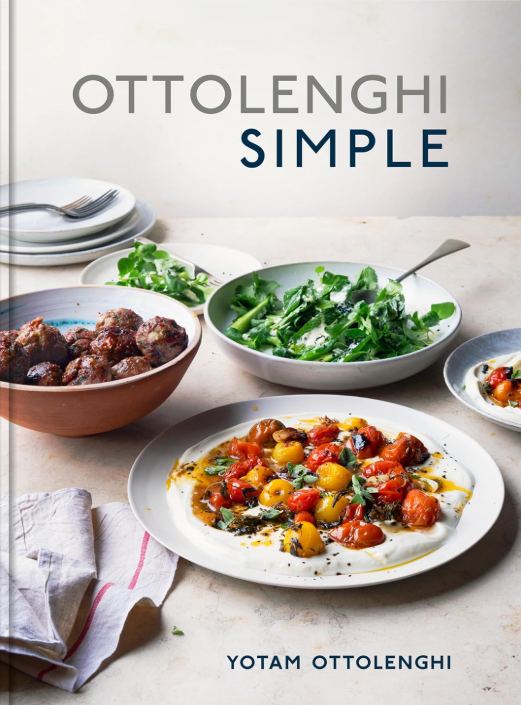
Ottolenghi Simple by Yotam Ottolenghi
Yotam Ottolenghi’s recipes are usually complex, but this book focuses on simpler versions of his signature bold flavors. It’s the book that makes vegetables exciting.
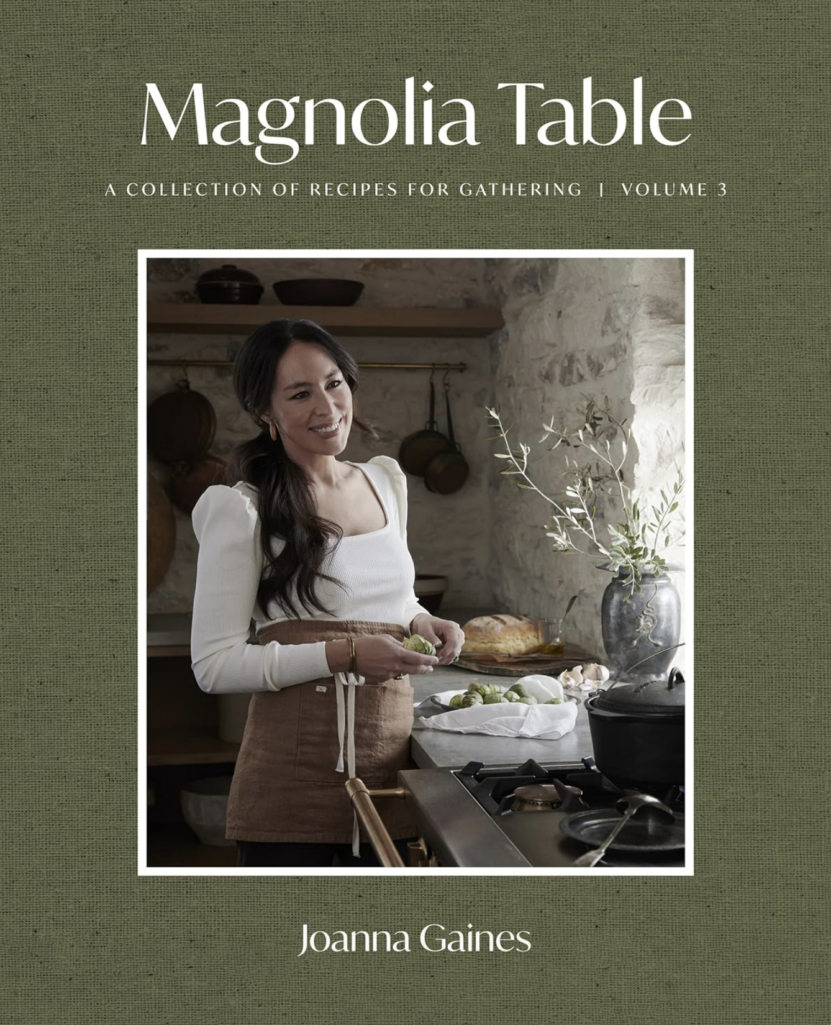
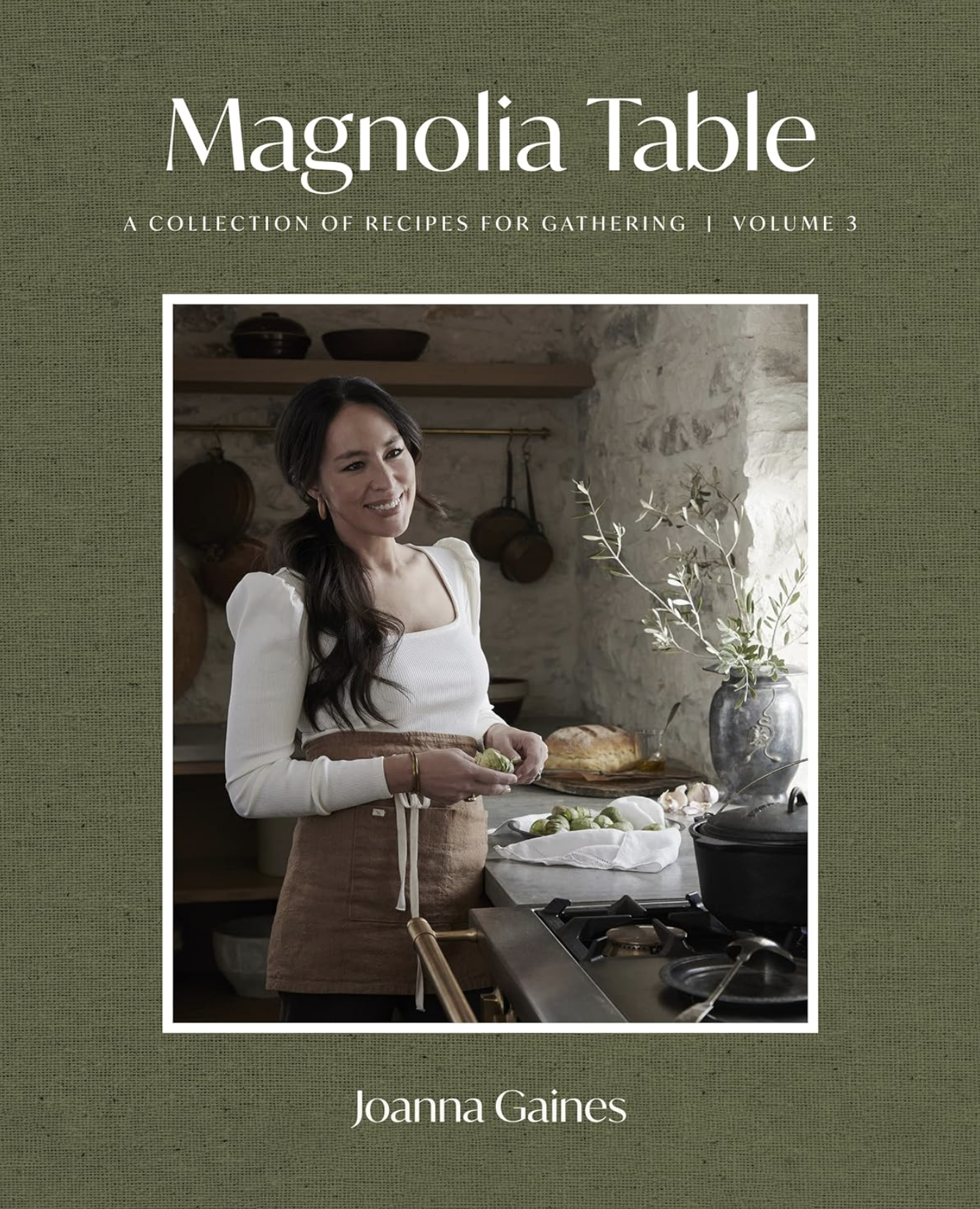
Magnolia Table, Volume 3 by Joanna Gaines
Pure comfort food with beautiful styling. It’s not groundbreaking cooking, but it’s the book I reach for when I want something familiar and satisfying.
The Cookbook Audit: Refreshing Your Own Collection
If you’re like me and your cookbook collection has gotten out of hand, here’s the audit process I used:
Step 1: Pull everything off the shelf
All of it. See what you actually own.
Step 2: Sort into three piles:
Keep – Use regularly:
- Books you reference monthly or more
- Comprehensive references you need
- Books with sentimental value you actually use
Maybe – Evaluate:
- Books you use occasionally but not often
- Books you think you should use but don’t
- Books you might use “someday”
Donate – Never use:
- Pristine books you’ve never cooked from
- Duplicates (keep your favorite, donate others)
- Books that don’t match how you cook
- Trendy books you bought and never opened
Step 3: With the “Maybe” pile:
- Keep them accessible for 3 months
- If you don’t cook from them in that time, donate them
- No guilt—someone else will love them
Step 4: Organize what you keep:
- Most-used books at eye level
- Reference books grouped together
- Specialty books (baking, specific cuisine) grouped
- Beautiful inspiration books displayed if they bring you joy
The Strategic Cookbook Budget
If you’re starting from scratch:
- Year 1: Buy 3 books (foundation + technique + your cooking style) = $100-120
- Year 2: Add 2 books (specific cuisine + special need or inspiration) = $60-80
- Borrow everything else from library until you’re sure
If you’re refreshing your collection:
- Audit what you have first (might realize you don’t need anything new)
- Replace books you use but are falling apart
- Add one book per year that fills a genuine gap
- Borrow trendy books before committing
The rule that saves money:
If you cook 3+ recipes from a library book and want to cook more, buy it. Otherwise, return it and move on.
Mini FAQ
However makes them easiest for you to find. I organize by frequency of use (most-used at eye level) then by type (baking together, weeknight together, reference together). The goal is functional, not Pinterest-perfect.
If they work for you, great. I find I’m more likely to actually cook from physical books I can leave open on the counter, write in, and splatter. But plenty of people love digital—use what you’ll actually reference.
If you can’t easily find what you’re looking for, you have too many. If you feel guilty about unused books, you probably have too many. The right number is however many you actually use.
Absolutely, especially for classics that have been around for decades. Used copies of How to Cook Everything or The Joy of Cooking are just as useful as new ones and save money. Just make sure pages aren’t missing.
If collecting brings you joy and you have space, wonderful. But keep them separate from your working collection. You need easy access to books you actually cook from.
✨ Beth’s Take: What I Wish I’d Known 30 Years Ago
I spent decades accumulating cookbooks because they were beautiful, trendy, or because someone said I “had to have it.” Meanwhile, I cooked from the same three books on repeat while the other 35 gathered dust and made me feel guilty.
The shift happened when I stopped thinking about cookbooks as collectibles and started thinking about them as tools. Tools should be useful. If a hammer sits in your toolbox unused for years, you don’t need it—someone else does.
Now my collection is intentional: comprehensive references I consult regularly, technique books that made me a better cook, a few specialized books for cuisines I make often, and a couple of beautiful volumes that inspire me even if I don’t cook from them weekly.
The books I’ve donated have hopefully found homes with people who’ll actually use them. And I’ve saved money by borrowing from the library before buying, resisting trends, and being honest about how I actually cook versus how I wish I cooked.
Building a cookbook collection isn’t about having the most books or the trendiest titles. It’s about curating tools that make you a better, more confident, more joyful cook. Whether you’re refreshing your own collection or helping the next generation build theirs, start with that intention.
Related Posts
For other essential kitchen tools worth investing in, check out 10 Culinary Gifts Every Home Cook Needs—these tools work alongside great cookbooks to make cooking easier and more enjoyable. And for inspiration on seasonal cooking, browse The Cookbooks Inspiring Our Fall Menus for seasonal recipe ideas from my and Kelly’s favorite books.
Closing Thoughts
Ready to Build (or Rebuild) Your Cookbook Collection?
A strategic cookbook collection starts with comprehensive foundation books, adds technique understanding, then fills specific gaps based on how you actually cook. Keep books you reference regularly, donate books that make you feel guilty, and borrow before buying. The goal isn’t the biggest collection—it’s the most useful one that makes you a better, more confident cook.




I agree on the encyclopedic nature of Kenji’s book.
The cookbook I pull out the most is The Forest Feast: Mediterranean, by Erin Gleason. I have everything she’s put out, but that’s my favorite. Beautiful (she does her own watercolors, and there is a lot of her own photography from when they had a 3 month family sabbatical to the Med), the recipes are simple and easy – often say 5 ingredients and that’s it. Flavor combos I’d not have though of. I was surprised how much I used it, cos its vegetarian, and I’m not. So I use it for side dish ideas and everything I’ve made from it has been great. There’s a 3 ingredient (plus optional salt and/or chopped nuts on top) nutella lava cake that is foolproof and 25 mins from deciding to make it to eating it. It works with cookie butter instead of the nutella too. I’ve gifted it to soooo many people, who have all loved it too – a few of my friends and I (none of whom knew each other) had an impromptu text group during lockdown where we shared what we were making from it, any tweaks we were making etc, which was really fun and a nice human connection during that time.