













The night cream that carried you through winter has likely earned its rest. Heavy, occlusive formulas that were exactly right when the air was cold and dry become counterproductive as temperatures climb — they sit on warmer, more humid skin rather than absorbing into it, can clog pores as sebum production increases with heat, and often feel wrong in a way that’s hard to articulate but immediately apparent when you pull the covers back on a warm April night. The switch to a lighter nighttime formula is one of the most impactful seasonal skincare adjustments you can make, and it doesn’t mean sacrificing results. It means using the right formula for the conditions your skin is actually in. Here are six worth considering.
What You’ll Find In This Post:
- 6 Night Creams Worth Switching To This Spring
- 1. The Lightweight Retinol That Finally Feels Right in Warm Weather
- 2. The Gel-Cream That Hydrates Without Weight
- 3. The Peptide Night Cream That Works While You Sleep
- 4. The Overnight Mask That Replaces Your Night Cream Two Nights a Week
- 5. The Vitamin C Night Cream That Does Double Duty
- 6. The Ceramide Barrier Cream That Spring Skin Actually Needs
- Mini FAQ
- More Spring Skincare
6 Night Creams Worth Switching To This Spring

1. The Lightweight Retinol That Finally Feels Right in Warm Weather
Elizabeth Arden Retinol + HPR Ceramide Rapid Skin Renewing Water Cream
Retinol is the non-negotiable nighttime active for mature skin — it stimulates cell turnover, supports collagen production, and smooths texture in ways that nothing else replicates. The barrier to using it in spring is often the delivery: a heavy cream retinol that felt luxurious in January can feel occlusive and pore-clogging in April. Elizabeth Arden Retinol + HPR Ceramide Rapid Skin Renewing Water Cream solves this by delivering pharmaceutical-grade retinol in a hybrid water cream texture — enough weight to feel like a proper treatment, light enough to absorb fully before your head hits the pillow.
2. The Gel-Cream That Hydrates Without Weight
Neutrogena Hydro Boost Gel-Cream Extra-Dry Skin
The gel-cream format is spring skincare’s most useful texture — it delivers the hydration of a cream in a formula that absorbs like a gel, leaving no residue, no heaviness, no the-sheets-feel-different-on-my-face sensation that heavier night creams can produce in warm weather. The Neutrogena Hydro Boost uses hyaluronic acid as its hero ingredient, drawing moisture into the skin and locking it there without the occlusive layer that oils and heavy emollients create. For women over 50 who still experience dryness but find rich creams too heavy for spring nights, this is the bridge formula — genuinely hydrating without the weight. Fragrance-free, non-comedogenic, and at a price point that makes it one of the most accessible upgrades on this list.


3. The Peptide Night Cream That Works While You Sleep
Olay Regenerist Micro-Sculpting Cream
Peptides signal skin to repair and rebuild — which is precisely what you want happening overnight, when the skin’s regenerative processes are most active. The Olay Regenerist Micro-Sculpting Cream delivers a peptide complex alongside niacinamide and hyaluronic acid in a texture that the brand has spent decades refining: substantial enough to feel like genuine night care, light enough for spring use, and consistently outperforming formulas at three times its price in independent comparative testing. The spring argument for this specific cream: it absorbs fully within minutes rather than sitting on the skin, which means it works with the skin’s natural processes rather than creating a barrier over them. A drugstore night cream worth taking seriously.
4. The Overnight Mask That Replaces Your Night Cream Two Nights a Week
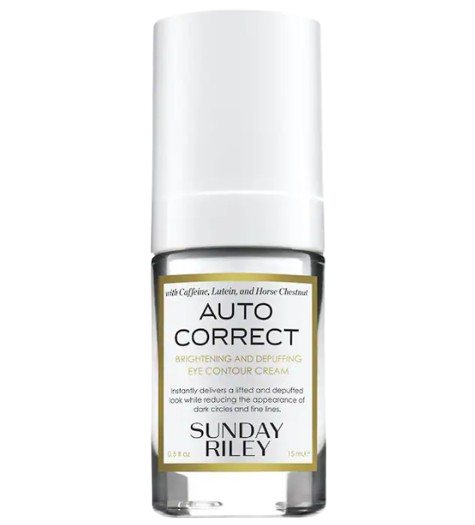
Sunday Riley Auto Correct Brightening and Depuffing Eye Contour Cream
Two nights a week — in place of the regular night cream rather than added on top of it — an overnight sleeping mask delivers a concentrated treatment that the skin can fully utilize during sleep without requiring morning removal. Sunday Riley’s approach to overnight treatment focuses on brightening and barrier repair in a formula that sits between a serum and a mask in texture: absorbed rather than rinsed, working through the night without the heaviness of a traditional sleep mask. For spring specifically, the brightening focus addresses the dullness that accumulated through winter’s lack of sun and the general skin-dulling effect of months of dry indoor heat. Two nights a week, alternating with your regular night cream, and the spring skin reset accelerates noticeably.
5. The Vitamin C Night Cream That Does Double Duty
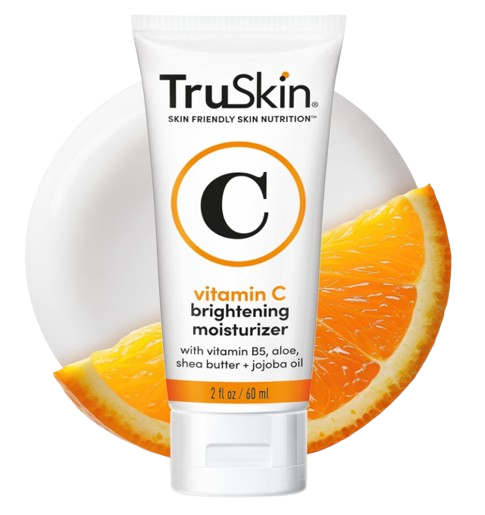
TruSkin Vitamin C Brightening Moisturizer
Vitamin C is typically a morning ingredient — applied before SPF for maximum antioxidant protection during the day. But a vitamin C night cream in a stable, encapsulated formula works differently: without the UV exposure that degrades vitamin C during the day, the overnight application allows the vitamin C to work on brightening and evening tone while the skin is in repair mode, undisturbed. The TruSkin Vitamin C Brightening Moisturizer uses a stable vitamin C derivative alongside hyaluronic acid and botanical extracts in a lightweight moisturizer that’s appropriate for spring use and suitable for most skin types including sensitive. For the spring complexion concerns — uneven tone, winter dullness, the kind of brightness that gets lost between October and April — a vitamin C night cream is the targeted overnight addition worth trying.
6. The Ceramide Barrier Cream That Spring Skin Actually Needs
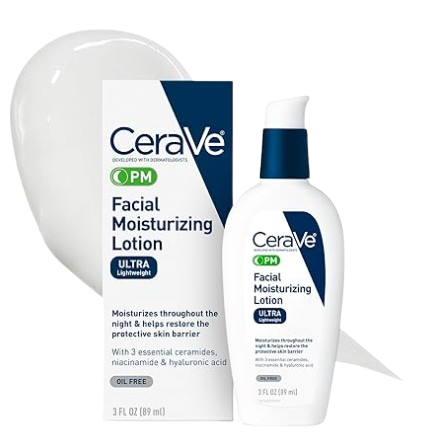
CeraVe Facial Moisturizing Lotion — PM Formula
Allergy season, more frequent washing of hands and face, the switch from heavy winter moisturizers — all of these compromise the skin barrier in spring in ways that the season itself doesn’t obviously signal. The CeraVe PM Facial Moisturizing Lotion is the barrier repair formula for when the skin is reactive, slightly sensitized, or recovering from the allergy-season adjustments covered in Monday’s post: three essential ceramides, hyaluronic acid, and niacinamide in a lightweight, non-greasy formula designed specifically for nighttime barrier restoration. It’s not a treatment cream in the active-ingredient sense — it doesn’t resurface or brighten — but it creates the stable, healthy barrier that makes every other product in your routine work better. The foundation before the actives.
Why Your Winter Night Cream Isn’t Working the Same Way Anymore
The formula hasn’t changed — your skin conditions have. Night creams are formulated for specific conditions: heavy, occlusive formulas are designed for cold, dry environments where the skin needs a barrier against moisture loss. When the temperature rises, the humidity increases, and sebum production responds to warmth, that same occlusive formula stops absorbing properly. It sits. It can contribute to congestion. It may cause the overnight puffiness that seems worse in spring than in winter. None of this means the product is bad — it means it was right for conditions that no longer exist.
The spring night cream criteria are different from winter: lighter texture that absorbs fully, active ingredients that remain effective in a non-occlusive delivery system, formulas that work with increased skin moisture rather than compensating for depleted moisture. All six products in this edit meet those criteria. Your winter night cream, however beloved, likely doesn’t.
How to Build a Spring Nighttime Routine
Lead with the active, follow with the moisturizer. Retinol or vitamin C serum first on clean skin, allow two to three minutes to absorb, then the night cream. Layering order matters: actives go on closest to the skin, moisturizers seal them in.
Two nights a week for the overnight mask. Substitute the overnight mask for your regular night cream on two non-consecutive nights — not in addition to it. The skin doesn’t benefit from stacking too many products overnight, and an overnight mask applied over a night cream creates the kind of occlusion that spring skin doesn’t want.
The ceramide cream on reactive nights. On the nights after exfoliation, after a new product introduction, or during peak allergy-season reactivity, swap the active night cream for the CeraVe ceramide formula. Barrier repair first; actives can wait a night.
Neck and décolletage always. The nighttime routine extends to the neck and chest — the skin there ages on the same timeline as the face and responds to the same treatments. Take every product a few inches further than you think necessary.
Less is more in spring. The temptation is to add spring products to the winter routine rather than replacing. Resist it. The spring nighttime routine should be lighter overall — fewer layers, lighter textures, more targeted actives. Editing down is as important as choosing the right products.
Mini FAQ
The signals: it’s not fully absorbed by morning, leaving a residue on your pillow. You’re waking up with more congestion or breakouts than in winter. Your skin feels oily in the morning rather than balanced. Any of these suggest the formula is heavier than your current skin conditions require.
Yes, with a caveat: if your daytime moisturizer contains SPF (which it should), don’t use it at night — the SPF ingredients are unnecessary overnight and some can cause low-grade irritation with repeated application in a no-UV environment. A separate, dedicated night formula is the better approach.
Yes — with consistent SPF application during the day. Retinol increases photosensitivity, which makes it important to use SPF regardless of the season, but especially during the longer, sunnier spring and summer days. The retinol goes on at night; the SPF goes on in the morning. That combination is safe and effective year-round.
The eye area is thinner and more delicate than the rest of the face and benefits from a dedicated formula — especially for puffiness and darkness that a regular night cream doesn’t specifically address. Apply eye cream before night cream, gently tapping rather than rubbing.
The negative symptoms of an overly heavy cream — congestion, morning puffiness, residue — should improve within one to two weeks. Positive results from the active ingredients (retinol, vitamin C, peptides) take four to eight weeks of consistent use. The switch pays off in both directions, just on different timelines.
✨ Beth’s Take: The Night Cream Rut — And How I Got Out of It
I used the same night cream for three winters in a row because it worked beautifully and I didn’t think about whether it was still appropriate when the season changed. By May it wasn’t working the way it had in January — I was waking up with residue I didn’t have in February, with a slight congestion that I kept attributing to everything except the obvious — and I kept using it anyway because changing a routine that used to work feels like admitting defeat.
It isn’t defeat. It’s just seasonality. The skin is not the same organ in April that it was in January — the humidity is different, the sebum production is different, the barrier conditions are different — and the cream that was right for January conditions is simply wrong for April ones. That is not a product failure. It is a seasonal mismatch.
The switch to a gel-cream texture for spring was the adjustment that fixed three months of low-grade skin frustration in one week. The retinol followed shortly after, in the lighter cream-serum formula that absorbed properly instead of sitting. The whole routine started working again — not because I added anything, but because I replaced the one thing that had been working against the conditions rather than with them.

More Spring Skincare
For the body skincare routine that pairs with this nighttime facial overhaul, Body Care for Spring: Exfoliation, Hydration, and Self-Care covers exfoliation, hydration, and everything that keeps spring skin looking its best from the neck down. And for the lightweight daytime formulas that work in tandem with a lighter nighttime routine, 10 Lightweight Products to Transition Your Skin into Spring completes the spring skincare picture on both ends of the day.
Closing Thoughts
Time to Switch Up Your Night Cream for Spring
The heaviest formula in your nighttime routine is the first thing to reconsider. Swap the occlusive winter cream for a gel-cream or a lightweight hybrid, keep your retinol but in a formula that absorbs properly, and add the overnight mask two nights a week in place of rather than on top of your regular routine. Lighter doesn’t mean less effective — it means appropriate. Spring skin responds to the right conditions. Give it the ones it’s actually asking for.





LEAVE A COMMENT