











Four weeks ago, I had surgery that one in three women will have by age 60. I was lucky to have a few women in my life who’d been through it and generously shared their experiences with me beforehand, so I had some idea of what to expect.
But, everyone is different.
You can’t fully prepare for how it feels — especially the recovery. Plus, this is the first surgery I have ever had. So my naivety about surgery was real. As someone who’s wired to stay busy and productive, being forced to slow down for this long has been its own challenge.
If you’ve been following the blog for a while, you know this isn’t typically the kind of content I share here. Beth is usually the one who gets personal, and I’ve always admired how openly she connects with you all. But sitting here in my fourth week of recovery, wearing the same soft pants I’ve lived in for a month, I realized I needed to share this. Because if even one of you is going through this—or about to—maybe my experience can add to the chorus of voices that helped me.
So let’s talk about hysterectomies.
What You’ll Find in Today’s Post
Why I Made This Decision
For 35 years, I dealt with periods that were unpredictable at best and debilitating at worst. Heavy. Irregular. The kind where you’re constantly anxious about whether you’re prepared, whether you’ll make it through a meeting (or a photo shoot), whether you packed enough supplies for a trip. Not to mention how expensive feminine products are…
As I approach my 50th birthday, I had a moment of clarity: I’m done.
Done planning my life around my cycle. Done with the anxiety. And so done with three decades of looking forward to menopause and hoping things would somehow get better on their own. After conversations with my doctor and weighing my options, a hysterectomy felt like the right choice for me—and honestly, it felt like freedom.
What I Know Now: The Facts
One thing that surprised me was just how common this surgery is—and yet how rarely we talk about it openly. Here are some facts I found helpful:
It’s incredibly common. About 600,000 hysterectomies are performed in the U.S. each year, making it the most common non-pregnancy-related surgery for women. By age 60, roughly one-third of all women will have had one.
Most are for non-cancerous conditions. About 90% of hysterectomies are performed for benign (non-cancerous) reasons like fibroids, heavy bleeding, endometriosis, and uterine prolapse. Cancer accounts for only about 10%.
Recovery is no joke. Depending on the type of surgery, full recovery takes anywhere from 2-8 weeks. I had a vaginal hysterectomy, and at four weeks in, I still have at least another week or two before I feel fully myself.
It’s the second most common surgery for women after C-sections. Let that sink in. This is something so many of us go through, yet it’s rarely discussed openly.
What I Learned About Recovery
I talked to women who’d been through this and I read articles. I thought I was prepared. But there’s a difference between knowing something intellectually and living it. Here’s what caught me off guard:
The recovery is long, and you can’t rush it. This has been the hardest part for me. I’m a productive person. I like to do things. And for weeks now, my job has been to rest, heal, and not push myself. That sounds simple until you’re living it. The urge to “just quickly” do laundry or catch up on work is real — and you have to fight it. Your body needs this time, even when your brain is screaming to get back to normal.
You won’t be wearing real pants for a while. And I mean a while. Anything with a waistband that hits your lower abdomen? Forget it. I basically lived in loose pajamas and soft workout pants for the first few weeks, and I’m only now starting to ease back into actual clothing – but only when I have work out of my home.
The bloating is real. Your abdomen goes through a lot during this surgery, and the swelling takes time to go down. My body hasn’t looked or felt like my body for weeks. This is normal, but it can be emotionally challenging.
Fatigue hits differently. I expected to be tired, but I didn’t expect how your energy just… disappears. Your body is doing so much work to heal that even simple tasks feel exhausting. For someone used to powering through a full day, this was humbling (but also frustrating).
The emotional ups and downs. One day you feel great; the next day you’re a little blue. Between the healing process and any hormonal shifts, your emotions are on their own journey. This is normal.
You need more help than you think. No lifting, or driving (for a bit). No pushing yourself. Accept help. Ask for help. This is not the time to be a hero — something I’m still reminding myself. Thankfully, I have my husband, my mom, and Beth all here close by to help.
After a week of time off, I started back at Style at a Certain Age slowly. I have done a couple of photo shoots with our photographer, Jess. One that I was especially happy about was my outfit last week: The Petite Dress Hack No One Talks About. Additionally, we have been keeping up with Fridays with Oscar. Since my surgery, we have done:
- Blood Orange Whiskey Sour & Cheese Crisps
- Aplos Mocktails & Whipped Feta with Roasted Garlic
- Salted Caramel Espresso Martinis & Spiced Almonds
My Recovery Must-Haves
Okay, let’s get practical. Because if there’s one thing I can offer from this experience, it’s telling you what got me through.
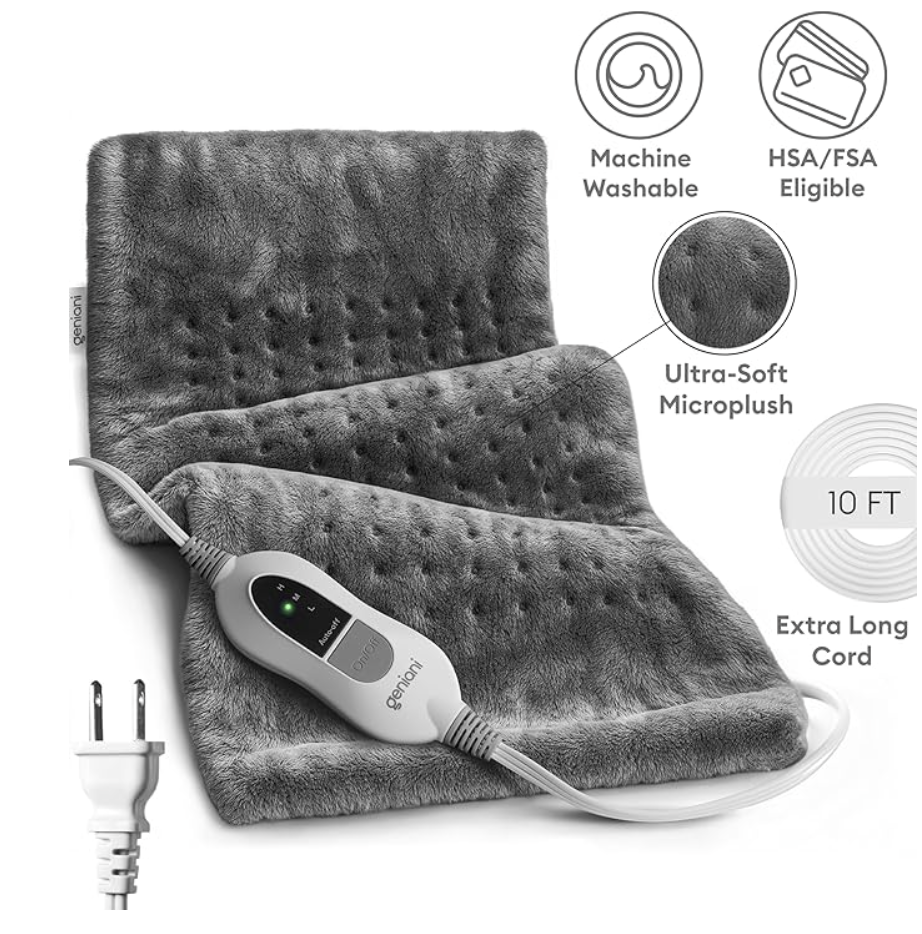
My Heating Pad is still my best friend. I cannot even explain how much it provides comfort; it calms the dull aches and cramps and helps me relax.
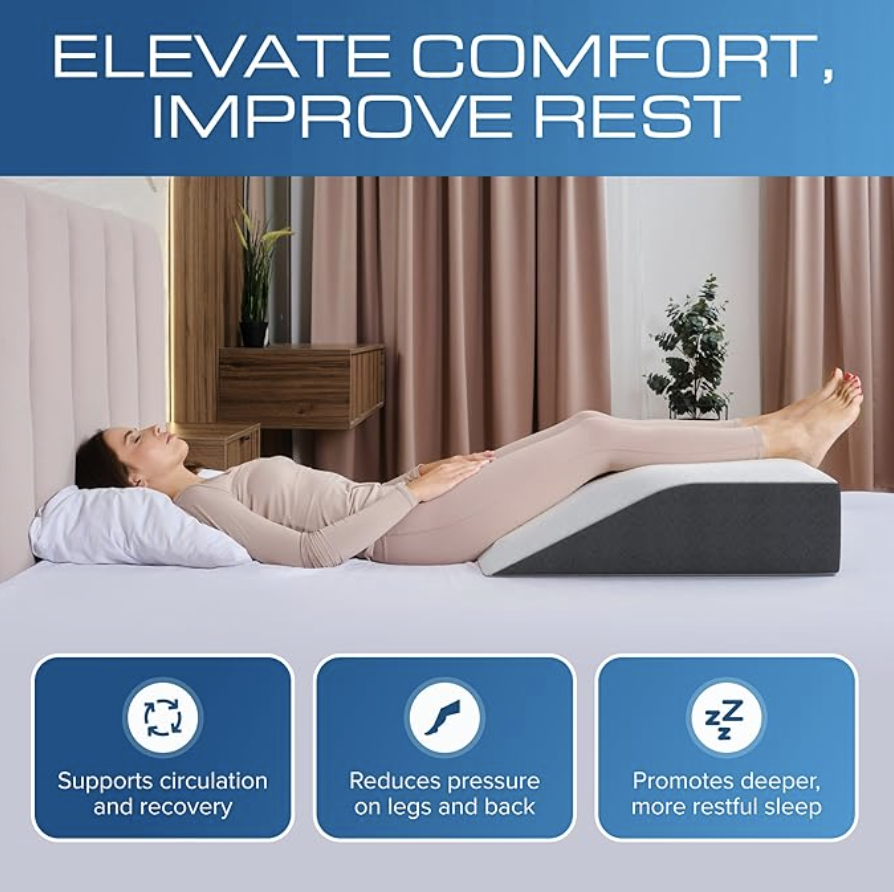
I have a lower back issue (which could be a whole other post), and cannot lie flat for long periods of time. In the first couple of weeks, even lying on my side created too much uncomfortable pressure on my lower abdomen. The solution? My Leg Elevation Pillow. This wedge-shaped pillow lets me adjust my position to take pressure off of my lower back while still laying flat. A game-changer!
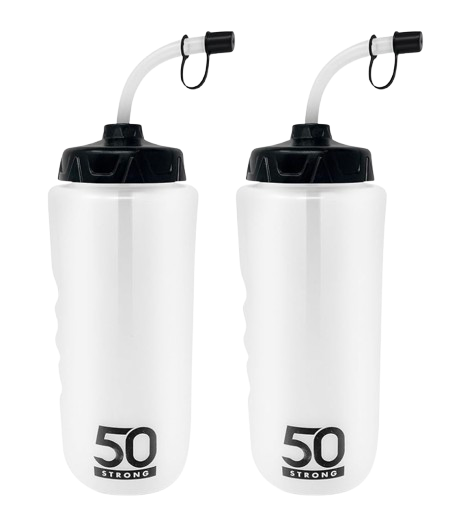
In the first few weeks, leaning up to sip water was challenging. So, a Water Bottle With a Long Straw really helped to keep unintended core flexing to a minimum, so that staying hydrated wasn’t a discouraging proposition. Definitely not the coolest-looking water bottles, but they’re lightweight and easy to maneuver.
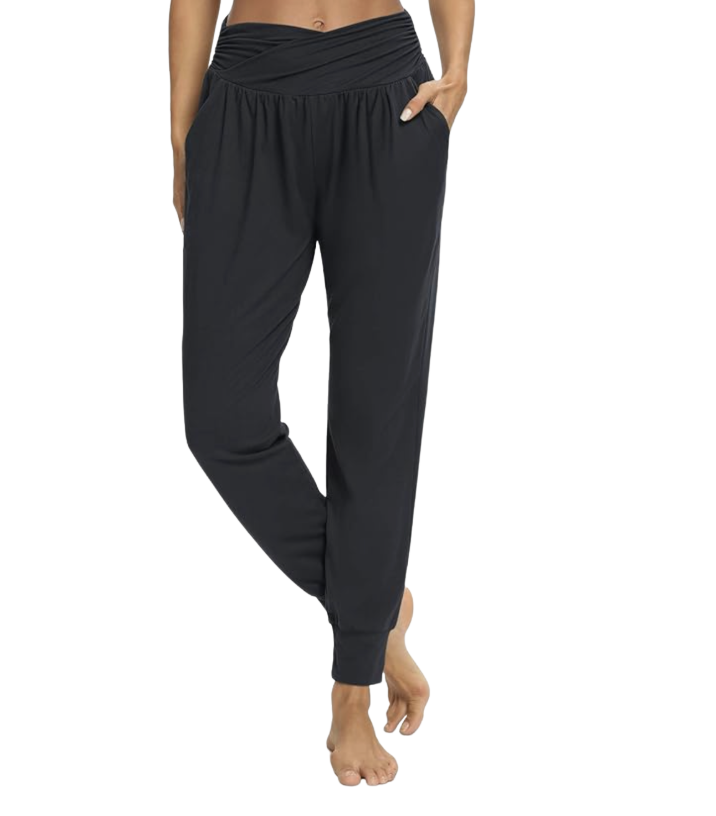
It’s true that I have never been so happy to have worn-in cotton pajama pants! The elastic waistbands of workout pants, and even my newer cotton pajama pants, have been way too tight and uncomfortable. I was gifted a pair of Soft Waistband Lounge Pants by our photographer, Jess, and these pants are one of the three pairs of pants I have been able to comfortably wear.
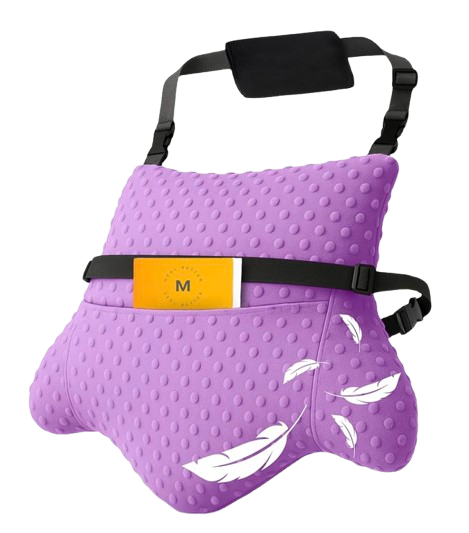
Another item in the care package from our photographer Jess was this Hysterectomy Pillow. It has pockets for hot or cold packs. This super soft pillow is comforting and it is great for keeping a seatbelt from cutting into your abdomen.
Your Questions, Answered – A Personal FAQ
I had a vaginal hysterectomy, which removed my uterus and cervix, leaving my ovaries intact. This means I have no external surgical incisions.
I spent the night of the surgery in the hospital, though I could have gone home if I wanted to. I elected to stay overnight in the hospital because I wanted the help from the nurses with pain medication. Also, I have three dogs that I was not prepared to be around (they like to climb all over me, LOL).
That first evening and night in the hospital were pretty uncomfortable. My pain was mostly at a 5, but it did creep up into 9-10 territory. Thankfully, the nurses were able to help get it back down to 5 and below. Since being home, the pain waxes and wanes; it feels like mild to moderate period cramps that are mostly calmed with ibuprofen.
For the first few days, my activity was only to walk to the bathroom, rinse off in the shower, and I would get up every couple of hours just to walk into the kitchen (thankfully, no stairs) and back to bed. At week 4, I am still not supposed to do anything strenuous, so no real exercising or stretching. Standing for long periods of time gets uncomfortable.
The fatigue. And my digestive system is still not back to normal. I expected spotting, but it can sneak up on you, and that can feel a bit scary. At week 4, I work on SAACA in the mornings, and I usually begin to fade around 1:00 PM. I’m adding a little more “out of bed” time each day — small wins that feel like real victories.
I am very excited to begin light stretching in about 1-2 weeks. In another 2-3 weeks, I can be back to my light weight training, yoga, and bike rides. I will know more about that after my 7-week post-op check-up with my OB/GYN.
I really am! Despite being on basic bed rest for weeks, the freedom and relief I feel are practically indescribable!
Closing Thoughts
Hysterectomy Recovery
I’m still healing. I still have days where I’m more tired than I’d like, and my body still doesn’t quite feel like mine yet. But I’m getting there.
If I’m being honest, one of the unexpected gifts of this experience has been the forced slowdown. I’ve spent most of my life in motion — always busy, always productive, always onto the next thing. These past four weeks have required me to just… stop. To let other people help. To trust that the world won’t fall apart if I rest. That’s not a lesson I would have chosen, but it’s one I probably needed.
And I’m already so relieved to know that all the years of unpredictable, painful periods are behind me. That freedom was worth the wait — and worth the recovery.
If you’re considering this surgery, facing it soon, or recovering right now — I see you. It’s okay to feel nervous, relieved, emotional, or all of the above. Give yourself grace. Stock up on soft pants. Let people take care of you. And know that you’re not alone.
I’d love to hear from you in the comments. Have you been through this? Are you considering it? What questions do you have? Let’s keep this conversation going — because if one in three of us will have this surgery, we should be talking about it a whole lot more.




Kelly, thank you for sharing your experince. You will help a lot of woman going through this. Hope you feel better soon.
Thank you so much, Michelle! I am definitely on the upswing! xo Kelly
Wow, that sounds very painful. It’s a tough call to make, but I totally understand why you did it. I suffered from horrible cramps and mood swings, so it was not something I looked forward to every month. The women in my family tend to have early menopause. Mine began in my early forties and it was miserable. I was finished by 46, and I was happy. No more pain, but it took a long time for my hormones to settle down. No more mood swings, which made my husband and children very happy. Thank you for the post. I think you may have helped a sizable number of women to make an obvious choice. Your honesty and candor didn’t sugar coat anything. Great job! In your position I’d have done the same.
Hello, Mari. Thank you so much for sharing your experience. Once one has passed child-bearing age, more options become available and I am so grateful for my understanding and supportive OB/GYN. I appreciate your support! xo Kelly
Hear you and am reliving the pain, fatigue, & frustration with you. At 32 my symptoms were caused from an IUD with major scarring that clued things together that shouldn’t be clued. I was a newlywed (2nd) of 3 mos. at the time. Recovery was difficult even at 32. I went back to work after 4 weeks. In the 1st week back the building my employer resided had a fire drill. We were on the 8th floor & had to walk down those 8 flights of stairs. After standing out in the cold for an hour we made it back to our office. By this time my boss took one look at me and sent me home in cab where I stayed for 2 weeks. So do take good care of you. If you try to do to much to soon you will pay for it. Hope this helps. Read, relax, listen to your fav music or perhaps binge watch shows you’ve been meaning to watch.
Hello Becky! I also had an IUD in my 30s and I do wonder how much damage it actually caused… Thank you for sharing your experience. I am so grateful that I work for Beth and SAACA, and that getting back to work has been on my healing schedule. Your description of the 8 flights of stairs and being in the cold – I feel the pain and discomfort you must have experienced! And, I promise you I have definitely been binge watching shows and catching up on all the reading and watching I usually don’t have time for! Thanks so much for writing in today. xo Kelly
I had an abdominal complete hysterectomy almost 6 weeks ago. I, too, was surprised by how much fatigue I had. But that is when your body is healing. And as one of my doctors told me, “Don’t kid yourself, you just had major surgery.” That did help me put things in a realistic timeline. Like you, I am very busy and used to going full-speed ahead. But as my Pilates instructor told me, “Honor your body.” So I have. The fatigue is much better now than 3 weeks ago. I still have 2 more weeks to go before I can return to my exercise classes. And if it’s too much, I am not going to beat myself up. I’ll be back eventually. From what other women have told me, it took them 6 months to return to their old selves. So now, I feel about 60% but am getting better each week. I hope your healing continues without issues!
Thank you for sharing this. There are so many topics that women should be talking about and sharing. This is one of them. I hope you are more ‘you” each and every day.
Thank you, Kelly!
You helped many women with this post. I am so glad that you are on the mend and beginning to feel more like yourself. Major surgery is a trauma to the body and mind.
You highlighted something so important when you talked about your support system. A support system is so important to healing completely.
My advice is rest, accept help, and catch up on what you’ve been meaning to or always wanted to but never found the time for.
Suzanne
Thank you, Suzanne. I have never had any surgery before so this whole thing has been a completely new experience. And you mention the mental aspect…I am still wrapping my head around it! Thank you so much for your support and advice, it is 100% well-received. xo Kelly
I hope you continue to heal well and feel comfortable! Thank you for being honest and informative. It’s hard to know what recovery is really like, so I appreciate your perspective.
Thank you so much for your support, A. xo Kelly
Hugs to you, Kelly! Thank you for sharing. I’ll be thinking about you and hoping for gentle days ahead… as someone who has had six ‘female’ surgeries (but not a hysterectomy), one point I might add: Don’t expect your body to really feel ‘itself’ for up to 6 months. It sounds like a long time, but putting it in that 6-month perspective has helped me relax and not get anxious if I have gotten “weird twinges” or things still don’t seem quite “normal.” Be good to yourself and accept the help from your loved ones. I am glad you have some great helpers nearby! Take good care (HEART)…we’re all sending positive vibes your way!
Thank you so much, Carolina Girl. It really helps to be reminded that “normal” will be different going forward. Love and Kisses to you, xo Kelly
I’m a 70 year old retired registered nurse that worked ICU and gynaecology for 35 years.
Expect to feel fatigue for up to 6 months as it is also a side effect of the anaesthetic you were given during surgery. They usually forget to mention that !
Hi Donna! Thank you for your professional insight. I think it has been the anesthetic that has my digestive system still in flux. It is a true side effect that they really downplay. Thank you again! xo Kelly
I’m glad you’re taking it slow! I had a vaginal hysterectomy last April, at age 68. I had a bladder prolapse, & suffered with it for a year, before being able to get the surgery scheduled! So I had quite a bit of repair work, as well. Twelve weeks of recovery, so I understand how difficult it is to not be able to do what you’re used to doing! I’m not one to ask for help & had to rely on my husband a lot, since we don’t have family nearby. I really didn’t have much choice, needed the surgery! Take care & listen to your body! You’ll be back, better than ever, soon!
Hello Vickie! Waiting a whole year to have the surgery sounds tough. When my mom had her hysterectomy 20+ years ago, she had to wait 5 years before her doctor would move forward with the procedure. I am glad we have medically, and societally, moved passed waiting so long to do these types of procedures. Thank you for sharing your experience, xo Kelly
I had my hysterectomy at the age 47. I had fibroids and I had a total one. I have a scar that goes from my bellybutton all the way down. I am 68 now. I was still working at the time. I was a high school cafeteria worker. I had 6 weeks of recovery and everything you wrote was so very true for me as well.
Do exactly what the Dr says and even after you see the Dr you will find you will still need to give yourself more time.
Take care and enjoy the down time.
Thank you, Cheryl. I am really trying to embrace the downtime. Thank you for your kind words of encouragement. xo Kelly
Much appreciated. Articulate insights to this procedure and all that it entails. My goodness! Thank you too, for sharing the importance of letting your body heal. Continued wishes for a healthy recovery to you.
Thank you so much for your support, B! xo Kelly
Thank you for sharing! I’m 68 and had no idea. We are taught to soldier on.
We are indeed, Catherine. Thank you for your support! xo Kelly
Kelly I have been through the same hysterectomy because I had cancer. I was 32. What a blessing it was and yes it forced me to slow down. I too, had severe bleeding, cramps and embarrassment. After my recovery, I was free from it all. God puts us in situations to make us stronger sometimes.
You are 100% correct, Sue. Thank you so much for sharing. It gives me tremendous comfort to hear about everyone’s experience. Thank you again, xo Kelly
Kelly – Thank you for sharing this important information. Blessings for a soft, comfortable recovery.
Thank you so much, Chris. xo Kelly
Things have come along way since I had an ovary removed. No such thing as a vaginal surgery, but that was about 53 years ago. I did not have a full hysterectomy but the pain was very real and I was put down for 8 weeks. But the good news for you is that you still have ovaries and that is best for your health. Yes I do understand that always being active is a problem with resting for your recovery as it was for me as I was only about 24 years old at the time. You are young still and strong and this will fade for you soon. Best of luck and prayers being sent to you.
Thank you so much, Julie! Isn’t crazy how common a hysterectomy is but we hear so little about them? Things have changed a lot in 53 years. I appreciate you sharing your hysterectomy story and experience. Thank you again xo Kelly
Yes, you are so right that it’s not talked about enough. At 55 after many years of fibroids, endometriosis, pain and bleeding that lasted 3 weeks out of a month I finally had what turned out to be a hysterectomy and both ovaries removed. Partially laparoscopy and vaginal. My surgeon said my ovaries were practically glued down with endometriosis which was also spread through my abdomen. Of course, I went into immediate menopause. The night after my surgery I woke up crying, disoriented and afraid. I had no idea what was wrong but the nurse said she knew exactly what the problem was and I was immediately given a hormone shot and felt normal again. I wish someone would have told me about this before my surgery. For years I had to stay on a low dose estrogen only patch which worked well but of course was not without controversy. And after I turned 65 my insurance would no longer pay for it so I paid out of pocket. Fast forward to age 71, I’m still on the patch, my doctor recommended I go off it because of upcoming hospitalization and surgery. So I did and stayed off the patch even though I had no risk factors. Gradually I started having problems with extreme vaginal dryness and recurring UTIs. After 7 years, now 78, I am still having this problem after seeing multiple doctors. I am on estrogen creams, low dose antibiotics which don’t help much. The peri-anal area is so delicate that I can only wear loose pants for a few hours a week. So I wear long dresses with long slips so nothing touches me to cause chafing. I have tried all kinds of chafing creams etc most of which make things worse. This is an ongoing journey to stay comfortable and healthy and I am thankful I don’t have anything worse but it is frustrating to know so many women face these problems and there are no good answers for us. If women have a choice about saving their ovaries I would advise them to do lots of research and have good discussions with their doctor to make an informed choice. I didn’t really have a choice.
Hello, Kathy. I am so sorry for all of the discomfort you’re experiencing. These are the issues that no one talks about, and insurances refuse to cover. Perhaps if we can make these very common health issues more known and talked about, we can shift the conversation to help women get the treatments (and coverage) they need. Thank you so much for sharing your experience. You are not alone. xo Kelly
Dear Kelly,
Wow, you have been through so much. Recovery after a major surgery is a slow process. I’m past Beth’s age, however I do remember my days with my menstrual cycle. Women do not have it easy.
You have such a great support team that have been looking after you. How kind and thoughtful of Jess to gift you the yoga relaxed around the waist pant to help ease anything around the waist. I’m addicted to comfortable pants. I went through a long period of time of not being able to handle anything around my waist. It’s good to know about these pants if I need anything like this in the future.
You always look wonderful in your clothes.
Good luck with your recovery. Thank you for sharing. This way your readers get to know the whole person.
Take TLC of yourself.
Thank you for your kind words of encouragement, Katherine. xo Kelly
Hi Kelly, It will get better, so continue to take care of yourself. I had my first surgery ever 2 years ago at age 70. It was a total hysterectomy with a long vertical incision. I had it due to fibroids. I was hospitalized for 2 days. I had the most difficulty getting in and out of bed, but after a few days I was able to do it more easily. Thanks to Google! I wore loose fitting pants for a few days, but I ordered a binder online and that helped immensely. Maybe it was because of the kind of surgery. Initially I walked everyday at home because my surgeon stressed the importance of walking. I returned to the gym and to yoga after 6 weeks. Thank you for sharing your experience. Wishing you continued healing!
Hello Mary Ann – it’s so encouraging to hear that you were able to get back to yoga after 6 weeks! I am dying to get back to my yoga routine! Thank you so much for sharing your experience. It means a lot to me. xo Kelly
I was about your age when I had the surgery. It was a good thing and freeing. However, I am glad to read you are taking your recovery seriously. I went back to work after 3 weeks and it was a mistake. I got pneumonia and ended up back in the hospital for a week and wow, that was a tough one. Much worse than the hysterectomy. Be gentle with yourself.
Thank you so much. Linda. It is super easy to get caught back up in our day-to-day. I appreciate you reiterating that the recovery takes time and that we have to be gentle with ourselves. xo Kelly
This could not have been a more timely post for me to read. My surgery is upcoming in two weeks, and while looking forward to putting the years of endometriosis, bloating, and pain behind me, I am still quite anxious and emotional about this. Thank you for your honesty and words of encouragement. I know I can get through this and hearing from you has helped. Thank you and feel better soon
Hello, Christine. Thank you so much for writing in… I can tell you for certain that the surgery itself is nothing to be scared of. Just speak up to the nurses about your pain and discomfort. You will be fine, I am sure. Take care of yourself, and if you don’t already have one, be sure to get a heating pad, it has (and today, still is) my best friend. Do write me to let me know how it all goes for you. kelly@styleatacertainage.com
All my best wishes, xo Kelly
I am so sorry you had to deal with this but happy you will be fine soon! Rest alot and take care of yourself.
Thank you so much, Bonnie! xo Kelly
Good information. And doing surgery at 50 instead of 70 is easier to recover from. You made a good choice.
If not too personal, are you choosing hormone therapy? I was a slug without it. The pill combination gave me migraines so I have quarterly implants which work well. My insurance does not cover, but I’ll buy fewer shoes if it comes to that.
Hello, Connie. I have both my ovaries so I will go through menopause naturally. But I have done some research into HRT, and should I need it, I am all for it. Let’s hope you won’t have to cut back on your shoe obsession! 🙂 I am also shoe-addicted! xo Kelly
Thanks for sharing a topic that will help so many. I had not realized the current stats. I had a total hysterectomy & appendectomy at 57, two years after menopause. Fortunately, the mucenous adenoma that prompted the surgery was benign. I never had problem periods or difficulty with menopause. And no pregnancies.
Recovery was challenging because I did have a large surgical incision vertically just below belly button south. The best advice — walk, walk, walk. At first it was just laps around a dining room table and first floor. Then baby steps around the driveway, working up to full streets and two miles by the time I had completed 5 weeks of leave. I did not really get back to targeted core exercising for several years. Once the incision had really healed, I applied a lot of lotion to my belly, which always had a pooch my entire life even at periods of significant fitness. I never had any significant hormonal consequences after surgery. I’m sure I have internal scar tissue but nothing that has been problematic.
Just keep with the mental stimulation, even if it takes a little longer for energy and movement to bounce back.
Hello, Susan. Your experience sheds a light on my situation that is super helpful – don’t rush the process. Thank you so much for sharing your story. It really does help me to put my own experience in perspective. xo Kelly
Great article. Thank you for sharing. My daughter is going through this same problem. This is very helpful..
Hi, Mimi. I hope your daughter gives herself the grace to take it slow. Thank you for writing in. 🙂 xo Kelly
Kelly,
Thanks so much for sharing your experience with a hysterectomy . Several months ago I decided along with my ob/gyn to have a hysteroscopy and d&c. It was the right decision for me which ruled out anything serious. Take care and continue to heal . Certainly sounds you are on the road to recovery 🥰 Lots of love to you!
Thank you, Nancy B. I so appreciate your encouraging words. xo Kelly
I also had very irregular & heavy 10 day periods.I had an abdominal hysterectomy 53 years ago at age 26. My uterus, cervix, & 1 ovary were removed. He left 1 in so I wouldn’t need meds. I was in the hospital 8 nights as I developed an UTI. At my 6 week checkup the doctor said I had had pneumonia. I had a positive recovery because 3 days before entering hospital we received our 4 week old adopted daughter. Of course my SIL had to care for her for a few days after I returned home.
You will have more energy and feel well. Here’s to a speedy & uneventful recovery. You’re on the home stretch.
Thank you, Lin, for sharing your experience. It sounds like you had a lot to handle once you got out of the hospital and I commend your resilience. thank you for your words of encouragement. xo Kelly
I had a complete abdominal hysterectomy at age 37 due to endometriosis. Best decision I ever made. The freedom to train for century bike rides & marathons without pain was indescribable. You will recover poco a poco, it takes time, but a slow recovery will be worth it in the end. I wish you health & healing, Kristine
Thank you, Kristine. I am already day dreaming about never having to fret or worry over my periods. Thank you so much for your insight and encouraging words. xo Kelly
Kelly, thank you for sharing your very personal story. This will be helpful for so many women! I haven’t had a hysterectomy, but I have had abdominal surgery. And, you are correct that is is uncomfortable and takes time to heal. All of your tips and suggestions are spot on. I hope you feel better soon. By the way, you certainly don’t look anywhere near 50!!!
Hello, Beth B. Firstly, thank you for your kind words. 🙂 And thank you so much for stopping by and sharing your thoughts and insight. xo Kelly
Kelly, first of all, wishing you a continued strong recovery.
Also – thank you so much for sharing and helping break the taboos. I think I’m a similar age to you (I was born in ’78) and I do think that one of the best things about us Gen X-ers is this breaking of the female taboos.
I know I’m the opposite of my mam in that I’m vocal about menopause, and that’s one that a lot of Gen-X women have been talking about more.
I’ve not needed a hysterectomy, but my 13 year old daughter was conceived via IVF and I was also a walking PSA about infertility as I was going through it and have been since. And miscarriage, after our attempts to give her a sibling failed.
This openness that you’re displaying makes such a huge difference in making others feel less alone. I can’t tell you how many times that I’ve had basically strangers (grad school classmates, fellow Orangetheory classmates) come up to me to talk about their experiences after I publicly talked about mine. Or just for them to hear us older women talk about our miscarriages for example – we can see the younger women listening in and we hope that if they ever have that experience, they’ll understand better that they’re not alone, and that they will recover, and that it’s ok to talk about.
I had no idea these figures and percentages, and am totally astounded. Absolutely something we should be talking more about, so again, thank you for being such a trailblazer.
Hello, Lindsey. You’re the same age as my younger sister. I 100% agree that we Gen-X women have a unique experience in that we are the generation to break the taboos of our mother’s generation when it comes to openly talking about the struggles women have dealt with for literally hundreds of years. Thank you so much for speaking up here, on SAACA. We have a supportive community where we can talk openly about all of the struggles women have at every age. Thank yu. again, xo Kelly
Take care of yourself, Kelly. Best wishes for your recovery.
Thank you, Deborah. xo Kelly
Dear Kelly, appreciate your transparency in sharing your recovery journey. I wish you a quick recovery.
BTW, your two ingredient cheese crisp was a a winner. I made them with my two granddaughters, age 6 and 4 once, and they now are able to make them on their own, and they love them.
Thank you for a super easy and delicious recipe.
Hi Vanessa! I am so happy the cheese crisps were a hit! They are the perfect recipe for kids to make. Thank you so much for your comment! xo Kelly
I completely understand your decision! I made the same decision myself, with my doctor’s full support. My last period lasted 63 days – but I didn ‘t fully realize how worn out I had become until after the surgery, when I was fully recovered…the increase in energy and outlook afterwards was incredible! Best wished to you, as you continue your healing process – you will not regret it!
Hello, Marlee. Wow! 63 days! I was upset about 35 days! Thank you so much for sharing your experience and good wishes. Your story gives me a light at the end of the tunnel. xo Kelly
I had a hysterectomy 26 years ago and it was the best decision I ever made for myself. You will be so happy you had the surgery once you completely recover. Congratulations on your new freedom!
Thank you so much, Donna! I really appreciate your insight. xo Kelly
So glad you’re on the mend! And, yes, women do need to keep talking about their health challenges. For too long we were made to believe that anything around our periods was an exaggeration or we were using PMS issues as an excuse to get out of things. It simply became easier nit to talk about it.
Thank you for sharing your story.
Hi Susy, I 100% agree with you. Periods are difficult and despite our modern times, there is still a taboo when it comes to menstruation. This is crazy to me. Not only that, but the fact that feminine products are expensive and unattainable for many women is unconscionable. Thank you for sharing your thoughts. xo Kelly
I had a vaginal hysterectomy when I was 32. I had a malignancy and had had an IUD for about a year. I had a three year old son and was unable to pick him up or do things with him for about six weeks. It hurt to make up beds or do anything like that for weeks. That was a lot of years ago, but you are wise to rest and heal before you resume all your normal activities,
Thank you, Cheryll. I can’t imagine having kids during this. My three dogs are a lot, and they’re just dogs. LOL. Thank you so much for your story, it helps me a lot. xo Kelly
I had a complete hysterectomy in the late ‘80’s due to endometriosis. I also had large, irregular periods that were very painful since the age of 10. I was 31 when I had my hysterectomy and it was the hardest surgery that I had (have had 7 surgeries) It sounds like they have greatly improved since I had mine, however. I was mostly a 10 in pain. Once I got home and rested, I felt a lot better. Have patience with yourself and be kind to yourself…you definitely deserve it!❤️
Thank you so much, Janet. This surgery has definitely progressed since the 80s. But it it still not a topic we talk about often enough. Thank you for sharing your story. xo Kelly
I had a laparoscopic hysterectomy just a few years ago. I’m now 68 but I had precancerous cells in my uterus. Sounds like my recovery was much easier than yours.. There was no bleeding and not much bloating. There was some pain where the tools went in, but my recovery was fairly quick. At 32, I had a C-section which was extremely painful and the recovery was slow with lots of bleeding. I’ll go laparoscopic on anything now!
Hi Madge, Thank you so much for sharing your experience. xo Kelly
I had a complete hysterectomy several years ago in my late 50’s. A strange thing though … I had absolutely no pain after the surgery. In fact, I felt so great that after being home and resting a couple of days I decided I would “clean-up” my closet a bit. I did some reaching, bending, and light lifting… boy did I PAY for it! I was definitely in pain afterwards! Lesson learned, I did a lot more resting!
I had the hysterectomy for similar reasons as yours and I can’t begin to describe how AMAZING AND FREEING it was to not worry about the heavy periods anymore! No more worrying about even sitting down in someone else’s home. Strangely, I didn’t realize that I actually wasn’t feeling that well prior to the surgery. I felt so much better after the procedure! No regrets.
Hi Gema, I totally relate to your experience. I had not realized how totally crappy I felt for all but a few day each month. And, like you, during this recovery, I have totally overdone it and paid for it in the days following. I am smarter about now though, and really force myself to lie down. LOL. Thank you for sharing your experience with us. xo Kelly
I’m 63 now but had a hysterectomy at 43 due to fibroids and heavy periods. It was the best decision for me. It was so freeing to be able to enjoy life without constant worry about bleeding, being anemic and always feeling tired. I hope the rest of your recovery goes smoothly and you enjoy your new freedom!
Dear, Marilyn. Anemia was one of my biggest problems. I had been bleeding for over 30 days at a time and I was so tired. Thank you for sharing your experience. xo Kelly
I had my hysterectomy when I was 32 years old. I had the complete hysterectomy when they performed it surgically.
Although I know technically things have changed a lot, still , a hysterectomy is much more difficult than one thinks.
I want you to know it does take time and you have given others outstanding advice. It’s a strange feeling and hard to describe, but you will feel so much better pretty girl.
It was difficult in many ways, but I’ve felt so much better ..
It does make us slow down which is a blessing I’m sure.
I’m sorry this was so long, but oh how I can relate to this and your post was perfectly stated.
Oh and I was told not to lift anything too heavy , but mine was a long time ago.
Take care of yourself and hope to see that pretty smile soon❤️
Hello, Jan. Yes, the lifting things has been my biggest challenge. How heavy is too heavy? My littlest dog is 9 pounds and he’s too much to lift! I so appreciate your advice and experience. xo Kelly
At 50 you are in menopause, why surgery now?🙈
Hi Ute, I was not in menopause yet. Perimenopause, sure. but my blood panel confirmed that I was still way off from actual menopause which is why I elected to have the hysterectomy. Thank you for your question. xo Kelly
Thank you for sharing your story. I did not have a hysterectomy but your recovery story was spot on for me. I wish someone would have told me about the reality of recovery both physical and mental. When I wasn’t up and back to normal after a couple weeks I developed anxiety. It was an awful time in my life that could have been prevented if someone would have warned me that surgical recovery is slow and affects your mind and body.
Thank You! Paula
Hello, Paula. I had never had surgery before, and I, like you, was not prepared for what it takes to recover. Thank you for sharing your experience; it gives me great solace. xo Kelly
Hi Kelly, thank you for sharing your experience. After suffering for decades with the same symptoms, and learning that I had endometriosis, I opted to have the same surgery, ovaries included. It is one of the best decisions I’ve made for my health and well-being. And the freedom!! For the first time in decades I fearlessly wore white jeans! It took me about 6-8 weeks to feel like myself and I had to learn to delegate. If I pushed myself too hard it really set me back the following day. Sending you healing wishes. And enjoy wearing white again!!
Thank you for sharing your experience, Monica. I still am trying to realize how much I am pushing myself, because I really do pay for it the day after. That said, I rejoice in the freedom I will have going forward! xo Kelly
Kelly, I had a hysterectomy in my early 50’s. Didn’t know anyone to talk to or what to expect. Your openness will undoubtedly help other women. Thank you for choosing to share your experience. I think you’ll notice a big change in how you feel in the next week or so. Take care!
Thank you so much, Jill.Your insight gives me solace. xo Kelly
Kelly you are awesome for speaking to so many of us about your experience! I had a partial hysterectomy at 29. Once healed I have never for one minute regretted making the decision with my gynaecologist to have this done. So many healthy, happy and feel good moments ahead of you. ( I am now headed for 71)
Thank you much for sharing your experience with us, Mary. xo Kelly
I’m so glad that you felt comfortable enough to bring this out. I had a total hysterectomy when I was 42. I had been experiencing horrible pain due to endomitrios (sp?) I was cut from my navel to my pubic bone. Interestingly enough the pain wasn’t as bad as I expected. I had a caesarian section years earlier and getting up and sitting down were really painful. The hardest part for me was my body trying to regulate. I had fevers, blurred vision, memory loss, mood swings, etc. It threw me immediately into menopause which I knew absolutely nothing about. My internal thermostat was totally off. I certainly did not miss the cramps and bloating, but the first several months were very difficult to say the least. I hope that you have a better experience and are feeling like your self soon.
Goodnight, Dottie. Your experience is indicative of how much things have changed. I am so sorry for your suffering. I have had a much less stressful experience. However, I completely relate and thank you so much for sharing your experience. xo Kelly
Dear Kelly,
Congratulations! You afforded yourself a gift, after years of misery, embarrassing moments, fatigue d/t excess bleeding, etc. I advocated for myself, saying no to a “bandaid” ablation; had same procedure as you, 15 years ago- NEVER regretted!!! My body provided gifted me children, including twins. Recovery was longer than expected, but mainly d/t impatience.
You’ll feel much better soon Best part- enjoy wearing white!!!
Like you my life was controlled & limited by heavy, unpredictable period. My surgery was abdominal since there was concern for a kidney issue. The recovery is definitely two steps forward then one step back if you are a doer.
All will be worth it at about six weeks.. I bought a white suit to celebrate.
Hi Nancy, thank you for sharing your experience. I have to say that you nailed it with the recovery part. I have had the same experience, as I approach the end of my 6 weeks, it’s been true right up to now, anyway. And, I too have been eying white pants as a celebratory gift to myself! Thanks again for sharing. xo Kelly