









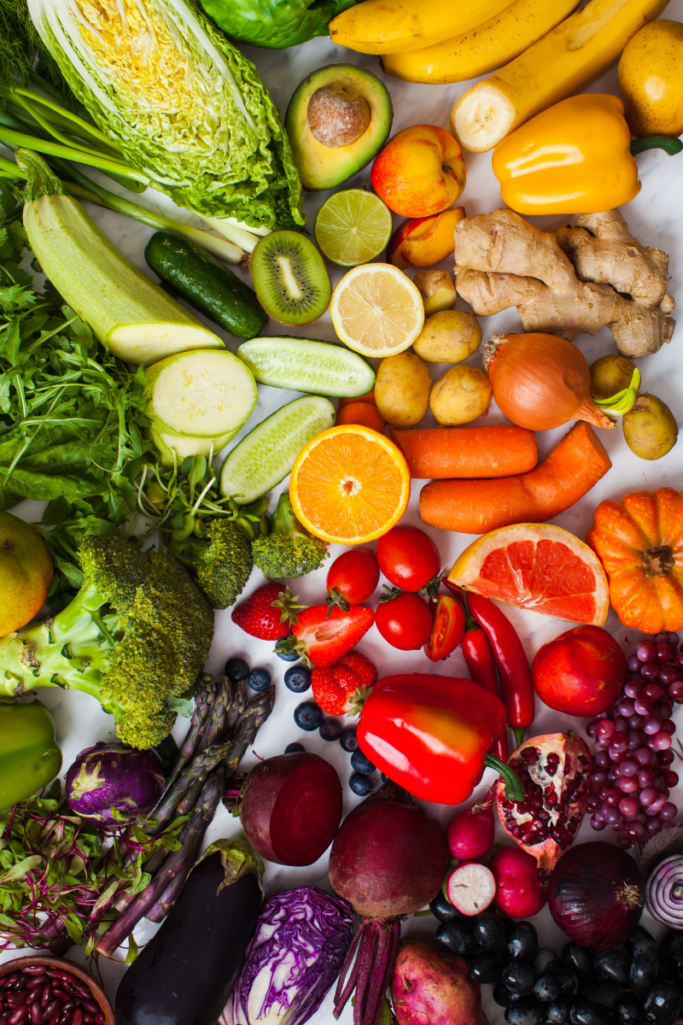
The best farmers market haul means nothing if half your produce wilts before you use it. The right storage tools—breathable produce bags, airtight containers, herb keepers—extend freshness by days or even weeks, preventing waste and making that investment in quality produce actually worth it.
What You’ll Find In This Post:
- 6 Storage and Prep Tools That Keep Produce Fresh Longer
- 1. The Breathable Produce Bags That Prevent Rot
- 2. The Salad Spinner That Actually Dries Greens
- 3. The Herb Keeper That Stops Wilting
- 4. The Airtight Container That Keeps Berries Fresh
- 5. The Vegetable Crisper Liner That Extends Shelf Life
- 6. The Avocado and Tomato Storage That Prevents Browning
- Mini FAQ
- More Produce Storage Ideas
6 Storage and Prep Tools That Keep Produce Fresh Longer
1. The Breathable Produce Bags That Prevent Rot
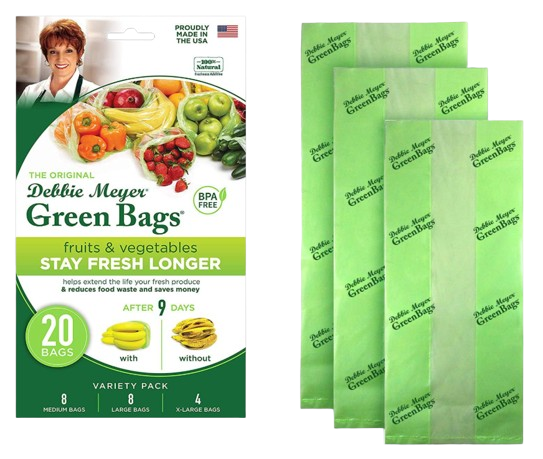
Debbie Meyer GreenBags (20-Pack)
These reusable green bags absorb ethylene gas (what makes produce ripen and spoil), extending the life of fruits and vegetables by up to 30%. Store berries, leafy greens, peppers, or tomatoes in these instead of plastic produce bags and they’ll stay fresh significantly longer. The bags are washable and reusable for months, making them more economical and eco-friendly than constantly replacing spoiled produce.
2. The Salad Spinner That Actually Dries Greens
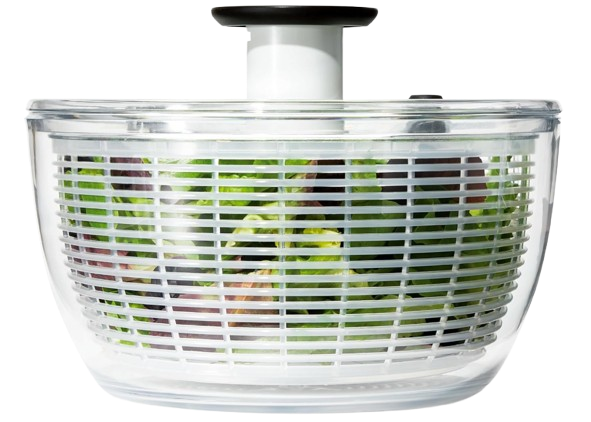
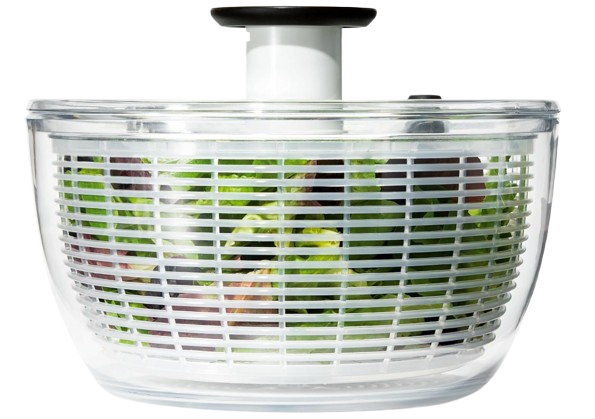
Wet greens wilt and rot quickly, and this salad spinner removes excess water so leafy greens stay crisp for days instead of turning to slime overnight. The pump mechanism is easier to use than pull-cord spinners, the brake button stops spinning instantly, and the bowl doubles as a serving dish. Properly dried greens stored in the spinner basket (with paper towels) last 5-7 days instead of 2-3.
3. The Herb Keeper That Stops Wilting
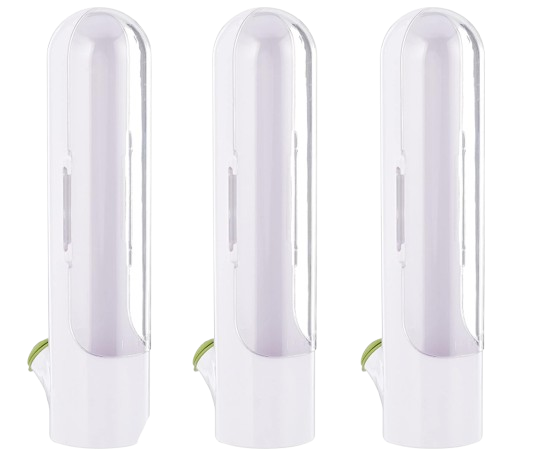
Prepara Herb Savor Pods (Set of 3)
Fresh herbs from the farmers market are expensive and wilt within days if stored wrong. This herb keeper holds herbs upright in water (like a vase) while the vented cap maintains proper humidity, keeping basil, cilantro, parsley, and mint fresh for 2-3 weeks instead of days. It fits in refrigerator doors, takes up minimal space, and prevents the “$4 bunch of cilantro that wilted before I used it” waste.
4. The Airtight Container That Keeps Berries Fresh
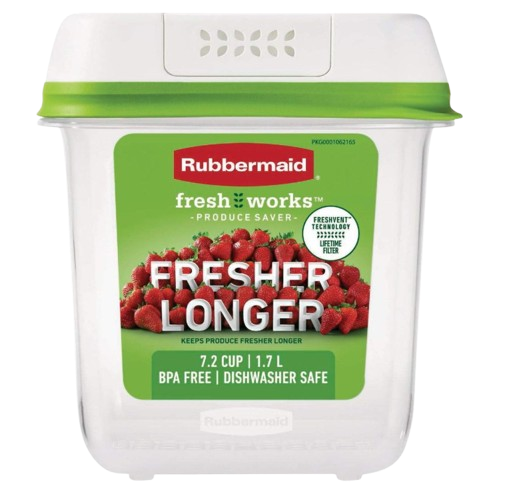
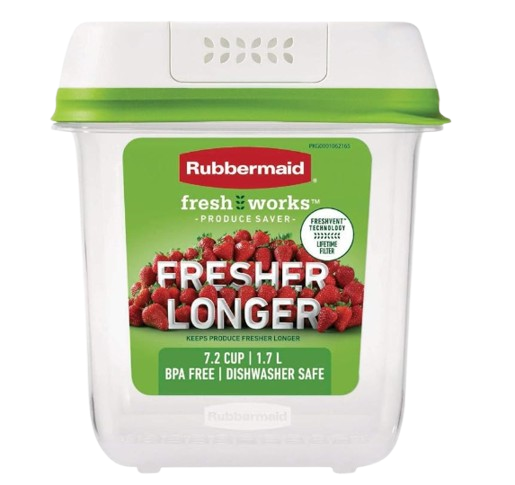
Rubbermaid FreshWorks Produce Saver
These containers have built-in filters and elevated bases that regulate airflow and prevent moisture buildup—the two main causes of berry mold and decay. Store strawberries, blueberries, raspberries, or blackberries in these instead of their original containers and they’ll last 7-10 days instead of 3-4. The containers are dishwasher-safe, BPA-free, and the investment pays for itself after preventing just a few cartons of moldy berries.
5. The Vegetable Crisper Liner That Extends Shelf Life
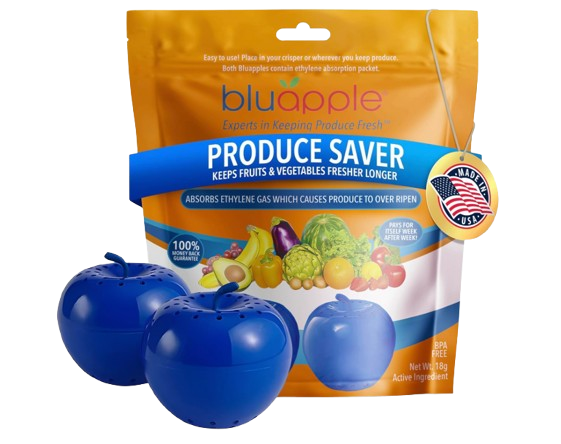
Bluapple Produce Freshness Balls
These absorb ethylene gas and moisture in your refrigerator crisper drawer, creating the ideal environment for vegetables and extending freshness by weeks. The balls actively absorb the gas that causes ripening and decay. Replace the packets every 3 months and suddenly your farmers market vegetables actually last until you use them instead of turning to mush mid-week.
6. The Avocado and Tomato Storage That Prevents Browning
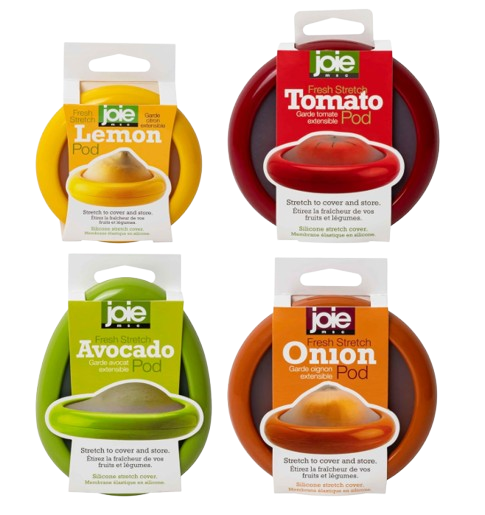
Joie Avocado Huggers and Food Huggers
Half an avocado or tomato left uncovered browns and dries out within hours. These silicone huggers create an airtight seal around cut produce, preventing oxidation and keeping them fresh for 3-5 days. They come in multiple sizes to fit different produce, they’re reusable and dishwasher-safe, and they prevent the waste of throwing away half-used produce because it went bad too quickly.
Why Proper Storage Matters
The waste problem:
Americans throw away 30-40% of produce purchased, often because it spoiled before being used. Proper storage dramatically reduces this waste.
The money justification:
Farmers market produce costs more than grocery store produce. Extending shelf life by even a few days makes the premium price worth paying.
The meal planning reality:
You can’t plan meals around produce that’s wilting and browning. Fresh produce that lasts means you actually use what you bought.
The flavor factor:
Properly stored produce maintains flavor, texture, and nutritional value. Wilted, decaying produce loses all three.
The Produce Storage Strategy
Wash and dry immediately:
Clean produce as soon as you get home, dry thoroughly (especially greens), then store in appropriate containers. Wet produce rots faster.
Separate ethylene producers:
Keep apples, tomatoes, and bananas (high ethylene producers) away from lettuce, berries, and cucumbers (ethylene-sensitive). Or use containers that absorb the gas.
Use breathable storage for most vegetables:
Carrots, peppers, celery, broccoli do well in breathable produce bags in the crisper drawer.
Airtight for berries:
Moisture control is key for berries—airtight containers with ventilation prevent both drying out and mold.
Water for herbs:
Treat herbs like flowers—stems in water, leaves above, light covering to maintain humidity.
Mini FAQ
Yes for greens (wash, dry thoroughly, store), no for berries (wash right before eating—washing accelerates mold). For other produce, it depends on how soon you’ll use it.
Counter until ripe, then refrigerator in a breathable container or bag. Never refrigerate unripe tomatoes—it stops ripening and ruins flavor.
Cut avocados: use avocado huggers or store cut-side down in water in an airtight container. Whole avocados: counter until ripe, then refrigerator to slow further ripening.
Yes, if you regularly buy high quality produce or goods from the farmers market. They pay for themselves quickly by preventing waste.
Carrots, beets, cabbage, apples, winter squash—all can last 2-4 weeks or longer. Berries, leafy greens, and herbs are most perishable but proper storage extends their life significantly.
✨ Beth’s Take: The Storage Tools That Stopped the Waste
I loved going to the farmers market but hated how quickly my haul would wilt, brown, or mold. I’d buy beautiful strawberries on Saturday and they’d be fuzzy by Wednesday. The bunch of cilantro I paid $4 for would be slimy by the time I remembered to use it. I was wasting money and produce, which made the farmers market feel like an expensive indulgence I couldn’t justify.
Then I invested in proper storage—the Rubbermaid FreshWorks containers for berries, the herb keeper for cilantro and basil, the salad spinner and breathable bags for greens. The difference was immediate and dramatic. Berries lasted a full week, herbs stayed fresh for two weeks, and my salad greens were crisp for 5-6 days instead of wilting overnight.
Now the farmers market actually makes financial sense. I’m not throwing away half of what I buy, which means the premium price for quality produce is justified. And I can meal plan knowing my vegetables will still be fresh mid-week. These storage tools cost about $100 total but have saved me easily triple that in preventing waste over the past year.
More Produce Storage Ideas
For more produce storage and display ideas, check out Farmers Market Finds: Stylish Ways to Store & Display Produce—these functional tools pair beautifully with attractive presentation. And for outdoor dining with fresh ingredients, browse Pack It Perfectly: Stylish Food Storage for Summer Picnics & Outdoor Dining.
Closing Thoughts
Keep Your Farmers Market Haul Fresh
The right storage and prep tools keep produce fresh longer—breathable bags for vegetables, airtight containers for berries, herb keepers for fresh herbs, salad spinners for greens, crisper liners for extended drawer life, and silicone huggers for cut produce. Wash and dry produce immediately, separate ethylene producers from sensitive items, and use appropriate storage for each type. Your farmers market investment will actually last until you use it instead of ending up in the compost bin.





LEAVE A COMMENT