





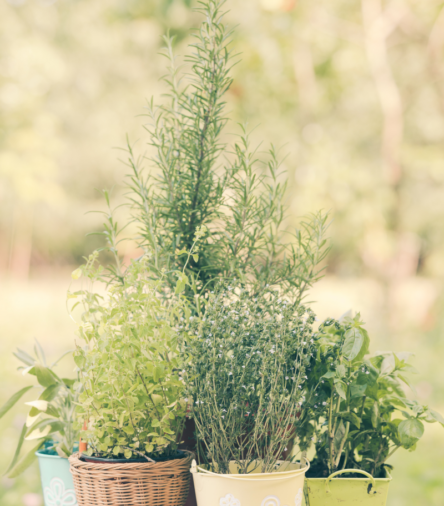




A herb garden is the spring project with the highest return on the smallest investment of space. You do not need a yard. You do not need raised beds or a plot of soil or a particularly green thumb. You need a windowsill with reasonable light, a few good pots, and the right herbs — ones that are forgiving, fast-growing, and useful enough in the kitchen that you’ll actually tend them. The fresh herbs you clip directly into whatever you’re cooking taste categorically different from what comes in a plastic clamshell from the grocery store. That difference alone is worth starting. Here’s exactly how.
What You’ll Find In This Post:
- 7 Products That Make a Small Herb Garden Actually Work
- 1. The Self-Watering Planter That Forgives Forgetfulness
- 2. The Grow Kit That Starts You on the Right Herbs
- 3. The Terracotta Pots Worth Having for a Windowsill Garden
- 4. The Potting Mix That Gives Herbs the Right Start
- 5. The Herb Scissors That Make Harvesting a Pleasure
- 6. The Liquid Fertilizer That Keeps Container Herbs Productive
- 7. The Grow Light for Low-Light Spaces
- Mini FAQ
- More Kitchen and Garden Inspiration
- Before You Go…
7 Products That Make a Small Herb Garden Actually Work
1. The Self-Watering Planter That Forgives Forgetfulness
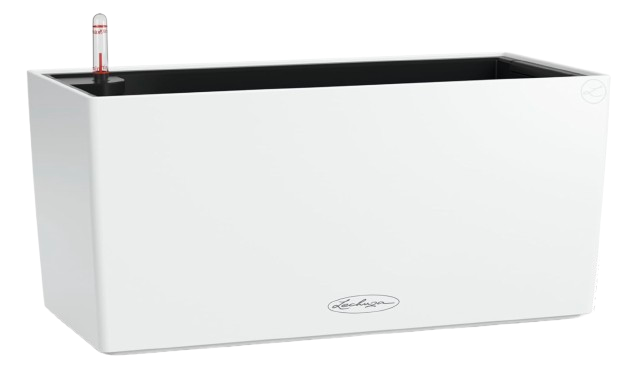
Lechuza Balconera Self-Watering Planter
The number one reason herb gardens fail is inconsistent watering — too much, too little, or simply forgotten. The Lechuza self-watering planter solves this at the root level: a built-in reservoir holds water at the base, and the plants draw what they need through wicking action rather than waiting for you to remember. Fill the reservoir once a week and your herbs are consistently hydrated without the anxiety of daily checking or the damage of overwatering. The long, rectangular shape fits a windowsill or balcony railing beautifully and holds four to six herb plants in a single planter. Available in clean, muted colors that look intentional rather than utilitarian. This is the planter for anyone who wants a successful herb garden without turning into a person who thinks about soil moisture.
✨ Beth’s Take: The self-watering mechanism is the feature that makes this worth the price difference over a basic terracotta pot. I have killed more herb gardens by forgetting to water during a busy week than by any other cause. The reservoir gives you a five-to-seven day buffer that changes the outcome completely.
2. The Grow Kit That Starts You on the Right Herbs
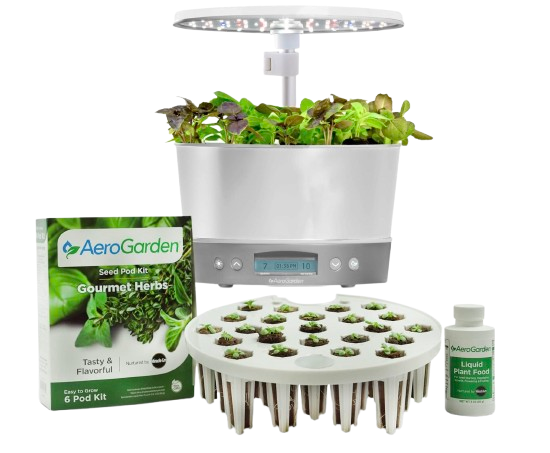
AeroGarden Harvest Indoor Garden with Seed Pod Kit
For anyone starting completely from scratch — no pots, no soil, no seeds — the AeroGarden Harvest is the system that removes every barrier between intention and growing herbs indoors. The hydroponic setup requires no soil at all: seed pods sit in the growing deck, roots draw nutrients from the water reservoir below, and the built-in LED grow light provides the full-spectrum light that indoor herbs need regardless of your window situation. The included six-pod Gourmet Herb kit starts you with basil, parsley, dill, thyme, mint, and Thai basil — all the herbs worth having in a kitchen. Germination happens in days. Harvest begins in three to four weeks. It sits on a countertop, plugs into an outlet, and requires nothing except refilling the reservoir every week or two.
✨ Beth’s Take: The AeroGarden is the herb garden for people who don’t entirely trust themselves with soil yet. The LED light means it works even in a dark kitchen, the hydroponic system eliminates the overwatering problem, and watching things actually germinate and grow is unexpectedly motivating. This is the one I’d recommend to anyone who has failed at an herb garden before and wants to understand why before trying again.
3. The Terracotta Pots Worth Having for a Windowsill Garden
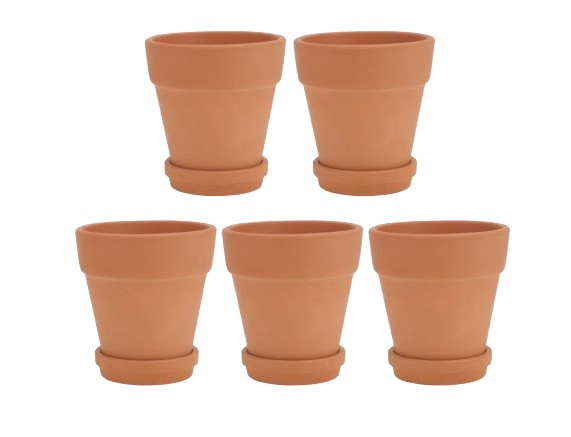
Terracotta Pots with Drainage Holes — Set of 5
If you have good natural light and prefer a more traditional approach, terracotta pots are still the best vessel for herbs — the porous clay regulates moisture and air at the root level in a way that plastic pots don’t, which means healthier roots and more forgiving conditions for overwatering. This set of five comes in a range of sizes with matching saucers, drainage holes already drilled, and a clean, warm terracotta finish that looks properly intentional on a windowsill. Line them up with one herb per pot — basil, rosemary, thyme, mint, and chives is a perfect starting five — and you have a kitchen herb garden that looks as good as it performs.
✨ Beth’s Take: Individual pots per herb is the move over mixed planters, for one practical reason: different herbs have dramatically different water needs. Basil wants consistent moisture. Rosemary and thyme prefer to dry out between waterings. Mint needs containment or it takes over everything. Separate pots let you water each plant on its own schedule without compromise.
4. The Potting Mix That Gives Herbs the Right Start
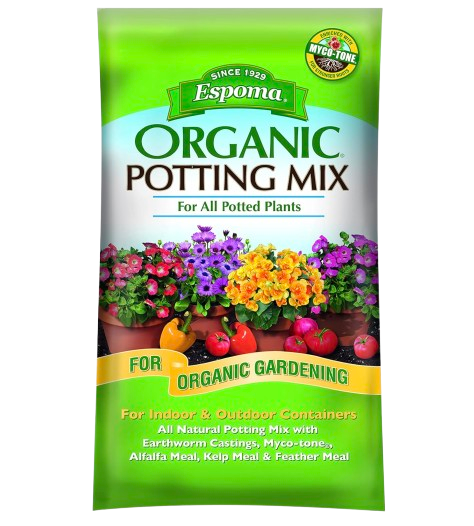
Herbs are not fussy plants, but they are particular about one thing: drainage. Soil that holds too much moisture leads to root rot, which is the second most common reason herb gardens fail after inconsistent watering. The Espoma Organic Potting Mix is formulated specifically for container gardening with a blend that retains enough moisture to keep plants hydrated between waterings while draining freely enough to prevent waterlogging. It’s OMRI-listed organic, which matters if you’re growing herbs for cooking — you want to know what’s in the soil your food is growing in. Use it to fill your terracotta pots and refresh any existing containers whose soil has compacted over previous seasons.
✨ Beth’s Take: Do not use garden soil in containers. It compacts, drains poorly, and will defeat an otherwise healthy herb plant within a few weeks. A quality potting mix makes the difference between herbs that thrive and herbs that sulk and eventually give up.
5. The Herb Scissors That Make Harvesting a Pleasure
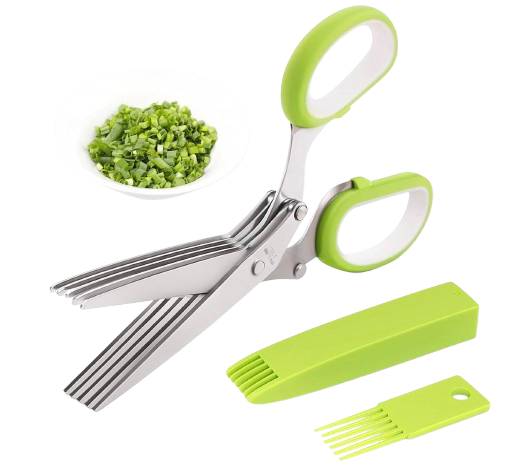
Here is the small tool that makes using your herb garden dramatically more likely: scissors designed specifically for herbs, with five parallel blades that cut and shred in one motion rather than requiring a cutting board, a knife, and a separate chopping step. Clip directly from the plant into the pan, the salad bowl, or the serving dish — no intermediate steps, no wasted herbs left on a cutting board. The five-blade design creates a proper chiffonade of basil or fine cut of chives in the time it takes to reach for a knife. They come apart for washing, fit in a utensil drawer without drama, and are the kind of tool you’ll use every single time you cook once you have them.
✨ Beth’s Take: The herb scissors are the tool that closes the gap between “I have a herb garden” and “I actually use it.” When harvesting fresh herbs is as fast as grabbing the dried ones from the spice drawer, you stop reaching for the dried ones. That’s the entire upgrade.
6. The Liquid Fertilizer That Keeps Container Herbs Productive
Fox Farm Grow Big Liquid Concentrate Fertilizer
Container herbs have one disadvantage over garden-grown herbs: the nutrients in potting mix deplete over time since there’s no surrounding soil to replenish them. A liquid fertilizer added to watering every two to three weeks replaces what regular harvesting and watering remove. The Fox Farm Grow Big formula is specifically designed for the vegetative growth phase — which is exactly what you want from herbs — and the liquid concentrate dilutes into your watering can easily. Herbs fed this way stay productive significantly longer than unfed container plants, which tend to bolt (go to seed and stop producing useful leaves) or simply become sparse and stingy. A little goes a long way — one bottle lasts a full season.
✨ Beth’s Take: The fertilizer is the step between “my herb garden started well” and “my herb garden is still going strong in August.” Most people skip it and then wonder why their basil is yellowing by June. Feed the plants and they keep feeding you. That’s the deal.

7. The Grow Light for Low-Light Spaces
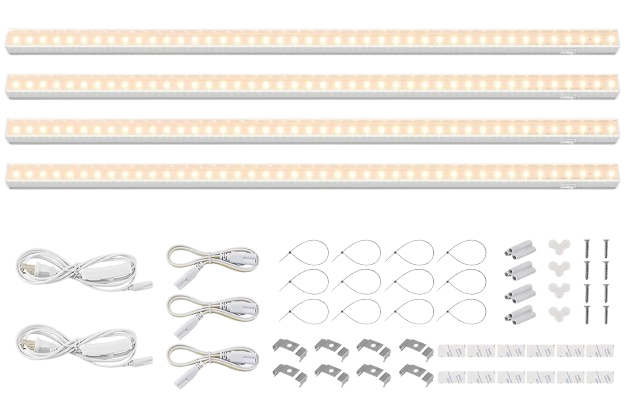
Barrina T5 Grow Light — 2ft, 4-Pack
South-facing windows are the dream for an indoor herb garden. Not everyone has one. For east or west-facing windows that get only a few hours of direct sun, or for countertop placement away from windows entirely, a grow light is the difference between herbs that survive and herbs that thrive. The Barrina T5 LEDs are the most efficient and affordable option in this category: full-spectrum light, linkable design so you can daisy-chain multiple fixtures, and an ultra-slim profile that mounts under a cabinet or shelf with the included clips. Run them 12 to 14 hours a day (a simple outlet timer handles this automatically) and your herbs will grow as if they’re in a south-facing greenhouse. Worth every penny for anyone working with limited natural light.
✨ Beth’s Take: A grow light feels like a commitment until you price one out and realize it’s a $35 decision that removes the single biggest variable in indoor herb gardening. If you’ve failed at windowsill herbs before and you don’t have strong south-facing light, the grow light was probably the missing piece. Add a simple outlet timer so you never have to think about turning it on or off.
The Five Herbs to Start With
Basil. The most useful, the most rewarding, and the most demanding — basil wants warmth, consistent moisture, and full sun. Clip from the top to encourage bushy growth and prevent bolting. Indispensable for pasta, salads, and anything Mediterranean. Grows best in the AeroGarden or a warm south-facing windowsill.
Chives. The most forgiving herb in this list. Chives tolerate lower light, inconsistent watering, and general neglect better than anything else on the windowsill. Snip with scissors directly into eggs, potatoes, soups, and salads. They come back reliably after every harvest.
Mint. Grow mint alone — always in its own pot, never with other herbs — because it will take over any shared space within a season. Contained, it’s one of the most productive herbs you can grow: fast-growing, fragrant, and endlessly useful for teas, cocktails, and anything that benefits from a fresh note. Tolerates lower light.
Rosemary. The herb that requires the least attention. Rosemary prefers to dry out between waterings, tolerates drought, and rewards neglect more than any other culinary herb. Clip sprigs for roasted vegetables, chicken, focaccia, and anything savory. In a sunny window, it grows slowly but reliably.
Flat-Leaf Parsley. The workhorse of the kitchen herb garden — finishing everything from pasta to grain bowls to roasted fish. Parsley grows more slowly than basil but more reliably, and it tolerates partial shade better than most culinary herbs. For recipes like Kelly’s Greek Pasta with Tuna, fresh parsley is one of the two herbs that makes the dish — the dried version simply doesn’t deliver the same result.
How to Keep Your Herb Garden Alive Past June
Harvest regularly. The single counterintuitive truth about herbs: the more you harvest, the more they produce. Cutting encourages bushy new growth. Letting herbs grow unchecked encourages bolting — going to seed — at which point the leaves become bitter and production stops. Clip at least once a week even if you don’t need the herbs for cooking.
Water at the base, not the leaves. Wet leaves encourage fungal disease. Water directly at the soil level and allow the leaves and stems to stay dry. For the AeroGarden this is handled automatically; for potted herbs, aim at the soil rather than overhead.
Watch for the first signs of bolting. When basil starts producing tall flower stems, pinch them off immediately. Once basil is allowed to flower, it redirects all its energy to seed production and the leaves become sparse and increasingly bitter. Pinching flower stems weekly during warm months extends a productive basil plant by months.
Rotate pots toward the light. Plants grow toward their light source, which means a pot sitting in a window will lean dramatically toward the glass within a few weeks. Quarter-turn the pots every week to keep growth even and prevent the lopsided, stretching plants that indicate insufficient light.
Repot when roots start circling. When you see roots coming out of the drainage holes, the plant has outgrown its container. Move it up one pot size — not dramatically larger, just one step up — with fresh potting mix and a dose of fertilizer. This can extend a productive herb plant through the whole season.
Mini FAQ
Chives. They tolerate low light, inconsistent watering, and general inattention better than any other culinary herb, and they’re genuinely useful in the kitchen. If you’ve failed at herbs before, start with chives and build confidence before adding basil.
Buying starter plants from a garden center or grocery store is the faster, easier path for a first herb garden. Seeds work beautifully in the AeroGarden system where germination conditions are controlled, but in pots, starter plants give you a four-to-six week head start and a much higher success rate.
Most culinary herbs want six or more hours of direct sunlight per day. South-facing windows typically provide this; east and west-facing windows provide three to four hours, which works for mint, chives, and parsley but struggles to support basil and rosemary. North-facing windows need a grow light. When in doubt, add a grow light.
With a grow light, yes — the AeroGarden system is specifically designed for year-round indoor growing. With only natural light, spring through early fall is the productive season. Rosemary and chives will survive winter in a sunny window; basil will not.
Move them closer to the light source, add a grow light, or rotate them more frequently. Legginess means the plant isn’t getting enough light and is stretching toward whatever is available. It’s a correctable problem, not a sign that the plant is dying.
✨ Beth’s Take: The Windowsill That Changed How I Cook
I planted my first herb garden on my kitchen windowsill three springs ago with no particular plan — just a basil plant from the grocery store and good intentions. The basil died in two weeks. I replanted. It died again. On the third attempt, I finally understood why: my kitchen window faces northeast and basil needs more sun than that.
The grow light was the solution I resisted for a full season because it seemed like an overcorrection for what should be a simple project. It wasn’t an overcorrection. It was the missing piece. Once I added a small Barrina fixture under the upper cabinet, the basil grew, the chives thrived, and the parsley I added later became the most-used ingredient in my kitchen. Fresh parsley clipped directly into pasta, grain bowls, eggs, and salads is a genuinely different ingredient than the dried version — and having it on the counter means I actually use it, which is the whole point.
The herb scissors closed the last gap. When harvesting means one snip over the pan rather than a cutting board and a knife, it happens every time you cook rather than only when you planned ahead. That small shift changed my cooking more than any cookbook or technique.
More Kitchen and Garden Inspiration
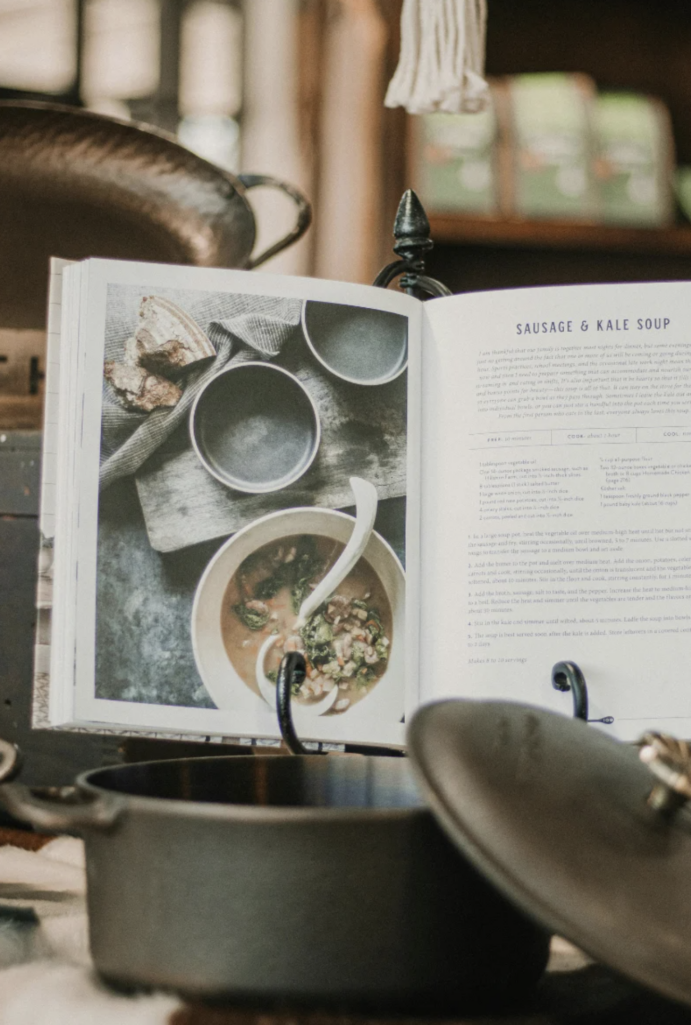
For more spring kitchen and home finds worth knowing about, 12 Spring-Ready Amazon Finds Under $50 has the roundup of accessible, well-chosen additions that fit any space and any budget. And for the cookbook side of building a kitchen that inspires you to cook — and use all those fresh herbs — Curate Your Cookbook Collection: A Strategic Guide for Every Home Cook is exactly where to go next.
Closing Thoughts
Start Your Spring Herb Garden Now
You don’t need a yard, a raised bed, or a particularly green thumb. You need a container with drainage, the right potting mix, the five herbs worth starting with, and enough light — natural or supplemented. Clip regularly, water consistently, feed every two weeks, and the herb garden that has felt like a future project becomes the thing on your counter that makes dinner taste better every night. Start this weekend. The basil won’t wait much longer.
Before You Go…
Today is the first day of Amazon’s Big Spring Sale! I have a curated list of today’s deals, so head over to my Storefront to see my Day 1 Picks!





LEAVE A COMMENT