











Upgrading your cutting board, chef’s knife, and core cookware transforms cooking more than any recipe—quality tools make prep faster, cooking easier, and results more consistent. Invest in the three things you use every single time you cook, not the gadgets you’ll use twice.
What You’ll Find In This Post:
The Three Kitchen Upgrades That Actually Matter
Part 1: The Cutting Board That Changes Prep Work
You use your cutting board for literally every meal you cook. A good one protects your knives, stays put while you work, and lasts for years. A bad one dulls your blades, slides around dangerously, and warps after three months.
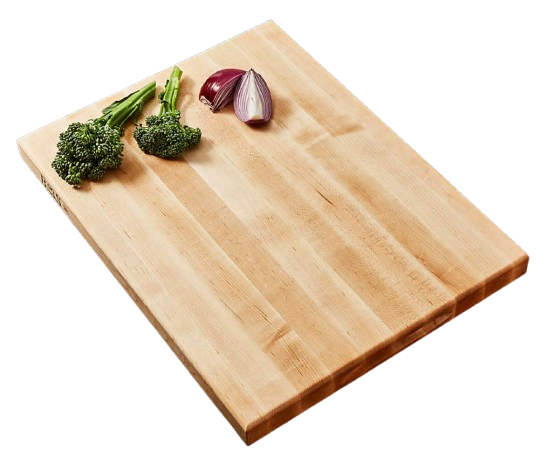
John Boos Maple Wood Edge Grain Cutting Board (20×15 inches)
This is the wood cutting board professional chefs use at home—thick maple that’s gentle on knife edges, large enough for actual meal prep (not just chopping one onion), and reversible so you get double the life. Wood is naturally antimicrobial, develops a beautiful patina, and when properly maintained lasts decades. The 20×15 size is the sweet spot—big enough to work comfortably, small enough to fit in most sinks for washing.
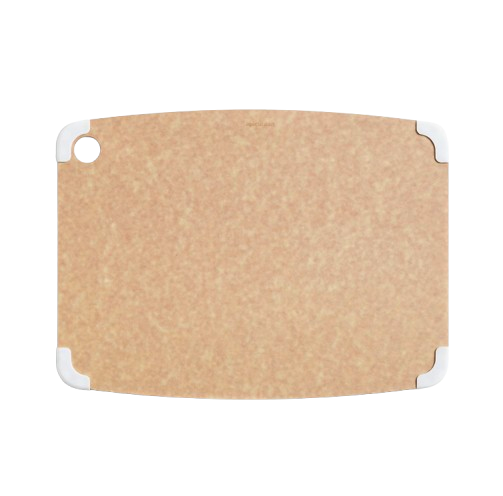
Epicurean Kitchen Series Cutting Board (17.5×13 inches)
If you want low-maintenance over traditional wood, this composite board (made from compressed wood fibers and resin) is dishwasher-safe, won’t warp or crack, and is gentler on knives than plastic. The non-porous surface doesn’t absorb odors or bacteria, and the textured surface keeps food from sliding. It’s lighter than wood (easier to move around), heat-resistant (you can put hot pans on it), and comes in multiple colors if you want to color-code for meat, vegetables, etc.
Part 2: The Chef’s Knife Worth Investing In
A good chef’s knife is the single most important tool in your kitchen. You’ll use it for 90% of cutting tasks, and the difference between a quality knife and a mediocre one is immediately obvious—better control, less fatigue, cleaner cuts, faster prep.
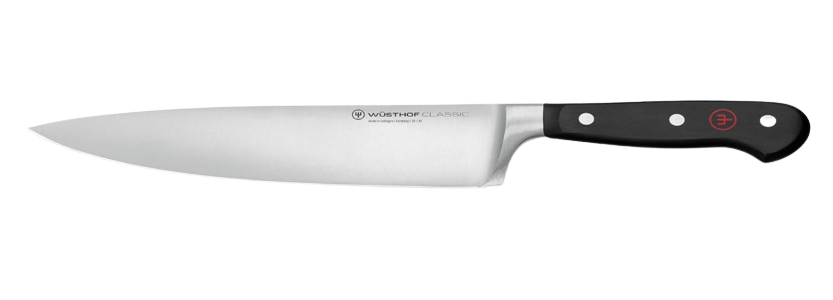
Wüsthof Classic 8-Inch Chef’s Knife
This is the workhorse knife—full-tang German steel (the blade runs through the entire handle for balance and durability), triple-riveted handle for secure grip, and the weight and heft that makes cutting feel effortless instead of work. The 8-inch length is versatile for everything from mincing garlic to breaking down chicken. Properly maintained, this knife lasts 20+ years.
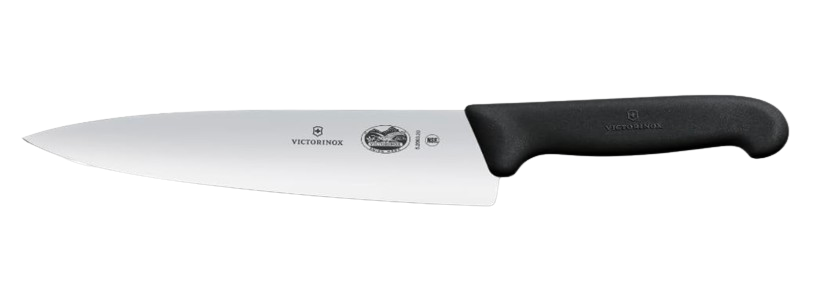
Victorinox Fibrox Pro 8-Inch Chef’s Knife
This is the knife professional cooks actually use in restaurant kitchens—lightweight, sharp, comfortable, and when it eventually needs replacing, you won’t cry over the $50 investment. The Fibrox handle is slip-resistant even when wet, the blade is stamped stainless steel (lighter than forged), and it comes scary-sharp out of the box.
Part 3: The Essential Cookware You Actually Need
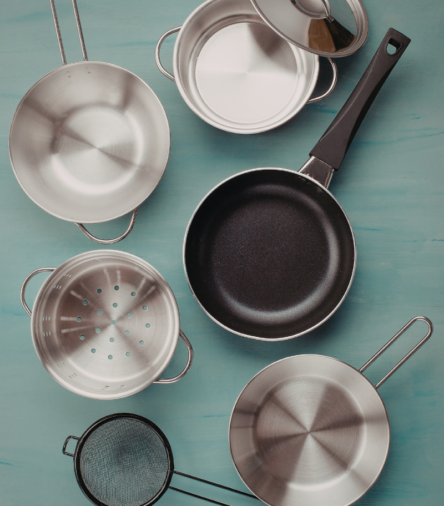
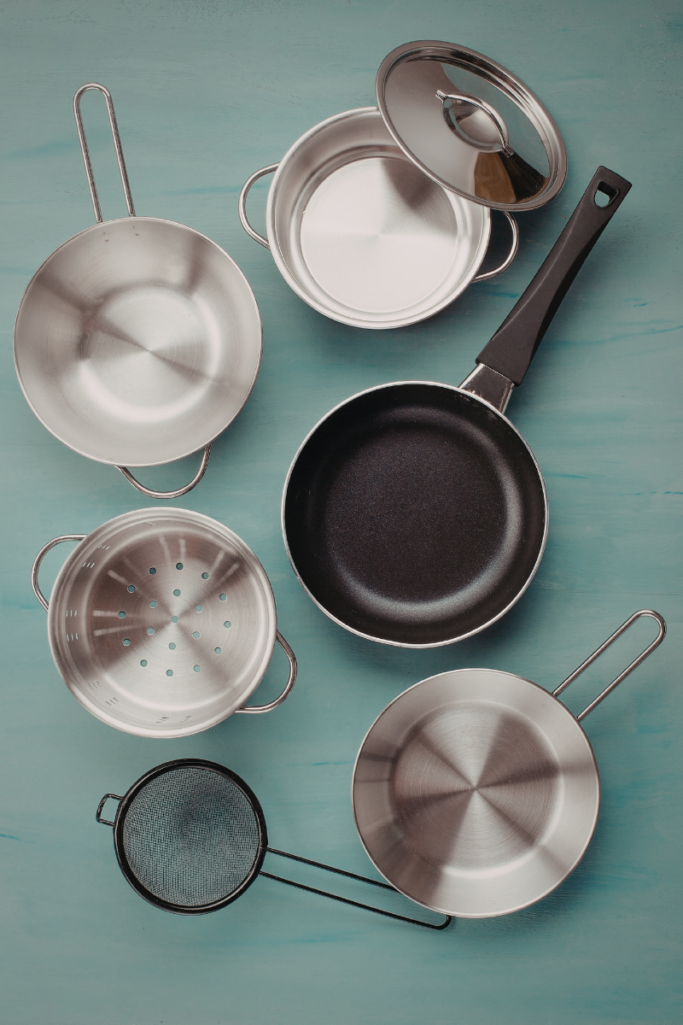
Skip the 12-piece matching sets. Buy quality individual pieces in the materials that work best for each cooking task. Three excellent pans beat twelve mediocre ones.
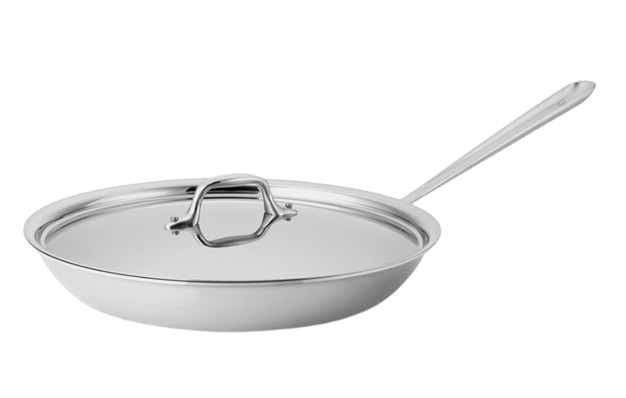
All-Clad D3 Stainless Steel 12-Inch Fry Pan
This is your workhorse pan—stainless steel interior (develops fond for pan sauces, handles high heat, works with metal utensils), aluminum core (distributes heat evenly), induction-compatible, and genuinely indestructible. The 12-inch size handles family-sized portions, and the flared sides make flipping and stirring easy. Use for searing meat, sautéing vegetables, making pan sauces, deglazing—anything where you want high heat and browning.
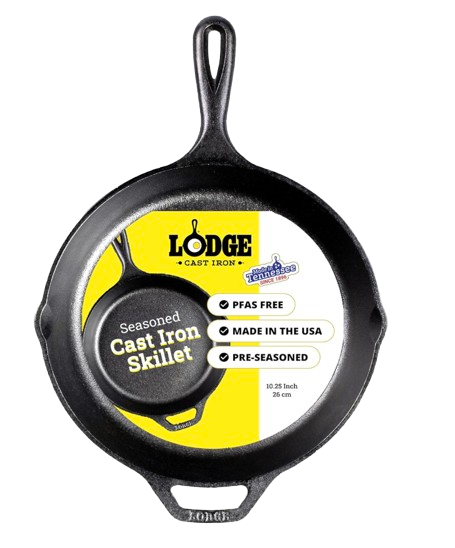
Lodge 10.25-Inch Cast Iron Skillet
Cast iron is the original nonstick—properly seasoned, it develops a naturally slick surface that gets better with use. This skillet goes from stovetop to oven (no heat limit), retains heat incredibly well (perfect for searing), and costs less than dinner out. Use for cornbread, frittatas, seared steaks, roasted vegetables, anything you want crusty and caramelized.
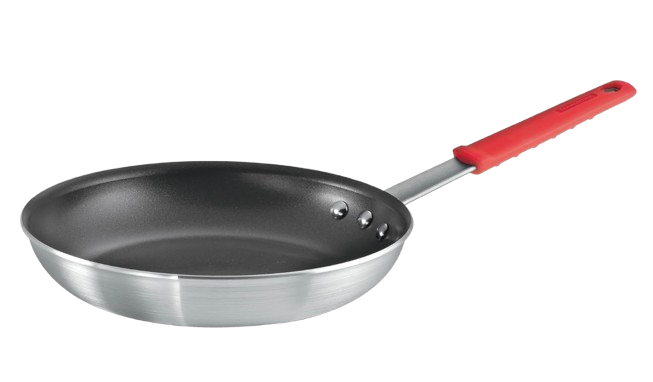
Tramontina Professional Nonstick 10-Inch Fry Pan
Nonstick pans are disposable—the coating degrades and needs replacing every 2-5 years depending on use. So buy an affordable, quality option like this instead of expensive nonstick. Use for eggs, delicate fish, anything that sticks in stainless steel. The aluminum construction heats quickly and evenly, the restaurant-grade coating actually releases food, and when it eventually wears out, replace it guilt-free.
What You Don’t Need (Despite What Stores Tell You)
12-piece cookware sets: You’ll use 3-4 pieces regularly and the rest gather dust. Buy quality individual pieces instead.
Knife sets with 15 knives: You need a chef’s knife, a paring knife, and maybe a serrated bread knife. The rest are rarely used.
Specialty pans for one purpose: Egg pans, fish pans, pasta pots with built-in strainers—single-use items that waste space.
Expensive nonstick: The coating fails regardless of price. Buy affordable, replace when needed.
Matching everything: Your pans don’t need to match. Buy the best material for each task.
Care and Maintenance Reality Check
Cutting boards:
Wood needs monthly oiling and hand washing. Epicurean goes in the dishwasher. Choose based on your maintenance tolerance.
Knives:
Hand wash and dry immediately (dishwasher ruins edges and handles), hone before each use (realigns edge), professional sharpening annually. Learn to hone—it’s easy and maintains sharpness between professional sharpenings.
Stainless steel pans:
Dishwasher-safe but hand washing is gentler. Use Bar Keeper’s Friend for stuck-on food and discoloration. Develops patina over time (normal and fine).
Cast iron:
Hand wash, dry thoroughly, thin oil layer after each wash. Seems fussy but becomes routine. If rust develops, scrub it off, re-season, and continue using.
Nonstick:
Hand wash, use gentle utensils, medium-low heat only. Even with perfect care, coating degrades—plan to replace every 2-5 years.
Mini FAQ
Cheap knives are dangerous (dull blades slip and cause cuts), cheap cutting boards warp and split, cheap stainless steel has hot spots that burn food. You can go mid-range (Victorinox knife, Epicurean board, Tramontina stainless) but don’t go bottom-tier.
They serve different purposes—stainless for pan sauces and high-heat sautéing, cast iron for oven-safe cooking and extreme heat retention. If you’re just choosing one, start with the stainless steel (more versatile), and add the cast iron later.
Hone before each use (takes 30 seconds). If honing doesn’t restore sharpness, the knife needs professional sharpening. Most home cooks need professional sharpening 1-2x per year.
Only if your budget allows. Otherwise, buy the knife first (most impactful), add the board within a month, and add pans as budget permits. Quality tools are worth saving for.
Carbon steel is excellent but requires maintenance similar to cast iron. Ceramic nonstick degrades even faster than PTFE nonstick. For most home cooks, stainless steel, cast iron, and traditional nonstick cover all needs.
✨ Beth’s Take: The Upgrades That Actually Changed My Cooking
I cooked for years with hand-me-down nonstick pans, a flimsy cutting board, and dull knives I’d never sharpened. My cooking was fine—I could follow recipes and make dinner. But the process was frustrating. Cutting boards slipped, knives crushed tomatoes instead of slicing them, pans heated unevenly and food stuck.
Upgrading my chef’s knife first was revelatory. Suddenly chopping onions took 30 seconds instead of 2 minutes. Cutting chicken was clean and easy instead of hacking and tearing. My knife skills didn’t improve—my knife did. Then I added the wood cutting board and realized I’d been fighting a sliding, warping board for years without knowing it didn’t have to be that way.
The All-Clad stainless pan was the final piece. Perfectly seared chicken with a gorgeous pan sauce, vegetables that actually caramelized instead of steaming—these weren’t new recipes, they were better tools. The techniques I’d been struggling with suddenly worked because my equipment was working with me instead of against me. These three upgrades transformed my cooking more than any cookbook or recipe ever did, because they removed friction and frustration from every single thing I made.
More Cooking Inspiration
For more kitchen tool guidance that actually makes cooking easier, check out 5 Kitchen Appliances I Thought Were Gimmicks (Until I Actually Used Them!)—these complement your basic tools for complete kitchen capability. And once your tools are upgraded, explore my post Curate Your Cookbook Collection: A Strategic Guide for Every Home Cook to build the recipe collection that matches your improved cooking setup.
Closing Thoughts
Upgrade Your Kitchen Essentials
Upgrading your cutting board, chef’s knife, and core cookware transforms daily cooking from frustrating to effortless. Start with a quality knife (the tool you use most), add a proper cutting board (protects your knife and makes prep easier), then invest in versatile cookware (stainless steel, cast iron, affordable nonstick). These aren’t exciting purchases, but they’re the foundation of actually enjoying cooking instead of just getting through it.





LEAVE A COMMENT