







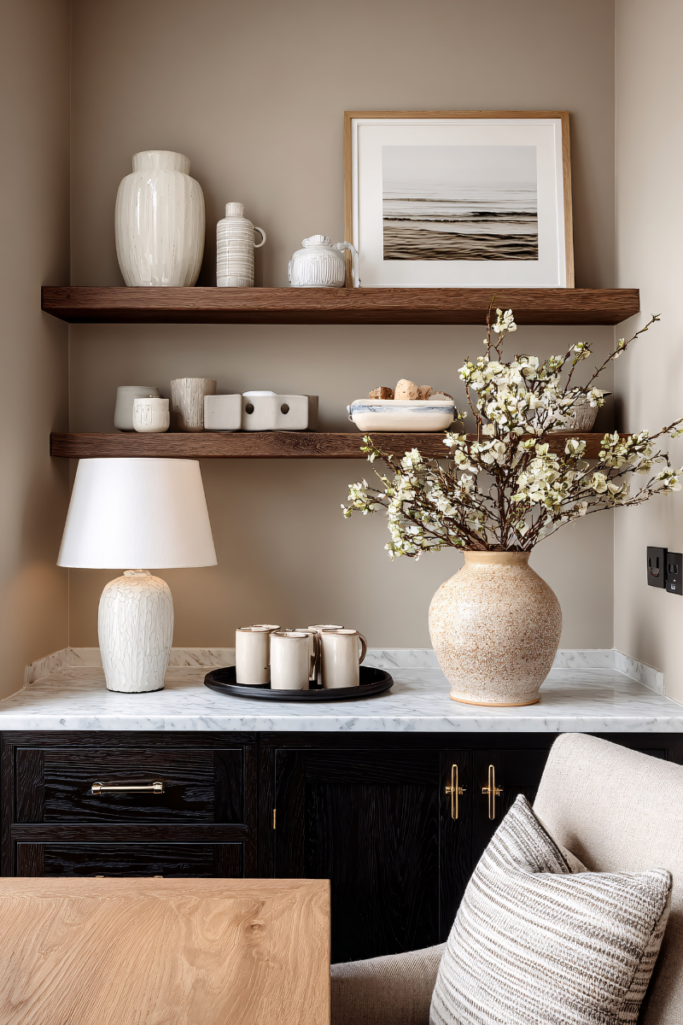
Shelf styling follows a simple formula: books (stacked and upright) + objects with height + something organic + personal items + intentional empty space. The goal is “curated but lived-in,” not museum perfect. Odd numbers, varied heights, and the rule of thirds create visual balance.
The Shelf Styling Formula That Works on Any Bookcase
The Core Principle: The Rule of Thirds
Divide each shelf mentally into thirds. One-third should be books, one-third should be objects/décor, and one-third should be breathing room (empty space or very minimal items). This prevents both the “stuffed library” look and the “sad, empty shelf” problem.
The pattern that works:
Books (vertical and horizontal stacks) + decorative objects + greenery + personal items + empty space = balanced, interesting shelves
The 6 Essential Elements of Well-Styled Shelves
1. Books: The Foundation (Vertical and Horizontal)
Books are the backbone of shelf styling—they provide color, texture, and authenticity. But how you arrange them makes all the difference.
The mix that works best:
Vertical Stacks (Traditional Bookshelf Style)
Group 5-8 books standing upright, organized by height (tallest on outside edges, shortest in middle) or color. This creates the “bookshelf” part of your bookshelf.
Horizontal Stacks (The Styling Secret)
Stack 2-4 books horizontally (lying flat) to create platforms for decorative objects. This breaks up the vertical monotony and provides surfaces for layering.
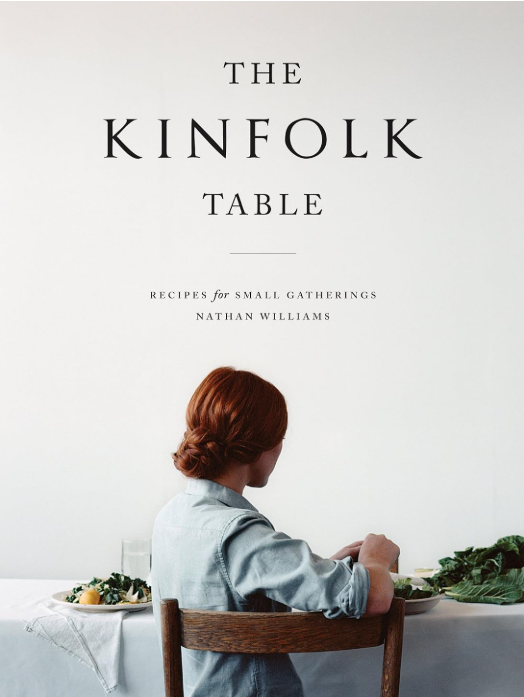
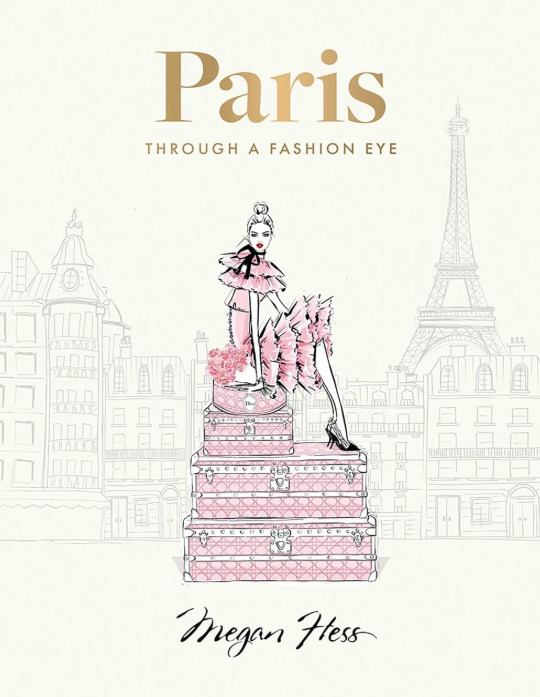
Top Picks
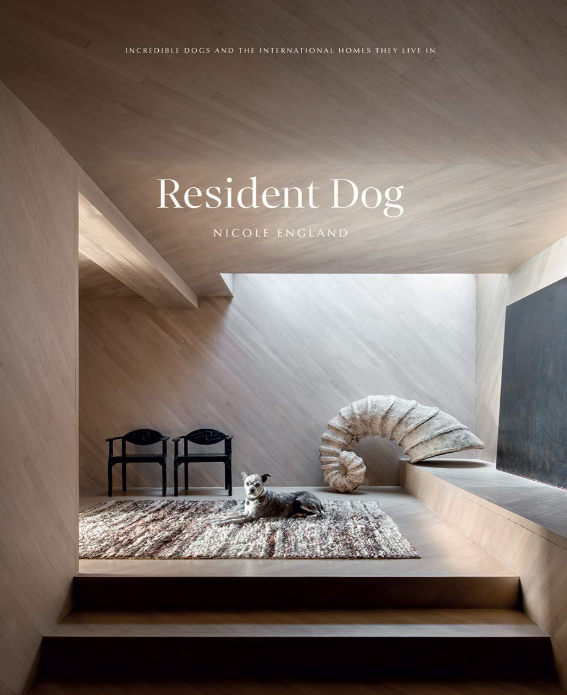
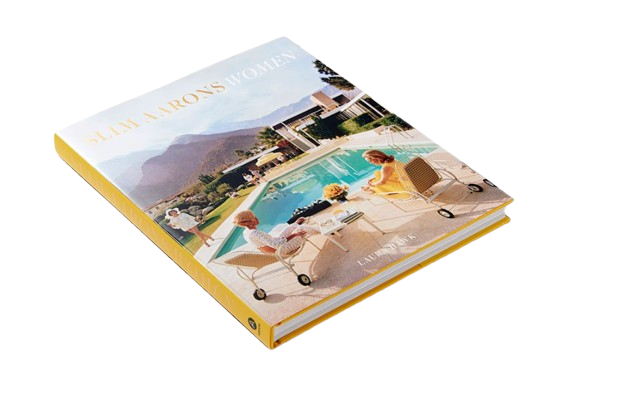
Large-format books with beautiful covers serve double duty—they’re interesting to read AND gorgeous to display. Choose subjects you actually care about, not just pretty spines.
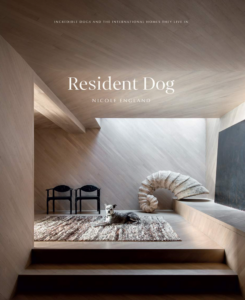
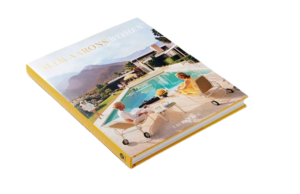
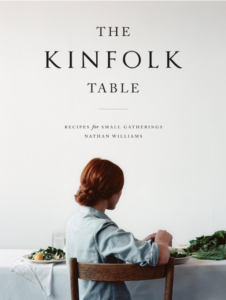
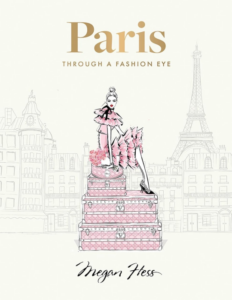
Where to buy: Anthropologie, Barnes & Noble, Amazon, TJ Maxx/Homegoods (discounted designer books)
Styling tip: Remove dust jackets from hardcovers for a cleaner, more cohesive look. The exposed cloth covers often coordinate better.
2. Objects with Height: Creating Vertical Interest
Flat shelves need vertical elements to draw the eye up and create dimension. Height variation prevents everything from looking like it’s sitting on the same plane.
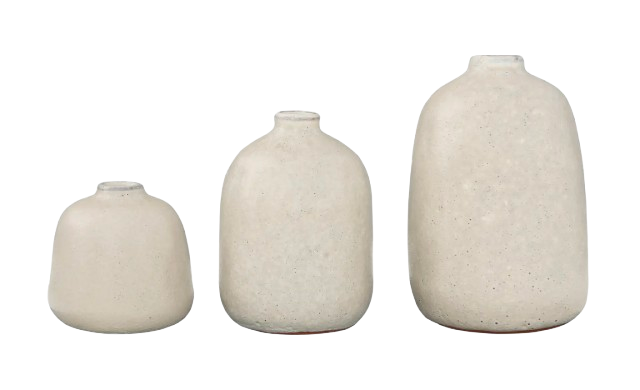
Storied Home Terracotta Vases – Set of 3
These sculptural terracotta vases in varying heights (small, medium, tall) create instant visual interest. The organic, hand-shaped aesthetic works with any décor style, and the reactive glaze means each piece is slightly unique.
Why they work:
The varying heights create a natural rhythm across your shelves. Use them empty as sculptural objects or add single stems for organic softness. The neutral ceramic color works with any book spine colors.
How to use on shelves:
Place the tallest vase on one end of a shelf, the medium one on another shelf at the opposite end, and the smallest as part of a grouped vignette. The varied placement creates visual movement across the entire bookcase.
3. Something Organic: Softening Hard Edges
Books and objects are all hard surfaces—you need something living or organic to soften the look and add natural texture.
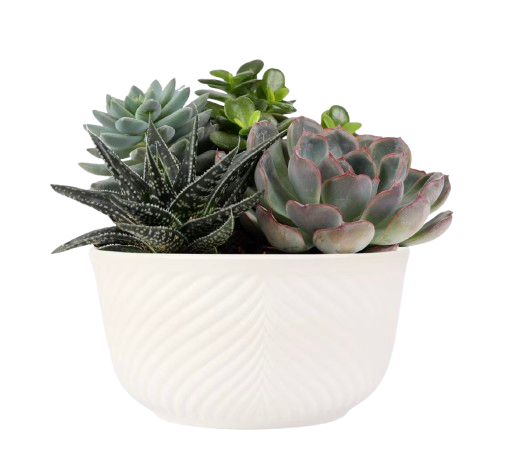
Potted Succulents in Ceramic Planters
Small succulents or trailing plants (pothos, string of pearls) in simple ceramic pots add life without requiring much care. Choose pots in neutral colors (white, cream, terracotta, sage) that won’t compete with book spines.
Low-maintenance options for non-plant people:
- ZZ plants (thrives on minimal water)
- Snake plants (nearly indestructible)
- Pothos (tolerates low light and neglect)
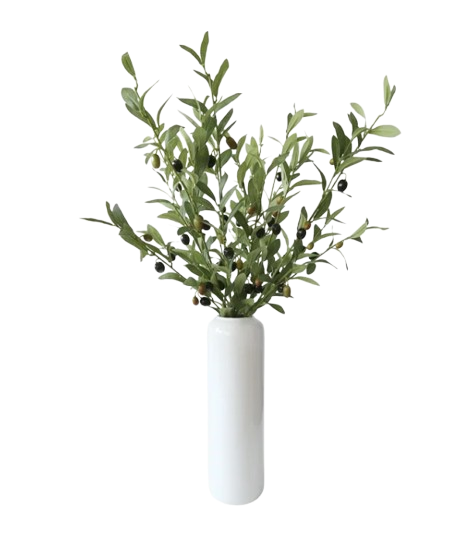
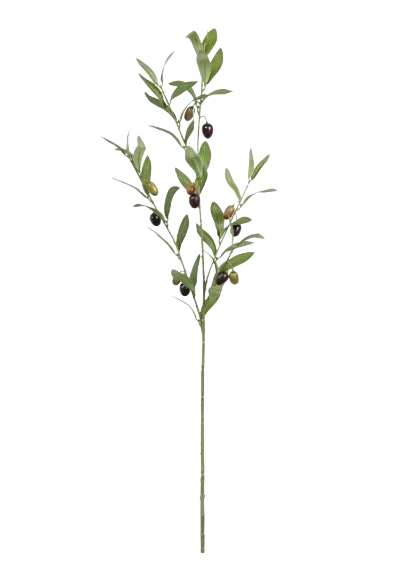
Faux Alternative: Artificial Silk Green Olive Long Stem
High-quality faux stems in simple glass or ceramic vases provide the organic element without maintenance. Modern faux botanicals look incredibly realistic.
Styling tip: Odd numbers work best—one plant per shelf, or group three small plants together on one shelf. Avoid lining up plants in a row.
4. Decorative Objects: The Personality Layer
These are the items that make shelves feel personal and curated rather than generic—small sculptures, bowls, found objects, travel souvenirs.
Top Picks
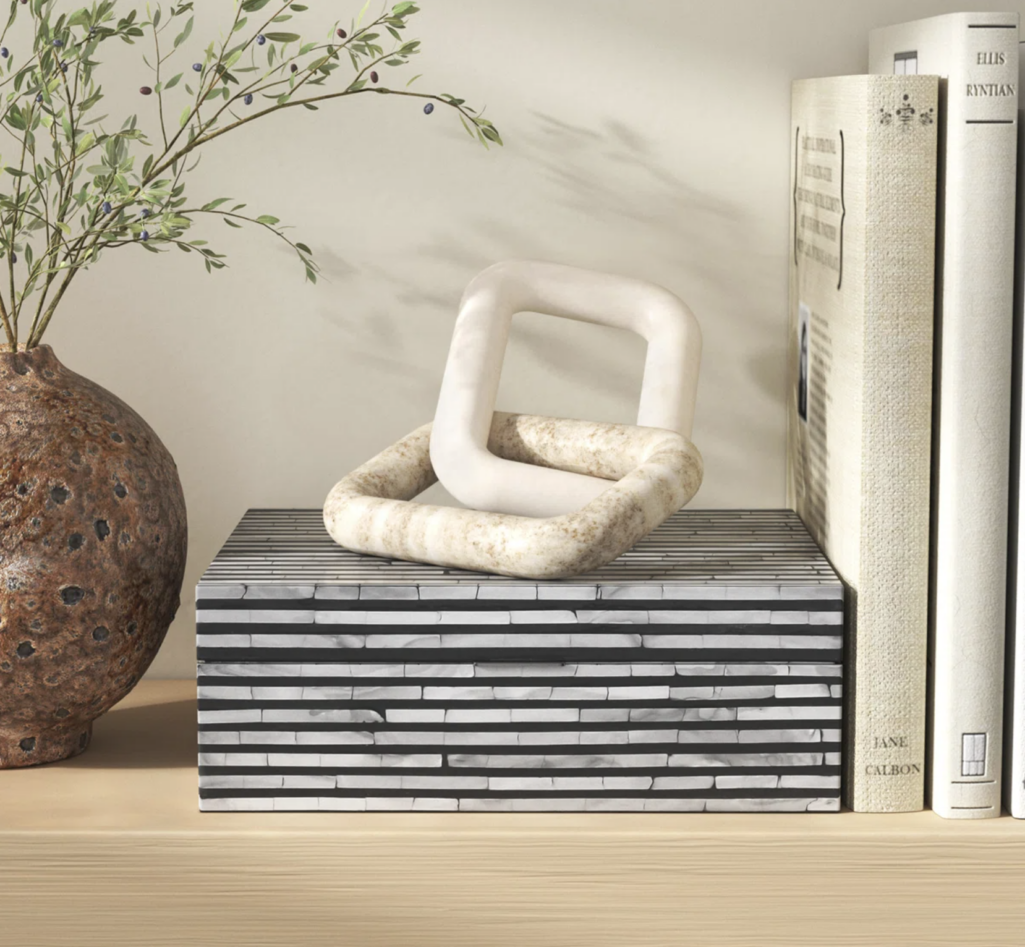
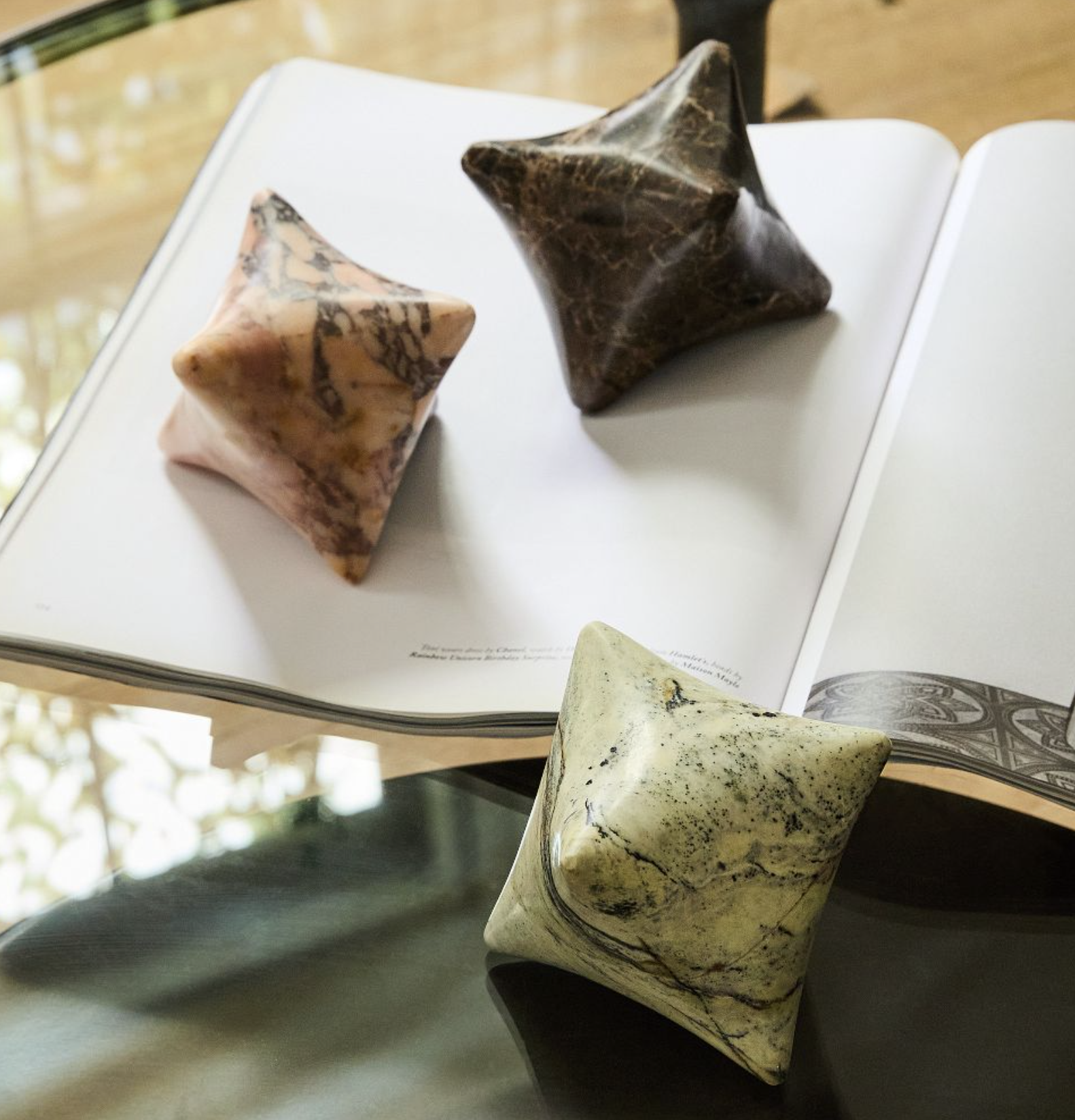
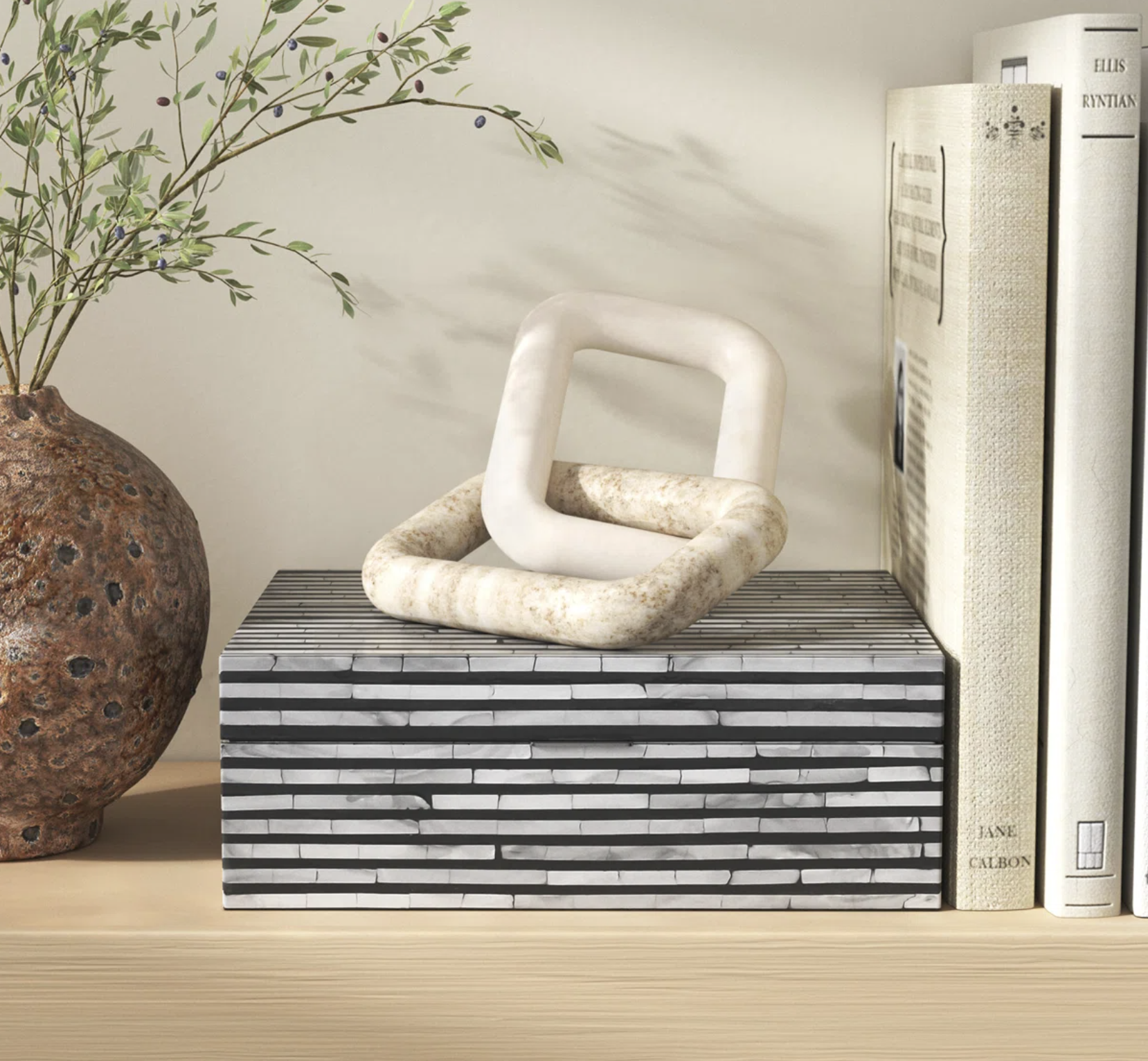
Abstract shapes, decorative spheres, small sculptures in ceramic, marble, or wood add texture and interest. These provide visual weight without being too literal or themed.
- West Elm Marble Jacks Object
- Joss & Main Decorative Objects & Sculptures
- Vintage or Thrifted Objects
What makes a good decorative object:
- Meaningful to you (travel find, inherited piece, something you love)
- Interesting shape or texture (not flat)
- Neutral or complementary color (doesn’t fight with book spines)
- Appropriate scale (not so large it dominates, not so small it disappears)
How to style:
Place on top of horizontal book stacks, group odd numbers (3 or 5) of varying sizes, or use as bookends to hold vertical stacks
5. Picture Frames: Adding Personal Connection
Framed photos or small art pieces make shelves feel lived-in and personal. The key is keeping them minimal and intentional.
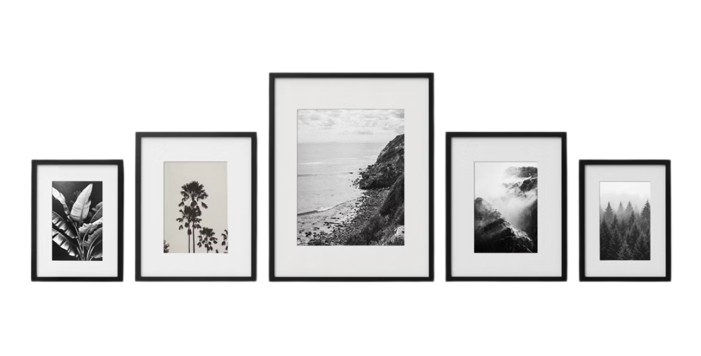
Room Essentials Traditional Mixed Frames
Choose 2-4 frames (not 20) in similar finishes—all black, all brass, all natural wood. Consistency in frame style creates cohesion even when shelf contents vary.
What to frame:
- Meaningful photos (family, travel, special moments)
- Small art prints or postcards
- Pressed botanicals or pages from old books
- Children’s artwork or meaningful cards
Styling tip: Lean frames against the back of the shelf rather than using the built-in stand. It looks more casual and collected. Layer smaller frames in front of larger ones for depth.
6. Intentional Empty Space: The Element People Forget
This might be the most important element: leaving some space empty. Shelves crammed full look cluttered and overwhelming. Strategic empty space lets each item breathe and makes the whole bookcase feel curated.
How much empty space:
At least 20-30% of each shelf should be negative space. This might mean the outer third of a shelf is mostly empty, or the space between grouped objects is generous.
Where to leave space:
- One end of a shelf left mostly clear
- Generous space between vertical book stacks
- Area around a statement object (let it shine alone)
- Top shelf kept minimal (draws eye up but doesn’t overwhelm)
Why it matters:
Empty space signals that you made intentional choices about what to display. It prevents the “I put every object I own on these shelves” look and makes each displayed item feel more important.
The Complete Shelf-by-Shelf Formula
Let’s break down exactly how to style a standard 5-shelf bookcase using this formula:
Top Shelf: Keep It Light
- 3-5 vertical books on one end
- Tall vase (empty or with single branch) on opposite end
- Generous empty space in middle
- Why: Top shelves are seen at a distance—keep them minimal so they don’t feel top-heavy
Second Shelf: Create a Focal Point
- Stack 3-4 horizontal books on one side
- Place medium-height decorative object on top of stack
- Small framed photo leaning against back wall
- Vertical book stack (5-7 books) on opposite end
- Why: Eye-level shelves are prime real estate—this is where you create visual interest
Middle Shelf: Build a Vignette
- Vertical book stack on one end
- Small potted plant beside books
- Horizontal stack of 2 books in center
- Small decorative object (sphere, sculpture) on book stack
- Empty space on outer end
- Why: Middle shelves ground the bookcase—substantial but not overwhelming
Fourth Shelf: Add Personality
- Larger horizontal book stack (coffee table books)
- Medium vase or candlestick on books
- Leaned frame (photo or art)
- Vertical books on opposite end
- Why: Lower shelves can handle more visual weight and larger objects
Bottom Shelf: Go Practical or Minimal
- Option 1: Larger baskets or bins for storage (practical)
- Option 2: Horizontal book stacks with bookends and one statement object (styled)
- Why: Bottom shelves often house less-decorative items or can make a final style statement
The Quick Formula: Styling Each Shelf in 5 Minutes
For ANY individual shelf, use this pattern:
- Start with books – Stack 2-3 horizontally on one side OR stand 5-7 vertically
- Add height – Place vase, candlestick, or tall object on opposite end
- Include something organic – Small plant or faux stem somewhere on shelf
- Add one personal item – Frame, decorative object, or meaningful piece
- Leave space – Don’t fill every inch; let items breathe
Total items per shelf: 5-7 pieces maximum, including book stacks (each stack counts as one piece)
Common Shelf Styling Mistakes (And How to Fix Them)
Mistake 1: Everything Standing Upright
Fix: Mix horizontal book stacks with vertical. The variation creates visual interest and provides surfaces for objects.
Mistake 2: Books Organized Only by Color
Fix: Color-coordinated shelves photograph beautifully but can look sterile in person. Mix color-blocking with subject-matter organization—group books you actually want to find together.
Mistake 3: Too Many Small Objects
Fix: Remove half of what you have. Fewer, more substantial pieces look more expensive than dozens of tiny trinkets.
Mistake 4: Everything Pushed Against Back Wall
Fix: Vary depth—some items at the back, some pulled forward. This creates layers and dimension.
Mistake 5: Matching Everything Perfectly
Fix: Curated doesn’t mean matchy. Mix materials (wood, ceramic, metal, glass), vary heights, embrace imperfection.
Mini FAQ
Both work—it depends on your priority. Color creates visual cohesion (great for open-concept spaces where bookshelves are always visible). Subject makes books easier to find (better for avid readers who reference their library often). Compromise: organize most books by subject, but use color to group within categories.
Style them well. Even IKEA bookcases look elevated when styled with the right mix of books, objects, and space. Remove any wire or cheap-looking backing and paint the interior a contrasting color for depth.
Use baskets or decorative boxes on some shelves to hide storage (throw blankets, office supplies, random stuff). Mix open styled shelves with closed storage shelves. Or embrace minimalism—fewer books styled well looks better than shelves packed with books you don’t care about.
Seasonally if you enjoy it (swap out objects, change greenery, rotate books), or just when you’re bored with how they look. The bones of your styling (vertical/horizontal book mix, placement of key objects) can stay consistent—just swap specific items for freshness.
Yes, especially if the faux plants are high quality. Put real plants where they’ll get proper light, use faux in spots that don’t get enough sun. Most people won’t notice if the faux plants are realistic.
✨ Beth’s Take: How Shelf Styling Finally Made Sense
I used to think shelf styling was either “cramming in all your books” or “expensive designer comes and makes it look like a magazine.” My shelves swung between overstuffed library and bare with random objects that didn’t work together.
Then I learned the formula: books (vertical and horizontal mix) + height (vases, candlesticks) + organic (plants or stems) + personal items (frames, objects) + empty space. Following this pattern, each shelf came together in minutes instead of me endlessly moving things around.
The breakthrough was understanding that horizontal book stacks aren’t wasted space—they’re styling platforms. Stacking 2-3 beautiful books horizontally and placing a vase or small sculpture on top creates an instant vignette that looks intentional. This one trick transformed my shelves from “place where books go” to “styled bookcase.”
The second breakthrough was permission to leave space empty. I used to think every inch needed to be filled. Now I know that generous space between objects makes each item look more important and prevents the cluttered, overwhelming feeling. A shelf with 5 carefully placed items looks better than a shelf crammed with 20.
My shelves aren’t perfect—books get pulled out and not returned to exact spots, objects get moved when I’m dusting, plants die and get replaced. But the underlying formula stays the same, so even when things shift, the overall look still works. That’s the beauty of a formula—it’s flexible enough to handle real life while maintaining visual appeal.
Related Posts
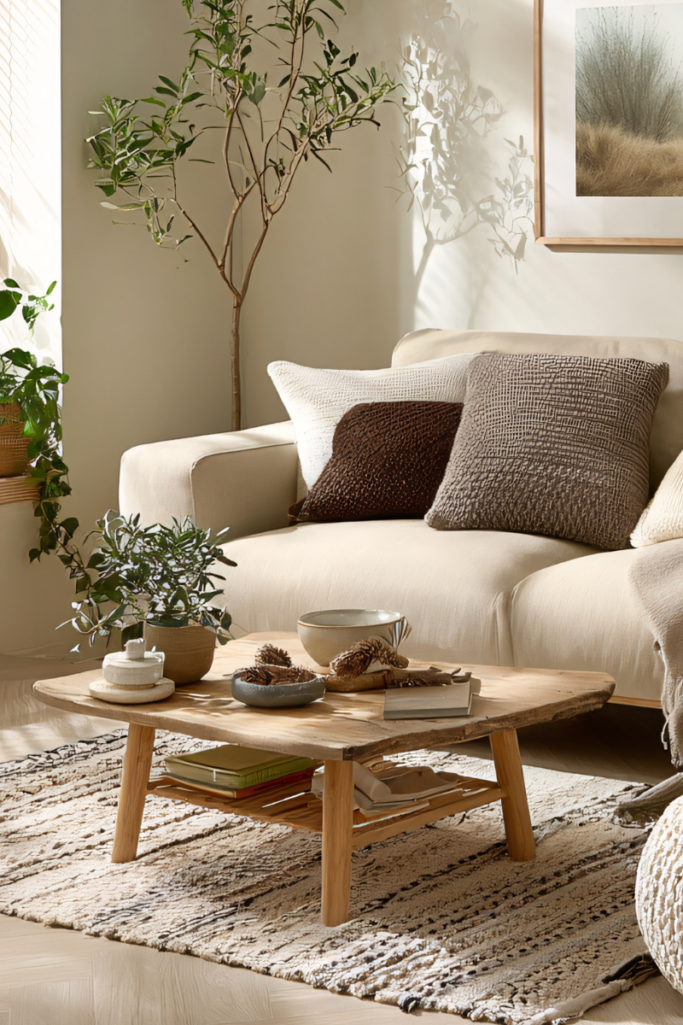
For more home styling guidance using simple formulas, check out Coffee Table Styling: The Simple Formula That Makes Any Table Look Expensive! The same principle applies—a few quality pieces strategically placed beats dozens of items scattered randomly. And for broader home refresh ideas, browse Small Changes, Big Impact: 5 Easy Entryway Updates for the New Year and New Year, New Home: 7 Décor Upgrades Under $100 for a Fresh Start.
Closing Thoughts
Style Your Shelves with Ease
Shelf styling doesn’t require a design degree—it requires a simple formula: books (stacked and upright) + objects with height + something organic + personal items + intentional empty space. Start with one shelf, follow the pattern, then repeat on remaining shelves with variation. The goal is “curated but lived-in,” not museum perfect. Your shelves should look good AND function for your real life.





Excellent, excellent directions ! … and thank you for sharing your expertise … so thrilled with the new ( and greatly improved) look of my bookcase!… appreciate you!