











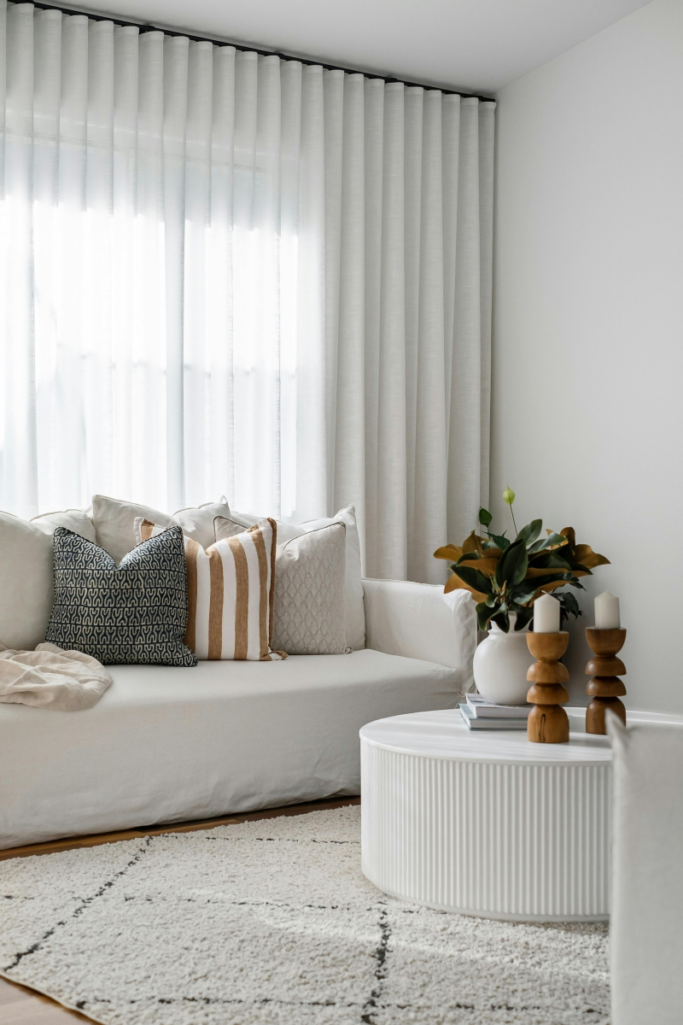
Late winter living rooms need brightness and life after months of dark, cozy hibernation. Small swaps—lighter curtains, fresh greenery, better lighting, repositioned furniture—create immediate impact without redecorating. The goal is banishing winter gloom while keeping comfort.
What You’ll Find in This Post
- 6 Small Swaps That Refresh Your Living Room for Late Winter
- 1. Swap Heavy Curtains for Lighter Panels
- 2. Add Fresh Greenery (Real or Convincingly Faux)
- 3. Update Your Coffee Table Styling
- 4. Improve Your Lighting Layers
- 5. Rearrange Furniture to Maximize Natural Light
- 6. Add Mirrors to Multiply Light
- Mini FAQ
- More Home Design Inspiration
6 Small Swaps That Refresh Your Living Room for Late Winter
1. Swap Heavy Curtains for Lighter Panels
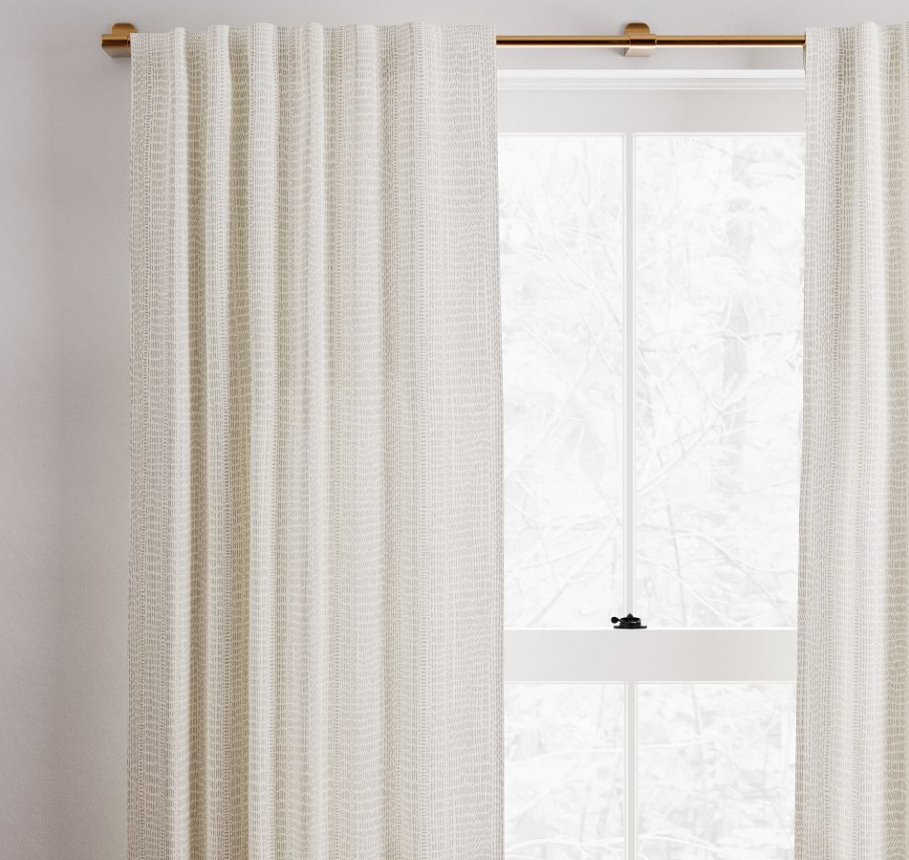
West Elm Cotton Canvas Curtains
Heavy velvet or lined curtains served you well in deep winter, blocking drafts and creating cozy darkness for 5pm sunsets. But late winter brings longer days and a desperate need for natural light. Switching to lighter cotton or linen curtains in white, cream, or soft gray lets maximum light through while maintaining privacy.
Why this swap matters:
Natural light affects mood dramatically. Darker, heavier curtains appropriate for December feel oppressive in February when you’re craving brightness. Light-filtering curtains in pale colors reflect light instead of absorbing it, making the entire room feel larger and more awake.
Installation strategy:
Don’t remove your heavy curtains permanently—store them for next winter. Or layer: keep blackout curtains but add lighter sheers you can close during the day for privacy while maintaining brightness.
Color selection:
White or natural linen creates maximum brightness and makes rooms feel larger. Soft gray adds sophistication without darkness. Avoid bold colors or patterns that compete with existing decor—late winter refresh is about lightening, not redecorating.
2. Add Fresh Greenery (Real or Convincingly Faux)
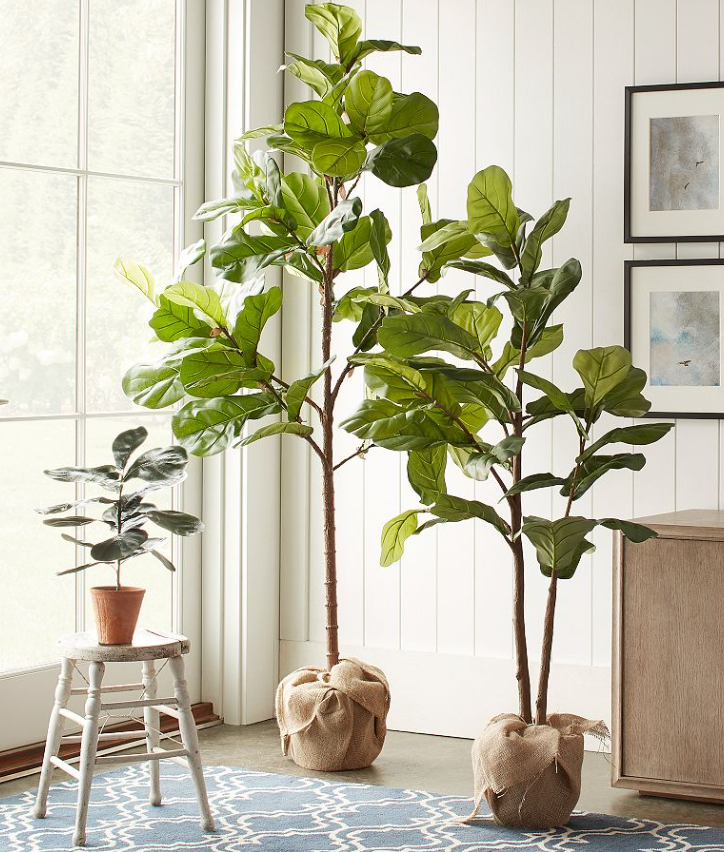
Living rooms in late winter often feel lifeless—all browns, grays, and neutrals without any organic vitality. A substantial plant (real or high-quality faux) brings immediate life and freshness to the space. The vertical element draws eyes upward, making ceilings feel higher and rooms more spacious
Why faux works for this:
Late winter is brutal on houseplants—low humidity from heating, less natural light, our tendency to neglect watering when we’re hibernating. A high-quality faux tree provides the visual freshness without the maintenance stress. Modern faux plants are convincingly realistic if you invest in quality.
Placement strategy:
Position in empty corners (fills dead space, softens hard angles), beside sofas (creates visual balance and frames seating), or flanking fireplaces (architectural symmetry). The key is placing where you’d put a real plant—by windows, not hiding in dark corners where real plants couldn’t survive.
What makes faux plants look real:
Varied leaf sizes and slight imperfections (real leaves aren’t uniform), natural-looking trunks with texture, leaves at different angles (not all perfectly perpendicular), and appropriate pot choice (realistic terra cotta or basket, not obvious plastic).
Real plant alternative: Pothos or snake plants if you want actual living greenery—both tolerate low light and neglect better than most houseplants
3. Update Your Coffee Table Styling
Decorative Tray + Fresh Elements
Your coffee table likely accumulated winter clutter—remote controls, old magazines, random objects. Late winter is the moment to clear everything off, edit ruthlessly, and create an intentional arrangement that feels fresh and considered.

4. Improve Your Lighting Layers
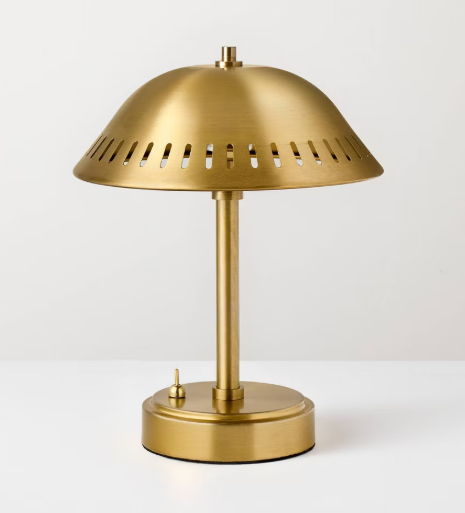
Late winter afternoons get dark early, and overhead lighting alone creates harsh, unflattering illumination. Adding or improving table lamps with warm-toned bulbs (2700K) creates ambient glow that makes rooms feel cozy without the winter heaviness.
Why lighting matters for late winter:
The quality of light affects how your entire room feels. Harsh overhead lighting emphasizes winter’s darkness. Layered lighting with warm lamps creates pools of soft light that feel inviting and cheerful—fighting seasonal gloom without waiting for spring.
The three-light rule:
Living rooms should have at least three light sources: overhead/ceiling light, table lamp(s), and floor lamp or accent lighting. This allows you to adjust based on time of day and mood—bright for daytime tasks, warm and dim for evening relaxation.
Bulb temperature matters:
2700K (warm white) creates cozy, flattering light—use in living spaces
3000K (soft white) is slightly cooler but still warm—good for task lighting
4000K+ (cool white) feels institutional—avoid in living rooms
Placement strategy:
Position lamps where you actually need light (beside reading chairs, on end tables near sofas) but also where they create visual balance (one on each end of the sofa, flanking a console table).
5. Rearrange Furniture to Maximize Natural Light
No cost – just effort!
Sometimes the refresh your living room needs isn’t new items—it’s rethinking what you already have. Furniture arranged for winter coziness (everything clustered around the fireplace or TV, heavy pieces blocking windows) can feel dark and closed-in come late winter.
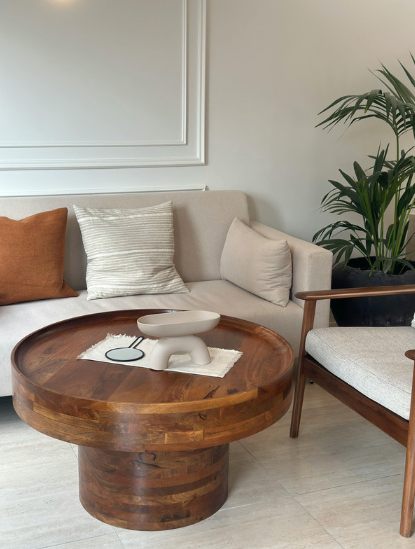
Strategic rearrangements for brightness:
Pull furniture away from windows:
Heavy sofas or chairs blocking windows prevent light penetration. Pull seating 6-12 inches away from walls and windows—creates breathing room and allows light to flow around furniture.
Create conversation areas:
Arrange seating in a U-shape or facing configuration around the coffee table, not all facing the TV. This opens the room and makes it feel more social and spacious.
Angle pieces:
Placing furniture at slight angles (instead of rigidly parallel to walls) creates more dynamic space and allows light to move through the room differently.
Clear pathways:
Ensure clear walking paths between furniture. Cluttered, cramped arrangements feel heavy. Open pathways make rooms feel larger and lighter.
What this costs:
Nothing but 30-60 minutes of experimentation. Move things around, live with it for a day, adjust. Use this opportunity to vacuum under furniture you haven’t moved in months.
6. Add Mirrors to Multiply Light
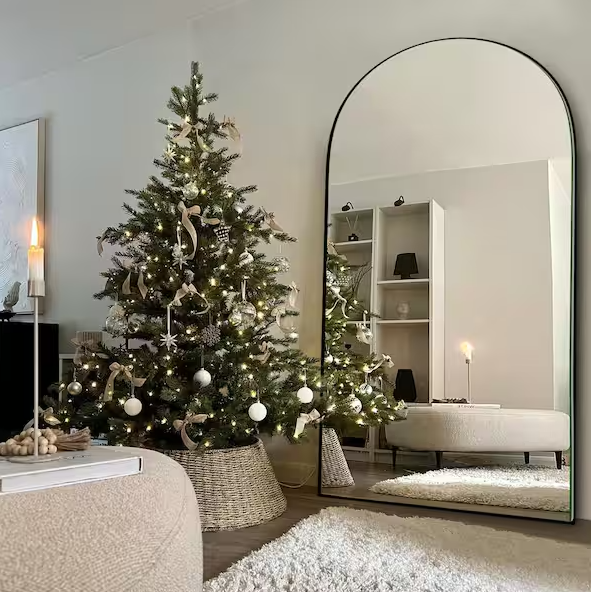
Mirrors are the secret weapon for brightening dark late-winter rooms—they reflect natural light, making it feel like you have more windows than you actually do. A large mirror positioned opposite or adjacent to windows effectively doubles the light in the space.
Strategic placement:
Opposite windows: Reflects natural light back into the room
Adjacent to windows: Bounces light sideways, spreading it further
Above console tables or mantels: Creates focal point while reflecting light
Leaning against walls: Casual, no-commitment option that’s easily moved
Size matters:
Go larger than you think you need. A mirror that’s too small looks decorative but won’t meaningfully impact light. Aim for at least 30×40 inches for wall mirrors, or full-length floor mirrors (60+ inches tall) for maximum impact.
Frame selection:
Simple frames (wood, metal, or minimal) work in any style. Ornate gilt frames feel traditional and elegant. Frameless or beveled-edge mirrors feel modern and sleek. Match to your existing aesthetic.
What mirrors do beyond lighting:
Make rooms feel larger (the reflection creates visual depth), serve functional purposes (checking your appearance before leaving), and create interesting architectural detail on blank walls.
The Order to Make These Changes
If you can only do one thing:
Swap to lighter curtains. Natural light affects your mood and how your entire room feels more than any other single change.
If you can do two things:
Lighter curtains + fresh greenery. These two create immediate visual freshness and life.
If you’re doing a complete late winter refresh:
Start with decluttering and rearranging furniture (costs nothing), add lighter curtains, improve lighting, style coffee table intentionally, add greenery and mirrors last.
What NOT to Change Yet
Wall color:
Wait until spring to paint. You need to see how the room looks with more natural light before committing to color changes.
Major furniture:
Late winter isn’t the time for big purchases. Make what you have work better through arrangement and lighting.
Rug swaps:
Your winter rug is fine. Save rug changes for the full spring transition when you’re ready to fully lighten the room.
Art and wall decor:
Unless something is actively bothering you, leave it. Late winter refresh is about light and life, not complete redecorating.
The Late Winter Refresh Philosophy
The goal: Brighten and freshen without waiting for spring
The method: Small, strategic swaps that maximize light and add life
The timeline: Do this in February so you enjoy the changes through March and April
The cost: $200-400 total if you do everything, less if you’re selective
What makes late winter different from full spring refresh:
You’re not putting away all your cozy elements or switching to summery decor. You’re lightening and brightening while maintaining comfort. Think “cozy but cheerful” not “full spring mode.”
Mini FAQ
Mid-to-late February, once you’re sick of winter darkness but spring is still weeks away. This bridges the gap and makes the waiting more pleasant.
No. Keep what makes you happy and comfortable. Just lighten the heaviness—swap dark curtains for light ones, add fresh greenery, improve lighting. You’re editing, not eliminating.
Focus on the lighting layer (add warm lamps), mirrors (reflect what light you have), and fresh greenery (creates life even without sun). These work even in darker spaces.
No. By the time spring arrives, you’ll be ready to open windows and do a bigger seasonal transition. This refresh gets you through late winter when you need brightness most.
Everything here is renter-friendly—curtains hang on existing rods, furniture rearranges, mirrors lean or hang with removable hooks, greenery is portable, coffee table styling is temporary.
✨ Beth’s Take: Why We Need This in Late Winter
February is one of the hardest months for me. The holidays are long over, spring feels impossibly far away, and my living room—which felt cozy and hibernation-perfect in December—suddenly feels dark, heavy, and oppressive.
For years, I’d just suffer through it, telling myself spring would come eventually. Then I learned that small, strategic changes in late winter could dramatically improve my mood and how I felt about my home during the hardest weeks.
The year I switched to lighter curtains in mid-February was revelatory. Suddenly my living room had light—actual, mood-improving, life-giving natural light instead of the cave-like darkness that heavy velvet curtains created. The room felt bigger, brighter, and more hopeful. Such a simple change, such disproportionate impact.
Adding the large floor mirror came next. Positioning it opposite my window effectively doubled the natural light, making my small living room feel almost spacious. Combined with the lighter curtains, the transformation was dramatic.
The fresh greenery (I use high-quality faux because I’m terrible with real plants in winter) brought life to a room that had felt stagnant and gray for months. Just one large plant in the corner made the entire space feel more alive.
These aren’t major renovations or expensive redecorating projects. They’re small, strategic swaps that acknowledge late winter is hard and our spaces should help us get through it, not make it worse. Waiting for spring to feel better about your home means suffering through six more weeks unnecessarily.
Now I do this refresh every year in mid-February. It’s become a ritual—the moment I swap to lighter curtains and add fresh greenery, I know I’m on my way out of winter’s darkness. The changes give me something to look forward to and make my home feel intentional and cared-for even when I’m tired of winter.
More Home Design Inspiration
For more ways to make your living room feel curated and intentional, check out Shelf Styling 101: A Formula for Any Bookcase—properly styled shelves contribute to the overall fresh, organized feeling. And for specific guidance on that coffee table refresh mentioned here, read Coffee Table Styling: The Simple Formula That Makes Any Table Look Expensive!
Closing Thoughts
Refresh Your Living Room
Late winter living rooms need brightness and life after months of cozy darkness. Small swaps—lighter curtains, fresh greenery, better lighting, repositioned furniture, and strategic mirrors—create immediate impact without major expense or full redecorating. Make these changes in mid-to-late February to brighten your space and improve your mood during the hardest weeks before spring arrives. Your living room should help you get through late winter, not make it worse.