











Hello and welcome to Kelly’s Kitchen! Today’s jump an hour ahead is one of my favorite times of year (after the initial sleepiness wears off 😉). To me, it marks the beginning of spring (even though the official start of spring isn’t until March 20); the Japanese Magnolias are blooming, along with the sunny yellow flowers of the Carolina Jessamine. When the season is shifting to longer, warmer days, a giant salad loaded with veggies, meats, and cheeses is the perfect kind of supper. Especially if you’re feeling creative but not in the mood to do much cooking. Making a big salad like this really gets the creative juices going; arranging the ingredients according to color and texture is so satisfying. And then you end up with a gorgeous bowl of salad that is worth presenting at a dinner party! This is basically a no-recipe recipe; it’s time for you to let your creative juices flow. Let’s get to it: A gorgeously composed Chef Salad.
What You’ll Find in Today’s Post
- Step 1: Dressing
- How to Build a Chef Salad
- Step 2: The Greens
- Step 3: Veggies of Similar Color and Texture
- Step 4: The Meats
- Step 5: The Cheeses
- Step 6: More Meat and Cheese (YES!)
- Step 7: Finishing Touches
- A Salad Worth A Thousand Words
- FAQS – Chef Salad
- Why You Need A Wide Shallow Serving Bowl
- Check Out More of My Favorite Spring Recipes From the Blog
Step 1: Dressing
Let’s start with the dressing. I use a repurposed jar for this because this particular jar has measurements on the side. I like my salad dressing to be an almost equal ratio of oil to vinegar – a little heavier on the vinegar side. We have one large shallot, diced. One tablespoon of Dijon mustard, olive oil, and white balsamic vinegar. Balsamic vinegar has a sweet side, but for more balance, you can squeeze a bit of honey into the dressing mix. Taste and adjust as desired.
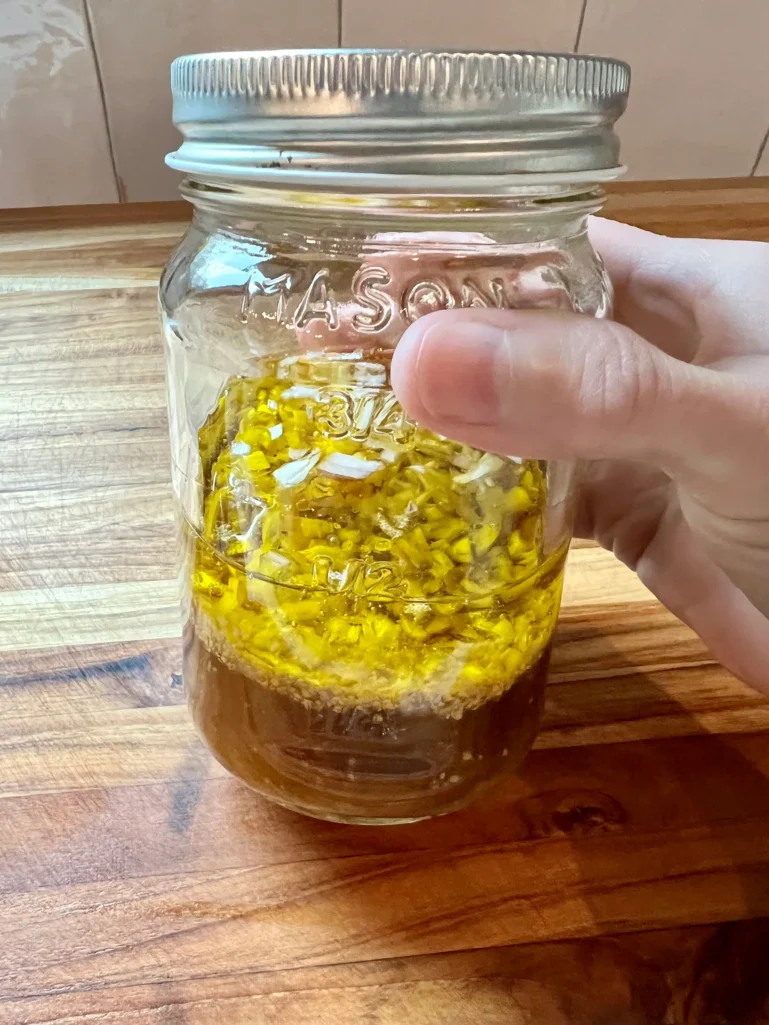
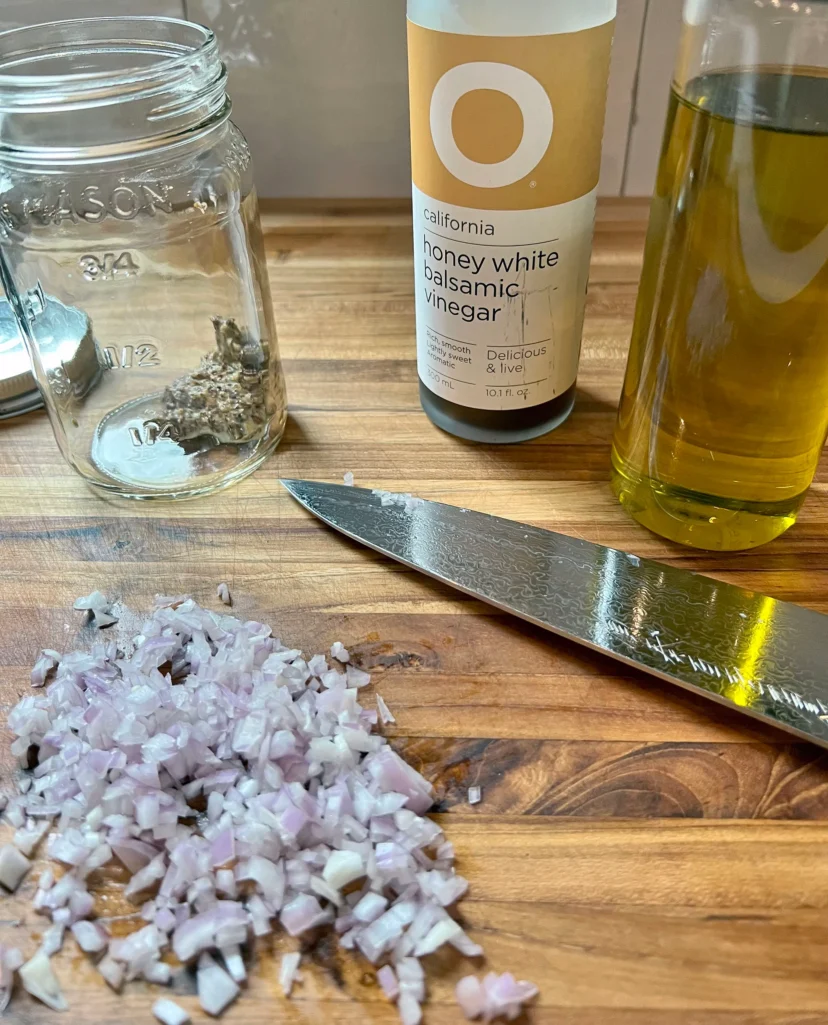
So, ¼ cup olive oil, ¼ cup (plus an extra splash) of vinegar, goes into the jar with the mustard and shallots. A squeeze of honey, if desired. About 5-7 cranks of fresh black pepper and a pinch of kosher salt. Screw on the lid and shake until combined. Set that aside. Be sure to shake it up again before using.
How to Build a Chef Salad
The only rules of a Chef Salad are that it has three kinds of meat and three kinds of cheese. Ultimately, the combination is up to you – the chef. Same for the veggies; go with what you like!
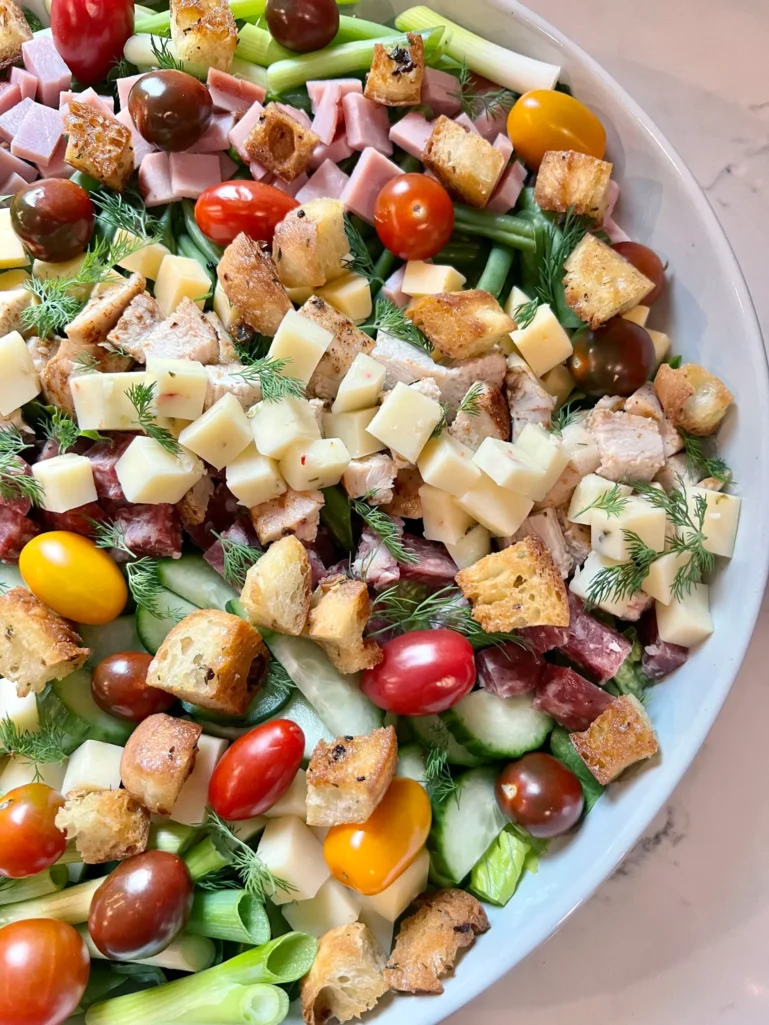
For a salad with many ingredients, I like to make a composed salad: start with a bed of lettuce, then arrange the ingredients like toppings in columns. This way, you can scoop across the columns to get a little of everything when you serve.
Step 2: The Greens
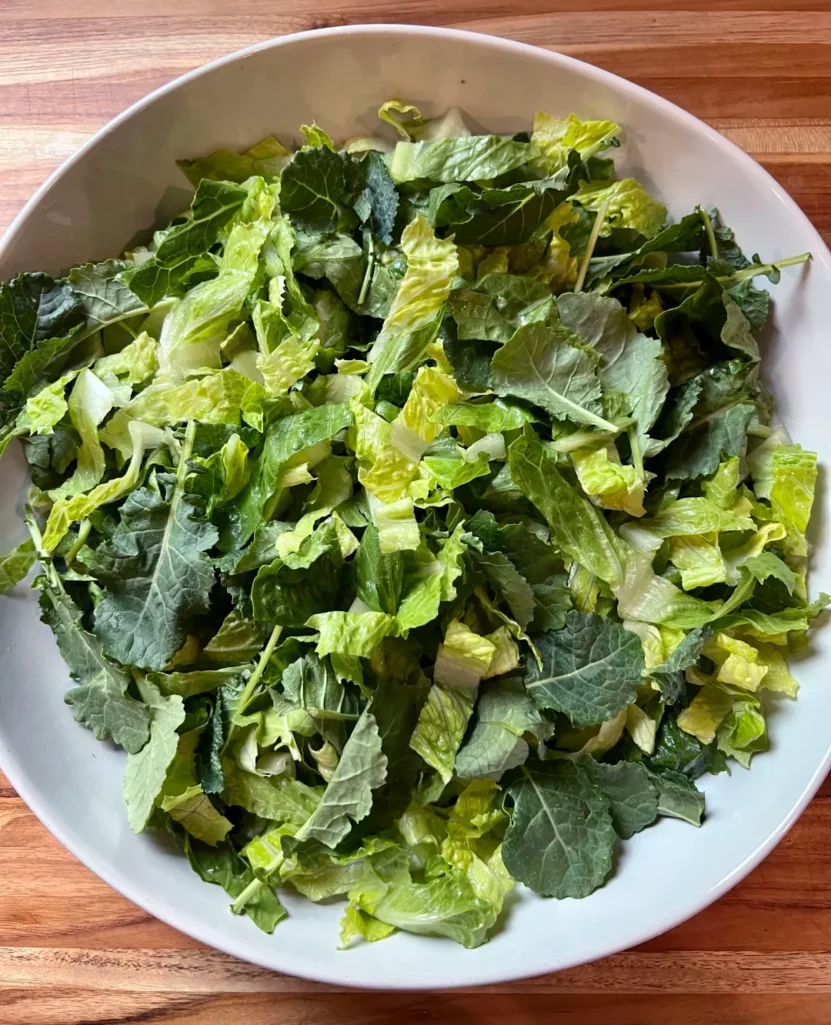
In my wide shallow serving bowl, I have a mix of romaine lettuce and baby kale. A perfect template for our colorful Chef Salad. The easiest way to prep and assemble this big salad is to prep, assemble, and clean up as you go. It saves counter space. Assemble all of your planned ingredients on the counter; then, one by one, prep an ingredient; arrange that ingredient on the bed of lettuce in the bowl; put the remainder (if any) of that ingredient away, wipe your cutting surface, and move on to the next ingredient.
Step 3: Veggies of Similar Color and Texture
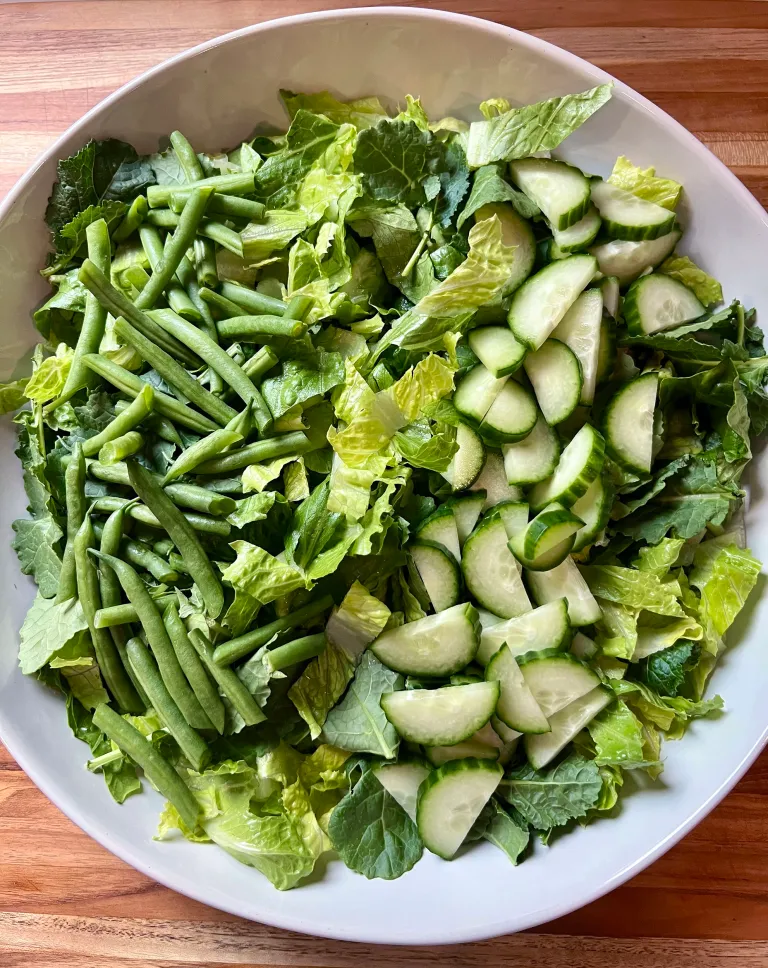
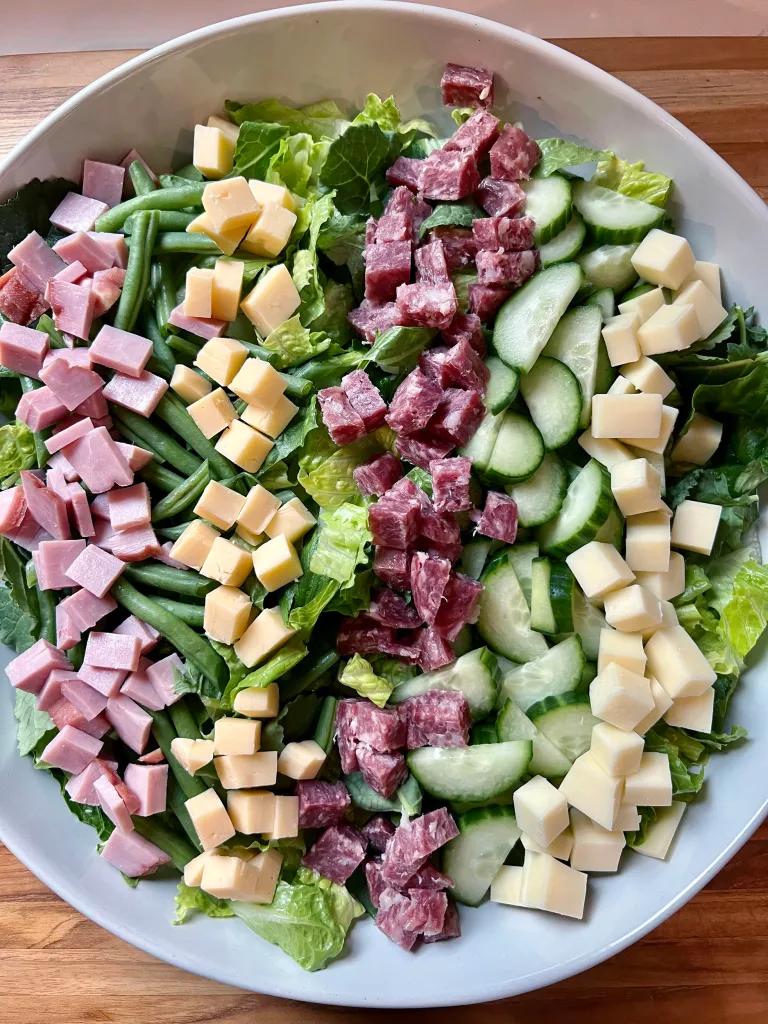
Start with ingredients of similar color and texture and arrange them in columns, on opposite sides. This will make varying the colors easier as we go. I am starting with my cucumber, then my green beans.
Step 4: The Meats
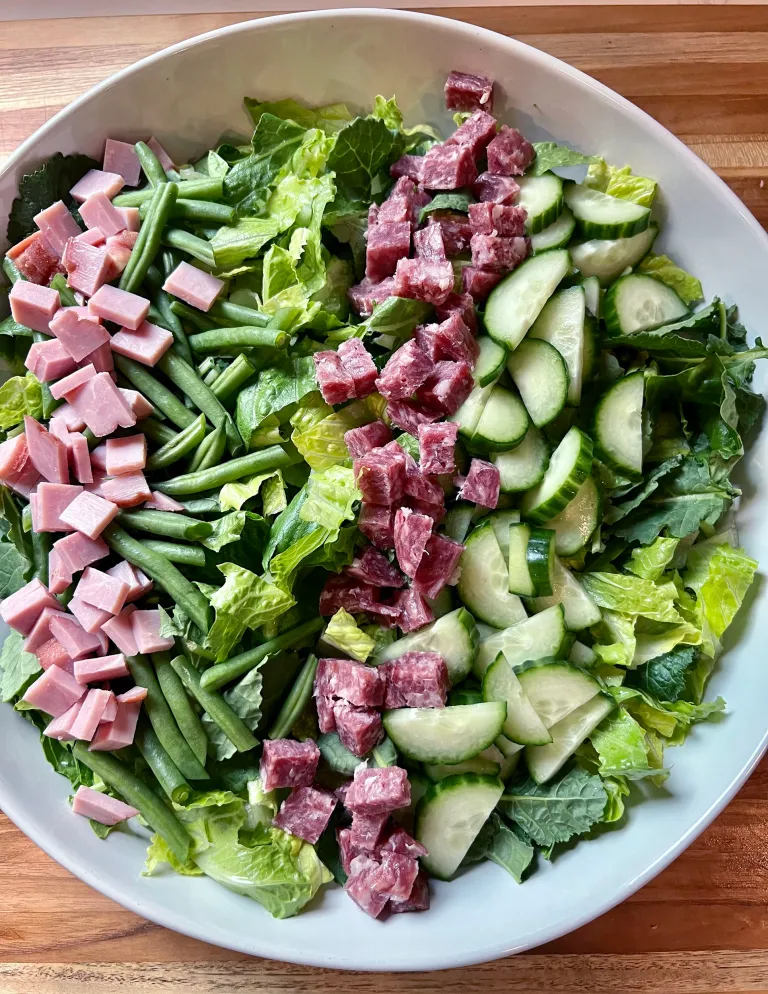
Now for my pink ingredients, which are salami and ham. For the non-veggie ingredients (meat and cheese), I like to dice them into 1/4-inch cubes. One thing I don’t particularly like in chef salads I have had before is that cheese or meat cubes tend to be in 1-inch cubes, which totally overwhelms a bite. It’s up to you, but if you like a reasonable mix of flavors and textures in each bite, err on the side of smaller cubes.
Like the cucumbers and beans, arrange them in columns, apart from each other.
Step 5: The Cheeses
Now for some cheese! I have sharp white cheddar and smoked Gouda to start. Arrange the similar colored cheeses in columns, apart from each other.
Step 6: More Meat and Cheese (YES!)
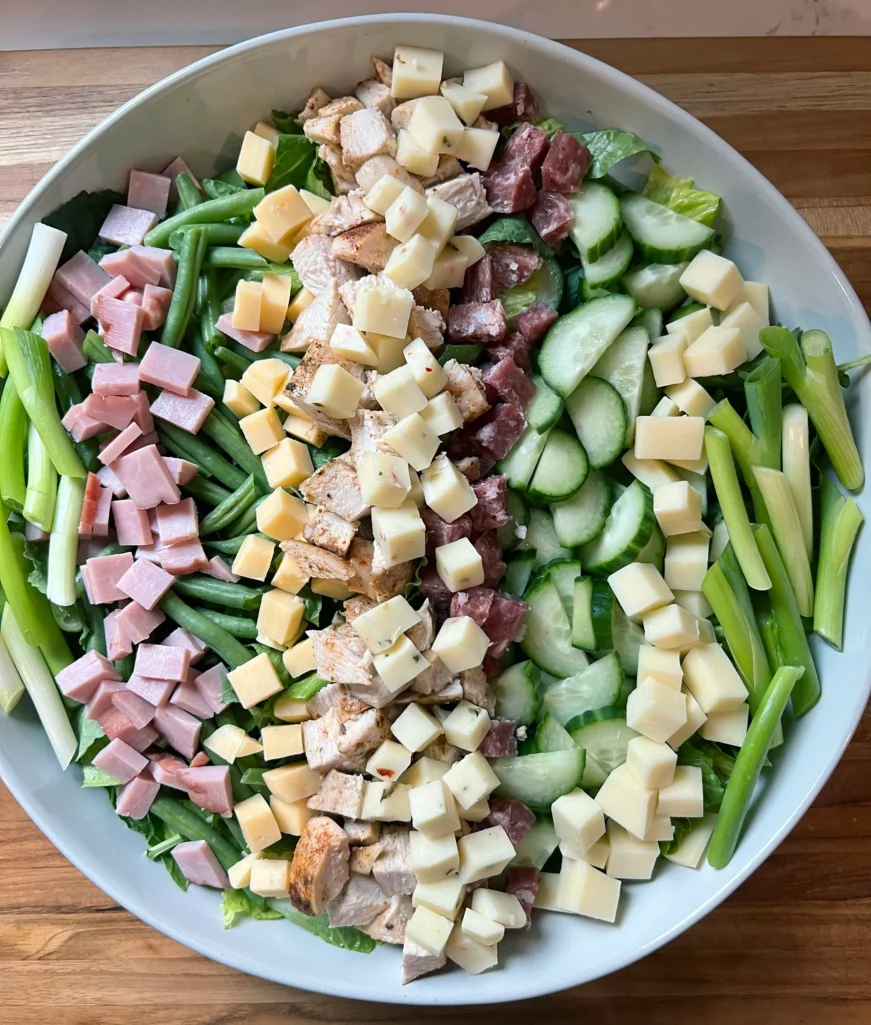
For the final meat and cheese, I have a chicken breast and pepper jack. Then, I have some scallions that I have left in longer cuts – mostly because Alex likes them that way, but also, they add more green and a little variety.
Step 7: Finishing Touches
To finish things off, I have some cherry tomatoes to dot the top of the salad, adding bright red and orange color, like jewels. We also have croutons. I made these by toasting some cubed Ciabatta bread tossed in olive oil with salt, shallot, and thyme. The final touch is some fresh dill scattered over the top.
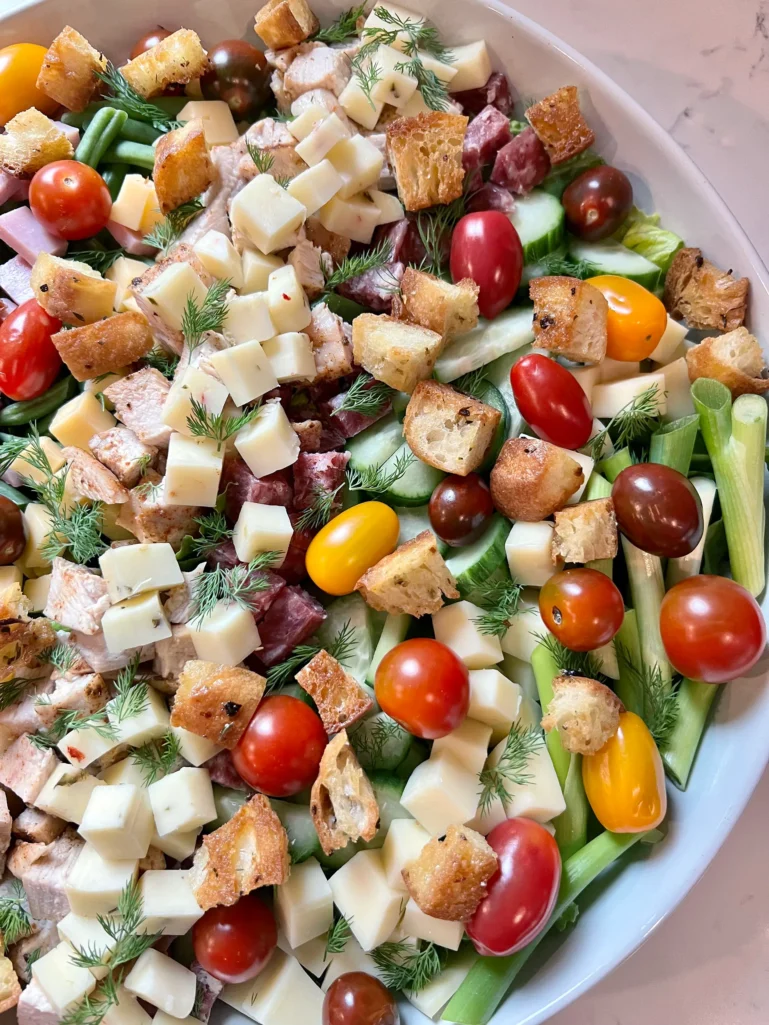
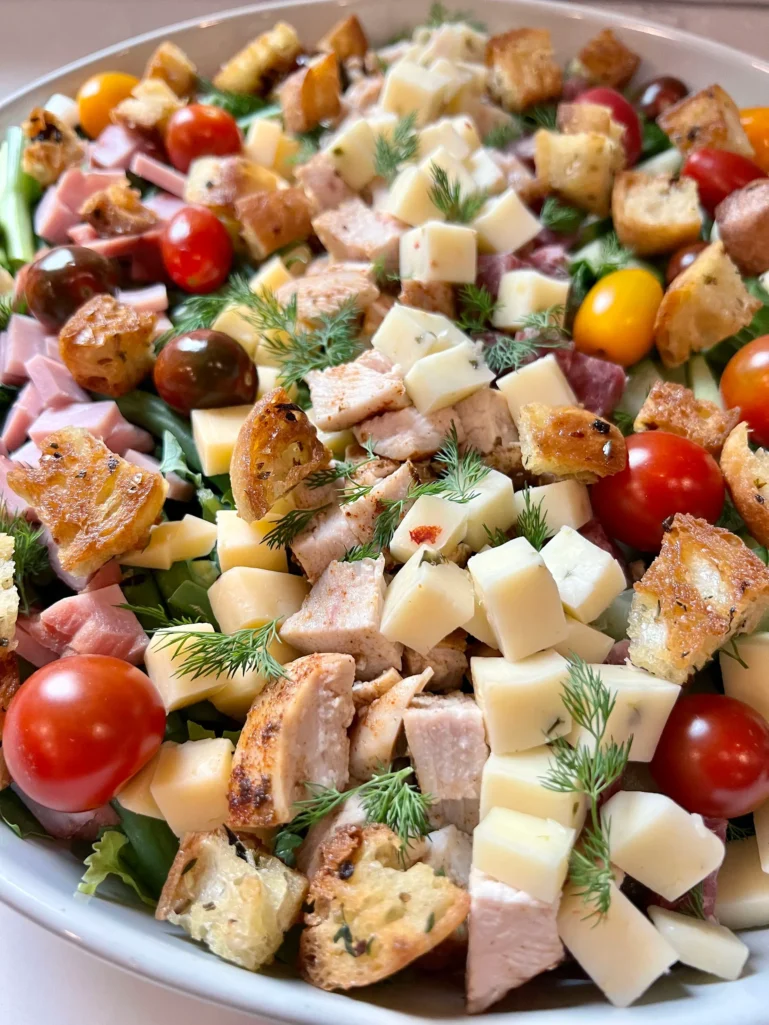
And that’s it! Drizzle the dressing over individual servings, and any remaining naked Chef Salad will keep really well, tightly covered in the fridge overnight.
A Salad Worth A Thousand Words
This post is less of a recipe and more of a tutorial for making a very pretty, well-balanced, delicious Chef Salad. You can use your favorite meats, cheeses, and veggies. You can also use whatever dressing you like best.
So no printable recipe today, just take these ideas and run with them – get creative! For more salad ideas, check out my Main Dish Cobb Salad. Thanks so much for stopping by today. Take care and be well! xo Kelly
FAQS – Chef Salad
A classic chef salad includes three kinds of meat and three kinds of cheese arranged on a bed of greens with fresh vegetables. Beyond that, the combination is up to you — that’s what makes it a chef’s salad.
Smaller is better! Cutting meat and cheese into quarter-inch cubes gives you a nice balance of flavors and textures in every bite, rather than one ingredient overwhelming the rest.
Arrange your ingredients in columns across the bed of lettuce instead of tossing everything together. Group similar colors on opposite sides of the bowl so the variety really pops.
Yes, but timing matters! For the best results — both flavor and presentation — I recommend assembling the salad no more than a few hours ahead. It will keep overnight in the fridge tightly covered, but the greens and colors are at their freshest within the first few hours. Hold off on adding the croutons and fresh herbs until right before serving so they stay crisp and vibrant. And dress individual servings at the table so everything stays fresh.
Anything you love works, but a simple shallot vinaigrette with olive oil, white balsamic vinegar, and Dijon mustard is a classic choice that doesn’t overpower the ingredients.
Why You Need A Wide Shallow Serving Bowl
The best serving vessel for a gorgeous salad is a wide, shallow serving bowl. I have a few, and I use them not only for salads, but for serving all kinds of things from pasta to roast chicken. See several great options below.
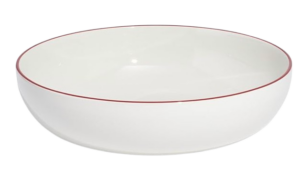
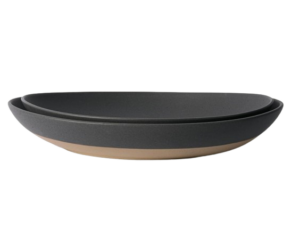
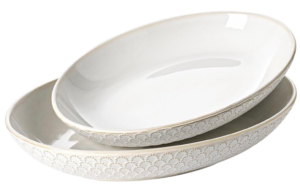
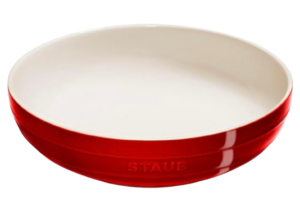
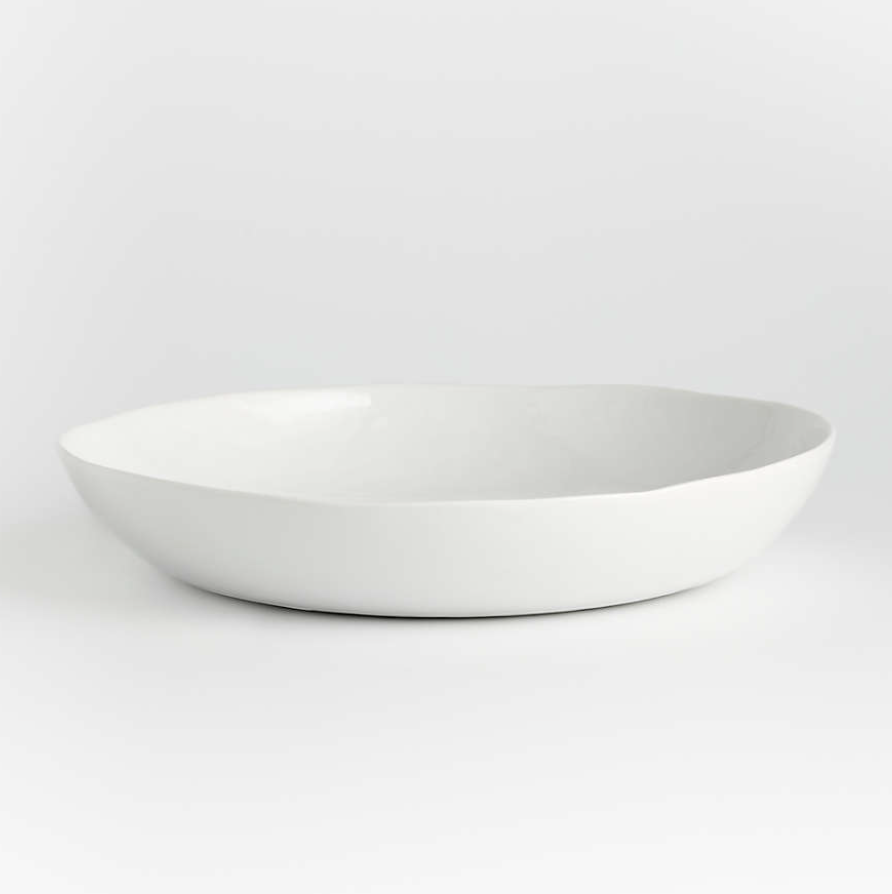
The serving bowl I have (and the one I use most often for all kinds of dishes) is the Mercer Porcelain Serving Bowl from Crate & Barrel.






LEAVE A COMMENT