
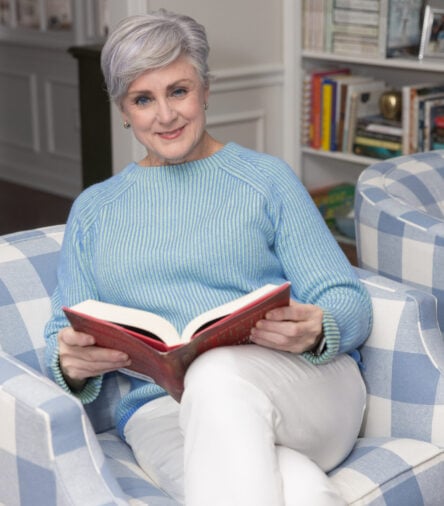




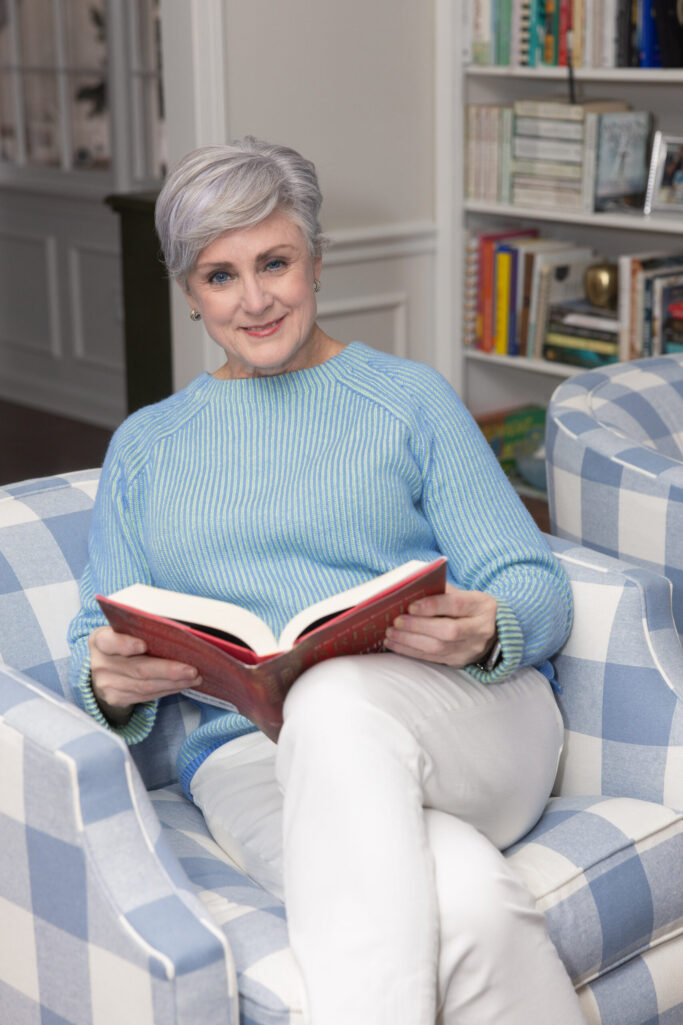
I am, among other things, a writer — which means I am also, necessarily, an obsessive reader. Books are how I understand character, how I learn to construct a sentence that earns its length, how I spend the first and last hours of any day worth having. They are also, in spring specifically, the best possible reason to sit on the porch with a cup of coffee and let the morning run longer than it should.
These six are the ones I’ve been reading, pressing into people’s hands, and thinking about after I’ve finished them. Two novels that are completely different and equally absorbing. A memoir that I read in two sittings and then immediately wanted to discuss with someone. A book about creativity that I’ve returned to three times since January. A non-fiction title that quietly reframed something I thought I already understood. And one that made me laugh out loud on a Tuesday, which is the most underrated function a book can serve.
Spring is the season for reading you’ll actually remember. Here are six worth starting.
What You’ll Find In This Post:
- 6 Books for the Spring Reading List
- 1. The Novel That Keeps You Up Past Your Bedtime
- 2. The Novel That Reads Like a Secret
- 3. The Memoir That Reads Like a Novel
- 4. The Non-Fiction That Quietly Reframed Everything
- 5. The Book About Creativity Worth Returning To
- 6. The Book That Made Me Laugh Out Loud
- Mini FAQ
- More Spring Inspiration
6 Books for the Spring Reading List
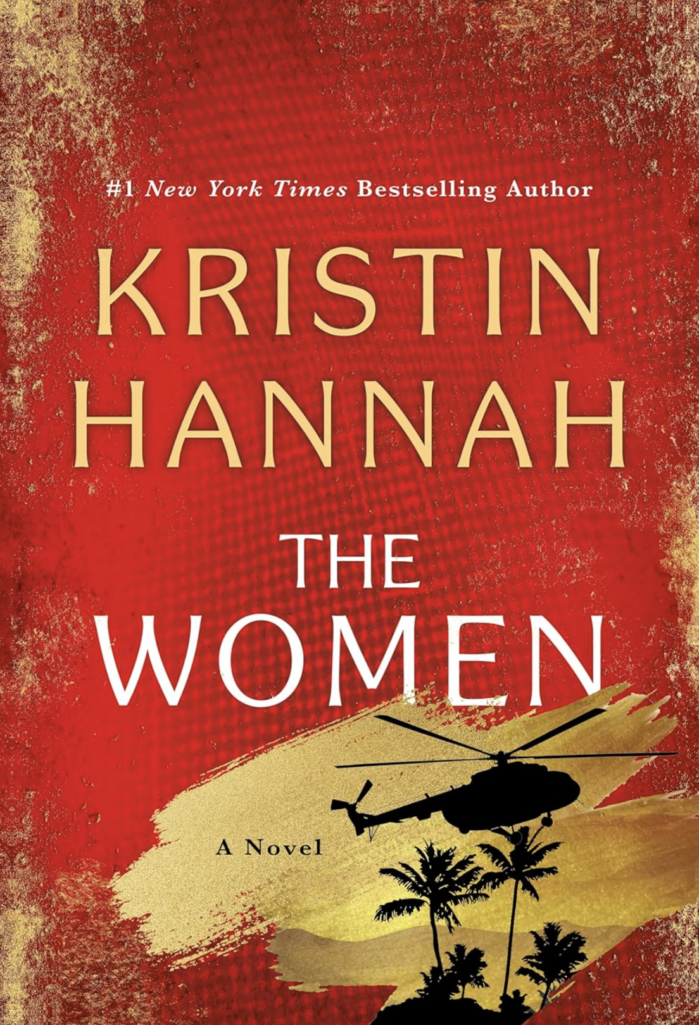
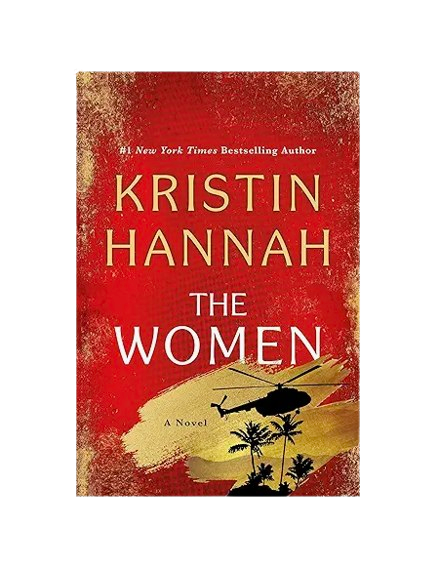
1. The Novel That Keeps You Up Past Your Bedtime
Kristin Hannah does not write books — she writes events. The Women follows Frankie McGrath, a young woman who enlists as an Army nurse during Vietnam and returns home to a country that doesn’t know what to do with her — or with any of the women who served. It is a war novel, a homecoming novel, and a novel about what it costs women to be brave in ways the world refuses to acknowledge. Hannah’s research is meticulous and her storytelling is propulsive: the chapters set in Vietnam are harrowing without being gratuitous, the chapters set after return are quietly devastating, and Frankie herself is the kind of character you carry with you for weeks after you’ve finished. This is the book that generates the three-hour dinner conversation about history and womanhood and what we owe each other. Start it on a Friday when you have the weekend.
2. The Novel That Reads Like a Secret
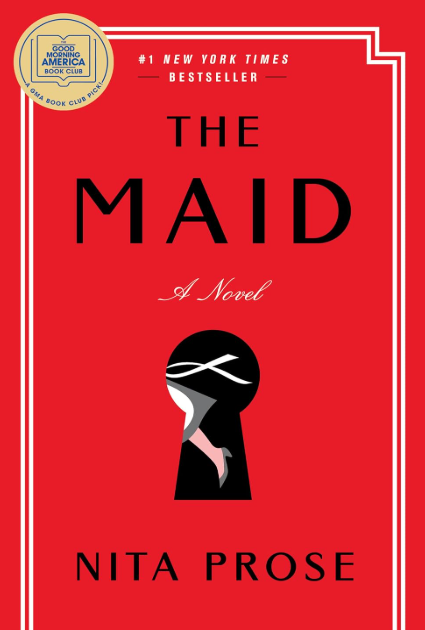
Molly the Maid is one of the most original protagonists in recent fiction: a hotel maid who sees the world with precise, literal clarity, finds genuine joy in the perfect arrangement of a hotel room, and discovers a dead body in one of them. What follows is a mystery, but it’s also a tender, funny, unexpectedly moving story about belonging, loneliness, and the people who show up for you in ways you don’t anticipate. Nita Prose writes with enormous affection for her characters — including the side characters, who feel as fully realized as Molly herself. It’s the book that’s easy to dismiss as light and turns out to be something considerably more substantial. The first in a series, which means you can follow Molly further once you’ve finished.
3. The Memoir That Reads Like a Novel
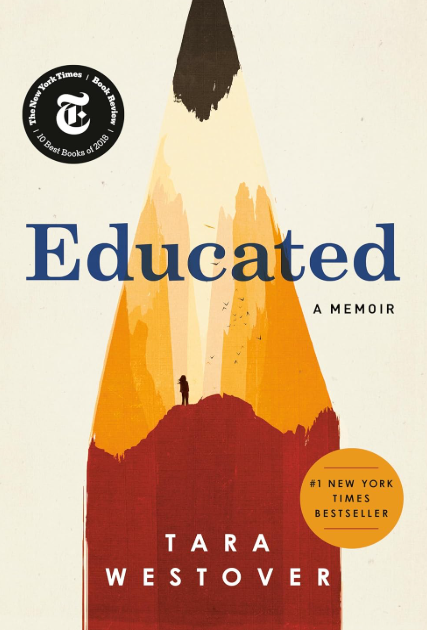
If you haven’t read Educated yet, spring is the time. Tara Westover grew up in rural Idaho, the daughter of survivalist parents who kept her out of school entirely — no birth certificate, no medical care, no formal education until she taught herself enough to pass the ACT and gain admission to BYU at seventeen. What she builds from there, academically and personally, is extraordinary. What she loses in the process is equally so. Westover writes with a novelist’s precision and a memoirist’s brutal honesty about family, identity, and what it means to construct yourself from almost nothing. The scenes from her childhood are so vividly rendered that you forget, occasionally, that they are true. This is a book that changes how you think about education, about family loyalty, and about the version of reality we inherit from the people who raise us.
4. The Non-Fiction That Quietly Reframed Everything
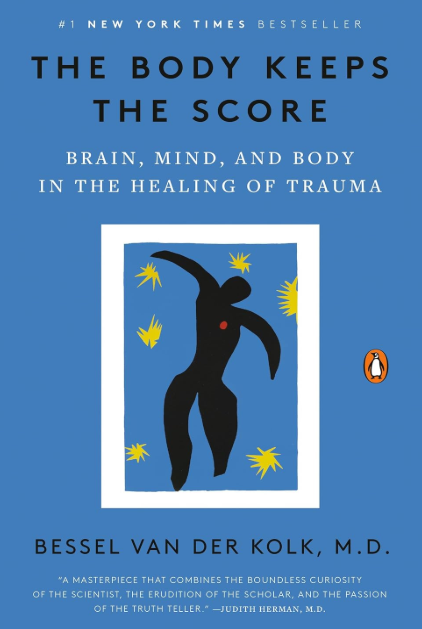
The Body Keeps the Score by Bessel van der Kolk
The Body Keeps the Score is the book about trauma that isn’t only for people who think of themselves as trauma survivors — which is to say, it’s for everyone. Bessel van der Kolk, a psychiatrist who has spent decades working with trauma patients, argues that trauma is not primarily a psychological phenomenon but a physiological one: it lives in the body, reshapes the nervous system, and expresses itself in ways that have nothing to do with memory or conscious thought. The implications for how we understand anxiety, depression, chronic pain, relationship patterns, and the general difficulty of being a person in the world are profound. It reads accessibly despite its clinical subject matter — van der Kolk writes for the general reader, not the specialist — and the later chapters on treatment and healing are as hopeful as the earlier chapters are sobering.
5. The Book About Creativity Worth Returning To
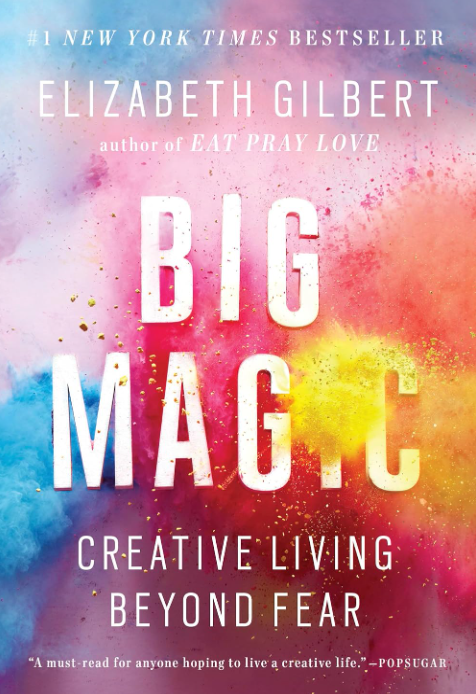
Big Magic: Creative Living Beyond Fear by Elizabeth Gilbert
Elizabeth Gilbert wrote Eat Pray Love, and then she wrote something I think is considerably more useful: Big Magic, a book about what it means to live creatively — to pursue ideas, make things, show up for the work — regardless of whether the world validates or rewards you for it. Gilbert’s argument is not that creativity is easy or that talent is sufficient or that the universe will reward you for following your passion. Her argument is quieter and more durable: that creative living is available to anyone willing to show up for it with curiosity rather than anxiety, and that the pursuit of the work is its own justification. I have read this three times and found something different and useful each time. For anyone who makes things — writers, gardeners, painters, cooks, anyone who has an idea they keep putting off — this is the book.
6. The Book That Made Me Laugh Out Loud
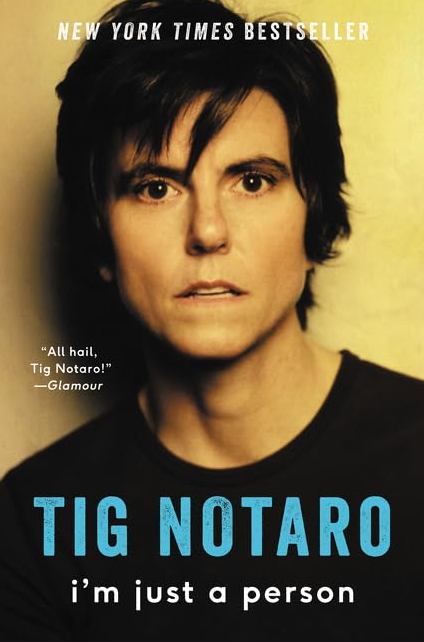
I’m Just a Person by Tig Notaro
Tig Notaro’s memoir covers the period of her life in which, within four months, she contracted a life-threatening intestinal disease, her mother died suddenly, she went through a painful breakup, and she was diagnosed with breast cancer — and then delivered the stand-up set that became one of the most celebrated comedy performances of the last decade. The book is funny in the way that only someone who has genuinely reckoned with catastrophe can be funny — not despite the darkness but through it, with a wit so dry it takes you a moment to realize you’re laughing. Notaro doesn’t moralize or package her experience into lessons. She simply recounts, with deadpan precision, one of the worst years a person can have and somehow makes it feel like a privilege to be in the room with her while she does.
What Makes a Good Spring Read
Spring books want to be finished. The longer days and the general optimism of the season create a reading momentum that winter, with its shorter light and heavier mood, sometimes doesn’t. Spring is the season for books with propulsive storytelling — novels that pull you forward, memoirs with an irresistible voice, non-fiction that makes you want to talk to someone about what you just read.
The porch changes everything. There is a particular quality to reading outside in April — the light is different, the sounds are different, the sense that the world is doing something interesting just beyond the page creates a pleasant background tension. These six books are all good porch reads. Some of them are better porch reads than others (Hannah and Prose for sunny afternoons; van der Kolk for a quieter morning with good coffee), but all of them benefit from being read somewhere other than the bedroom at midnight.
A reading list should earn your time. I don’t include books on a list like this because they’re current or because I feel obligated to be up to date. I include them because they gave me something — a character I couldn’t stop thinking about, a reframe I didn’t expect, a Tuesday laugh I didn’t know I needed. These six gave me something. I hope they do the same for you.
How to Actually Read More This Spring
Give yourself the first twenty minutes of the morning. Before the phone, before the news, before anything that makes a demand on your attention — twenty minutes with a book changes the character of the whole day. It’s the morning habit that costs nothing and pays out all day in the form of a mind that’s already been somewhere interesting before the work starts.
Keep one book in every room. The bathroom, the kitchen counter, the bedside table, the porch. When reading requires going to find the book, it happens less. When the book is already there, it happens naturally in the small gaps of the day that add up to significant reading time by the end of the week.
Give a book fifty pages before you quit. Some of the best books have slow openings. Educated took me forty pages to fully inhabit. The Maid clicked immediately. Neither pace is wrong — but fifty pages is the fair evaluation window before deciding a book isn’t for you.
Read two at once. One fiction, one non-fiction — they don’t compete, they alternate. When you’re too tired for the emotional engagement of a novel, the non-fiction is waiting. When you want to be transported rather than informed, the novel is there. This is the reading system that eliminates the “I don’t know what to read next” paralysis that interrupts reading momentum.
Mini FAQ
The Maid by Nita Prose is the first in the Molly the Maid series — The Mystery of Mrs. Christie is next if you fall in love with the character, which you will. The others are standalone titles.
The Maid — it’s engaging from the first page, not too long, and the warm, slightly quirky voice makes it genuinely enjoyable to spend time with. Big Magic is also a quick, accessible read that doesn’t require sustained concentration the way a novel does.
The Body Keeps the Score requires the most sustained attention and the most willingness to sit with uncomfortable ideas. It’s not technically difficult, but it’s emotionally dense. Read it in sections rather than in long sittings and it’s entirely manageable.
No — they’re completely separate books and Big Magic doesn’t require any familiarity with Gilbert’s earlier work. If anything, Big Magic is the better book and a complete standalone.
Yes — van der Kolk is explicit that his readership extends well beyond trauma survivors. The book is as much about understanding human behavior and resilience as it is about clinical trauma, and most readers find something personally relevant in it regardless of their history.
✨ Beth’s Take: Why I Read What I Read
I read for the same reason I write: to understand people better than daily life allows me to. The novel gives you access to an interior life that even the person living it can’t always articulate. The memoir gives you a true story told with the distance and craft that truth rarely has in the moment. The non-fiction gives you a framework for the experiences that have always been present but never fully explained.
These six books all did one of those things for me, and some of them did more than one. Kristin Hannah gave me Frankie, who I thought about for two weeks after finishing. Tara Westover gave me a framework for understanding what we inherit from our families that I’ve returned to in conversation more times than I can count. Elizabeth Gilbert gave me permission to keep showing up for the work without demanding that the work pay me back in particular ways — which is the most useful thing a book about creativity can do.
Spring is when I read most ambitiously and most pleasurably. The light cooperates. The porch beckons. The sense of the season opening up creates a generosity of time that winter contracts. If you read one of these six this spring and it gives you something — a character, a conversation, a Tuesday laugh — that’s everything a reading list can hope for.
More Spring Inspiration
For the spring that’s happening beyond the pages — the style, the beauty, the small finds that make the season feel like itself — 6 Little Spring Things That Spark Joy is the post for the week you want something that requires nothing of you except noticing. And for the story behind the lucky jacket and the Charlotte writers’ conference pitch that started this particular spring on the most unexpected note, The Lucky Jacket, a Novel, and a Monday That Didn’t Lie is worth reading with your coffee this weekend.
Closing Thoughts
Ready to Build Your Spring Reading List?
Start with the one that calls to you most from this list — the novel, the memoir, the Tuesday laugh, whichever it is. Put it somewhere you’ll actually pick it up. Give it fifty pages. And let spring be the season you remember what it feels like to be fully absorbed in a book rather than a screen. These six are worth your time. The porch is ready. The light is staying longer. There’s no better moment than this one.



LEAVE A COMMENT