










The best kitchen appliances aren’t always the ones you think you need—sometimes they’re the ones you actively resisted until finally trying them. These five changed how I cook not because they’re trendy, but because they genuinely solve problems and save time in ways I didn’t expect.
What You’ll Find in This Post
- 5 Kitchen Appliances I Was Wrong About
- 1. The Instant Pot I Mocked Until I Made 7-Minute Risotto
- 2. The Food Processor I Should’ve Bought a Decade Ago
- 3. The Immersion Blender That’s More Useful Than My Regular Blender
- 4. The Kitchen Scale That Made Me a Better Baker
- 5. The Electric Kettle That I Now Use Multiple Times Daily
- Mini FAQ
- More Kitchen Inspiration
5 Kitchen Appliances I Was Wrong About
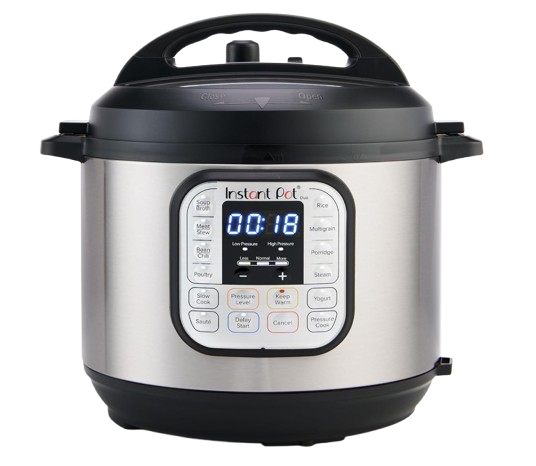
1. The Instant Pot I Mocked Until I Made 7-Minute Risotto
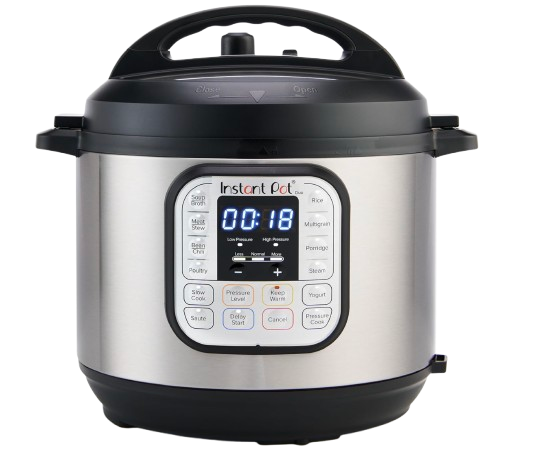
I’ll admit it: I was one of those people who rolled my eyes at Instant Pot evangelists. It seemed like a unitasker taking up valuable counter space, and I already knew how to cook—why did I need a pressure cooker with seventeen functions I’d never use?
Then I borrowed one from Kelly. And made risotto in 7 minutes. Perfect, creamy risotto without standing over the stove stirring constantly for 30 minutes. No babysitting, no constant attention, just dump everything in and walk away.
What changed my mind:
It’s not about doing things I couldn’t do before—it’s about doing them faster and with less attention. Rice in 3 minutes. Dried beans that normally take hours, ready in 30 minutes. Tough cuts of meat fall-apart tender in a fraction of the time. Hard-boiled eggs that peel perfectly every single time.
What I actually use it for:
- Risotto: 7 minutes, no stirring, perfect every time
- Rice and grains: Set it and forget it, never burns or sticks
- Beans from dried: No soaking needed, ready in 30-45 minutes
- Pulled pork or pot roast: 90 minutes for meat that usually takes 4+ hours
- Hard-boiled eggs: 5 minutes pressure, ice bath, shell slides right off
- Quick soups and stews: Dump ingredients in, pressure for 20 minutes, done
2. The Food Processor I Should’ve Bought a Decade Ago
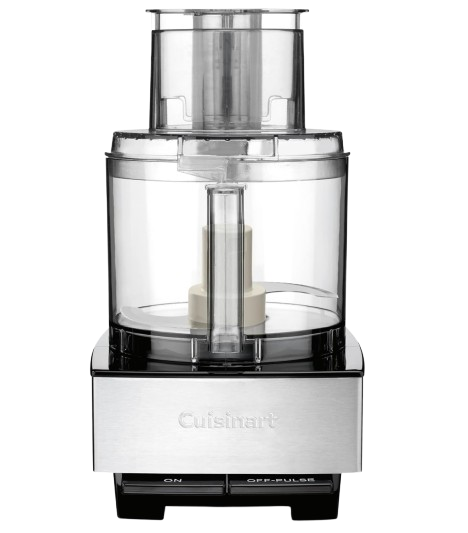
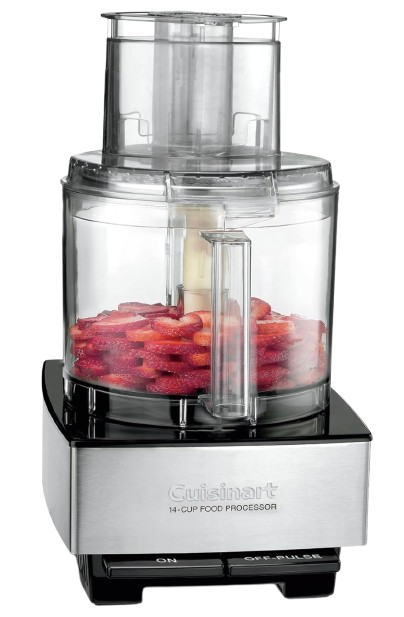
Cuisinart 14-Cup Food Processor
For years, I chopped onions by hand. Grated cheese by hand. Made pie crust with a pastry cutter. I told myself it wasn’t that much work, that I didn’t cook in large enough quantities to justify a food processor, that I didn’t have space for another appliance.
Then I finally bought one for Thanksgiving prep (making stuffing for twenty people was my breaking point). Within a week, I was using it for everything. The time I’d wasted hand-chopping vegetables for years suddenly felt absurd.
What changed my mind:
The first time I made pesto—threw everything in, pulsed for 30 seconds, done. No tedious chopping, no mortar and pestle, just perfectly smooth pesto in less time than it took to boil the pasta water. I was converted.
What I actually use it for:
- Chopping vegetables: Onions, peppers, carrots for soups and stews—done in seconds
- Shredding cheese: A block of cheese shredded in 10 seconds vs. 5 minutes on a box grater
- Making pie crust: Cold butter incorporated perfectly, no overworking, flakiest crust I’ve ever made
- Pesto, hummus, sauces: Blend ingredients to perfect consistency without the mess of a blender
- Breadcrumbs: Stale bread becomes fresh breadcrumbs in seconds
- Slicing: The slicing disc makes uniform vegetable slices for gratins or salads
3. The Immersion Blender That’s More Useful Than My Regular Blender
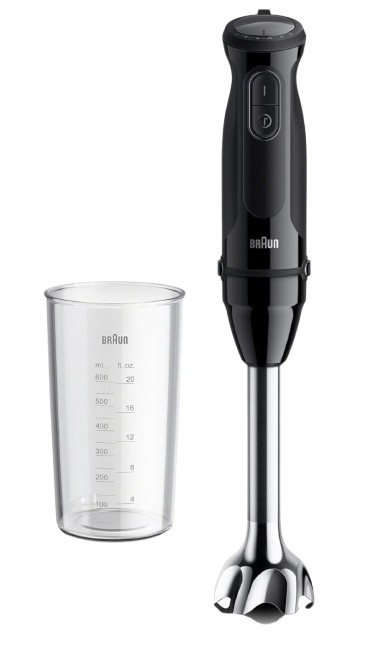
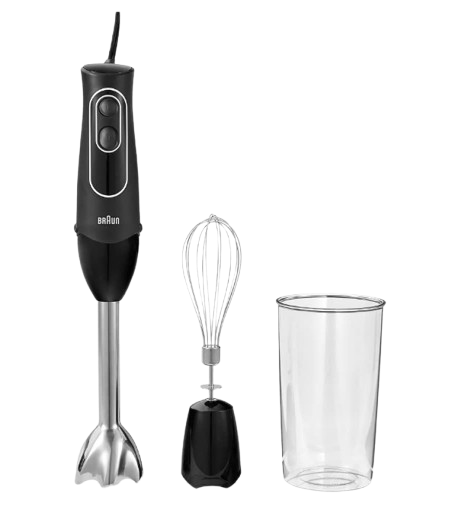
Braun MultiQuick 5 Immersion Blender
I already owned a countertop blender, so why would I need an immersion blender? They seemed like a specialty tool for people who made soup constantly. Then I borrowed one to make butternut squash soup, and I haven’t used my regular blender since.
What changed my mind:
Blending soup directly in the pot instead of transferring hot liquid in batches to a blender (and inevitably splattering it everywhere or burning myself). The first time I pureed an entire pot of soup without moving it, cleaning multiple containers, or creating a disaster, I ordered my own immersion blender that day.
What I actually use it for:
- Pureeing soup in the pot: No transfers, no mess, perfect consistency
- Making smoothies: Blend directly in the glass you’ll drink from, one dish to wash
- Whipped cream: Faster than a mixer, perfect control over consistency
- Salad dressings and sauces: Blend directly in a measuring cup, immediate emulsification
- Mashed potatoes: Smooth and creamy without overworking (go easy or they get gluey)
- Baby food or purees: Small quantities done easily without dragging out the big blender
4. The Kitchen Scale That Made Me a Better Baker
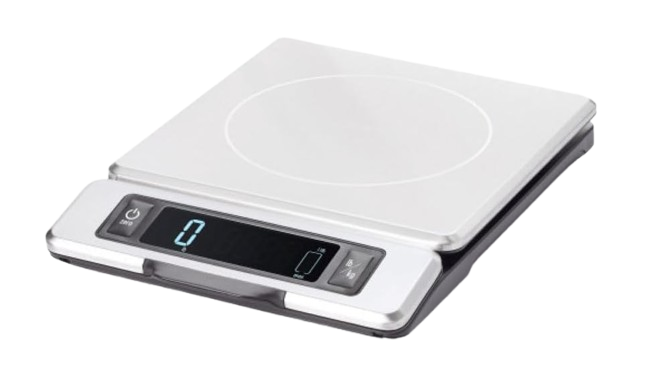
OXO Good Grips Stainless Steel Food Scale
I baked for years using measuring cups, and my results were… fine. Sometimes the cookies spread too much, sometimes the cake was dense, and sometimes bread didn’t rise properly. I blamed recipe variations or my oven. Then I learned about baker’s percentages and weight measurements and realized the problem was my inconsistent measuring.
One bag of flour can weigh significantly different amounts depending on how you scoop it. A “cup” of flour could be 120 grams or 150 grams depending on how packed it is. That 30-gram difference? That’s why your cookies spread.
What changed my mind:
The first batch of chocolate chip cookies I made using weight measurements—perfectly uniform, ideal texture, exactly like the recipe promised. Every time. No more “why did these turn out differently than last time?”
What I actually use it for:
- Baking: All dry ingredients by weight for consistent results
- Portioning dough: Divide cookie or bread dough into exactly equal pieces
- Meal prep: Portion protein, grains, vegetables into consistent servings
- Coffee: Measure coffee grounds precisely for perfect pour-over (17:1 water to coffee ratio)
- Monitoring food: When recipes say “8 oz chicken breast,” I actually know what that means
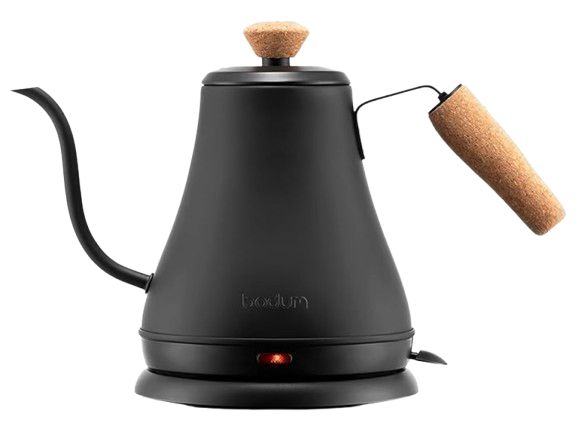
5. The Electric Kettle That I Now Use Multiple Times Daily
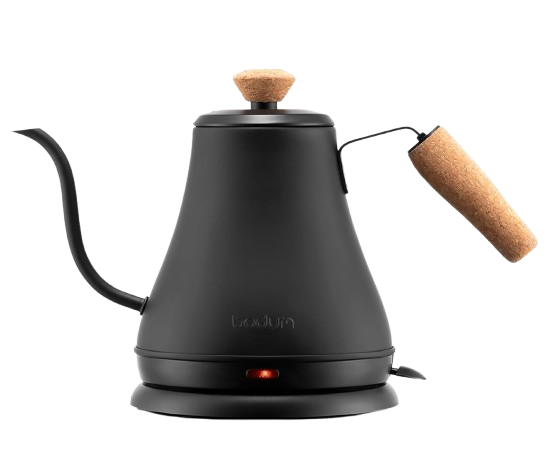
I grew up boiling water on the stove. It worked fine. Why would I need a whole appliance just to boil water? Then I stayed at an Airbnb in Europe where electric kettles are standard, and I realized how much time I’d been wasting.
Water boils in 3-4 minutes instead of 8-10 on the stove. The kettle shuts off automatically when done. I can boil exactly the amount I need. And I use boiling water way more often than I realized.
What changed my mind:
The morning I wanted tea but didn’t want to wait for the stove kettle to boil while I was already running late. Grabbed the electric kettle, had boiling water in 3 minutes, made tea, left for work. The convenience was undeniable.
What I actually use it for:
- Tea and coffee: Obviously, but way more convenient than stove
- Instant oatmeal: Boiling water ready before I finish setting the table
- Pasta water: Get water boiling while I prep ingredients, head start on cooking
- Blanching vegetables: Quick boiling water for shocking greens or tomatoes
- French press coffee: Precise temperature control for optimal extraction
- Quick soups: Pour boiling water over miso paste, bouillon, or ramen
- Sanitizing: Boiling water for sterilizing jars, cleaning tools, killing bacteria
The Pattern: Why I Resisted (And Why I Was Wrong)
Looking back at these five appliances, my resistance had common threads:
“I don’t have space for another appliance”
True, counter space is limited. But appliances you use 3-4 times per week earn their space. The ones gathering dust in cabinets don’t. These five all proved they deserved permanent spots.
“I can already do this by hand”
Also true. But doing things by hand that could be done faster by machine doesn’t make you a better cook—it just makes you more tired. Save your energy and attention for the cooking that actually matters.
“It seems like a trendy gimmick”
Some kitchen gadgets are gimmicks (looking at you, avocado slicer). But these five have lasted because they solve real problems: saving time, improving consistency, reducing effort, or achieving results that are difficult by hand.
“I don’t want to learn something new”
Fair. There’s a learning curve with each of these. But it’s shorter than you think—usually 3-4 uses until you’re comfortable. And the payoff in time and frustration saved is immediate.
Which One to Buy First?
If you bake regularly: Kitchen scale ($55)
Most immediate impact on baking quality and consistency
If you cook weeknight dinners: Instant Pot ($110)
Biggest time-saver for regular cooking, replaces multiple appliances
If you make soups or smoothies: Immersion blender ($60-80)
Most versatile for the price, easier than regular blender
If you do meal prep or large batch cooking: Food processor ($200-250)
Biggest upfront cost but transforms large-quantity cooking
If you drink tea or coffee daily: Electric kettle ($40)
Smallest lifestyle change, biggest daily convenience
Mini FAQ
No. Buy based on what you actually cook. If you never bake, skip the scale. If you don’t drink tea, skip the kettle. These are the ones I use constantly—your list might be different.
The Instant Pot and electric kettle live on my counter (I use them almost daily). The food processor and immersion blender are in a lower cabinet I can reach easily. Kitchen scale lives in a drawer. If it’s hard to access, I won’t use it.
For Instant Pot and the immersion blender, mid-range is fine. For the food processor, invest in quality—cheap ones lack power and break quickly. For the kitchen scale and electric kettle, mid-range hits the sweet spot of features and durability.
Most retailers have generous return policies. Buy one, use it for a week, return it if you’re not using it. But give it an honest try—use it 3-4 times before deciding.
Electric appliances are risky used (you don’t know if they work properly or have damage). Refurbished from reputable sellers (Amazon Warehouse, manufacturer refurbs) can save money. I’d avoid Craigslist or garage sale appliances with heating elements or motors.
✨ Beth’s Take: Why I’m Writing This
I spent years being smug about not needing “trendy kitchen gadgets.” I chopped by hand, I stirred risotto for 30 minutes, and I boiled water on the stove like my grandmother did. I thought resisting these tools made me a more authentic cook.
Actually, it just made me tired and less likely to cook. The night I realized I could make risotto in 7 minutes instead of 30, I stopped feeling superior and started feeling foolish. All those evenings I’d skipped making something I wanted because it took too long—unnecessary.
The food processor revelation was similar. The first time I made pie crust in 2 minutes instead of 15 minutes of hand-cutting butter into flour, I had to admit that my martyrdom wasn’t serving me. Using tools doesn’t diminish your cooking skills—it frees you to focus on the parts that actually require skill and attention.
These five appliances didn’t make me a better cook in terms of technique. They made me a better cook by removing friction and frustration from everyday cooking. I cook more now because it’s easier. I try more recipes because the tedious parts are faster. I have more energy to pay attention to seasoning and timing because I’m not exhausted from hand-chopping vegetables.
If you’re resisting any of these because you think you “should” be able to do it the hard way—you should, and you can. But you don’t have to. Using tools that make cooking easier and more enjoyable isn’t cheating. It’s smart.
More Kitchen Inspiration
For more kitchen tools that actually earn their space, check out The Kitchen Tools I Can’t Live Without (I Use Them Every Week)—these are the basics I reach for constantly. And for organizing all these appliances and tools, browse The Kitchen Organizers That Make Cooking Less Chaotic for storage solutions that make everything accessible.
Closing Thoughts
It’s Time to Stop Resisting
The best kitchen appliances aren’t always the ones you think you need—sometimes they’re the ones you actively resisted until trying them. These five changed how I cook not through gimmicks or trends, but by genuinely solving problems and saving time in unexpected ways. Choose based on what you actually cook, give them an honest trial period, and be willing to admit when you were wrong about not needing them. Your cooking life will be easier for it.






Seconding your sentiments on all of these!
The instant pot risotto is foolproof. We’ve made it soooo many times, its mostly what we use our instant pot for. Also regular rice, because our propane stove at our mountain cabin can’t go low enough for cooking it the old fashioned/regular way.
Any sort of stir-fry, a food processor is incredible. Or if you want meat in thinner slices for something like a Thai (you just want the meat a tiny bit frozen still when you slice it, so that it doesn’t mush.
Immersion blender is the bees knees, especially if you get one with the additional attachments like a whisk. We make our own pasta sauce each summer, about 50lbs of tomatoes at a time! Invaluable.
Weight scale – I grew up in the UK so this is the only way I knew to bake, as recipes there are all by weight, and no-one owns a set of cups. Measuring spoons yes, cups, absolutely not. I’d never even heard of them till I moved here!
Kettle – ditto. The only thing I grew up with. An electric kettle is so ubiquitous in the UK that the cliche is that you receive at least 3 as wedding presents. Ours was going constantly. Now I have one of the ones where you can set the specific temperature you want, as herbal, white, green and black tea should all be brewed at different temps. The way Americans make tea drives us Brits crazy! See Maggie Smith in the sequel to The Best Exotic Marigold Hotel: https://www.youtube.com/watch?v=6JIKwjvCrg4 The struggle is real!
Finally, the one thing I’d add is a battery power milk frother. So easy to make a quick vinaigrette, or thicken some cream, and it fits in the cutlery drawer. That’s the one I scoffed at, but now would never be without, especially for how little space it takes up.
I’m with you regarding the immersion blender (my favourite small appliance) and the food processor (I also waited far too long to get a full-sized one). Another use for my electric kettle: when I unravel yarn from a sweater I’ve thrifted, so that I can reuse it and knit something new, I pass the yarn over the steam of the boiling water, then wind it into a tight ball. No kinks in the yarn when I’m ready to knit! ❤️🇨🇦