




A good belt is the simplest way to transform an outfit—it defines your waist, breaks up monochrome looks, adds visual interest, and creates shape where none exists. The trick is knowing where to place it, what width works, and which outfits benefit from belting versus those that don’t.
What You’ll Find In This Post:
4 Ways to Wear a Belt (And Transform Your Outfits)
1. Over a Monochromatic Outfit to Add Interest and Proportion
The technique:
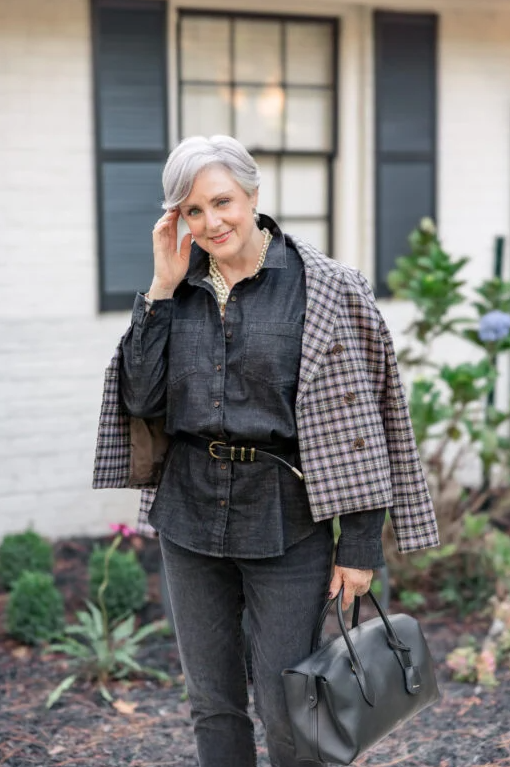
Wear a slim or medium-width belt at your natural waist over a slightly oversized chambray or denim shirt paired with jeans in the same color family. The belt breaks up the monochromatic denim-on-denim look, defines your waist, and creates proportion in an outfit that could otherwise read as shapeless.
What belt to use:
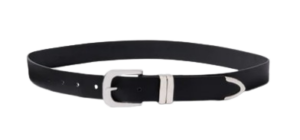
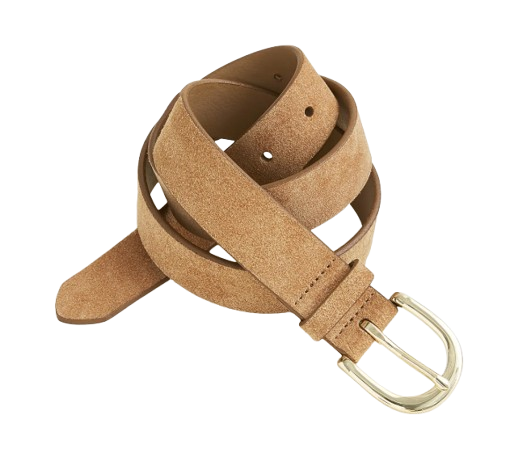
Slim to medium leather belt (1-1.5 inches) in a contrasting color—cognac or tan belt with blue denim creates warm contrast, black belt adds edge and definition. The belt should be visible and intentional, not blending into the denim.
How to wear it:
Leave the blouse untucked and slightly oversized, position the belt at your natural waist over the blouse, and let the fabric blouse gently over the belt. Pair with straight-leg or wide-leg jeans in a similar denim wash and ankle boots or loafers. The belt creates a clear waist definition and breaks up the head-to-toe denim into distinct proportions.
Why this works:
Monochromatic denim outfits can look chic but also run the risk of appearing shapeless or too casual. The belt adds structure, creates a focal point, and defines proportions—making it clear this is an intentional outfit, not just jeans and a shirt you grabbed randomly. The slight blousing over the belt adds softness while maintaining shape.
Beth’s Pick
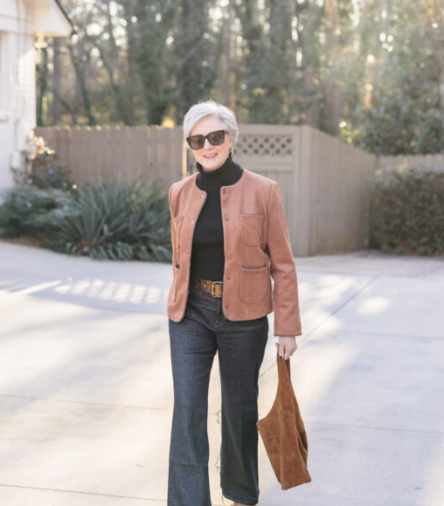
2. Through the Loops of Wide-Leg Pants for Polish
The technique:
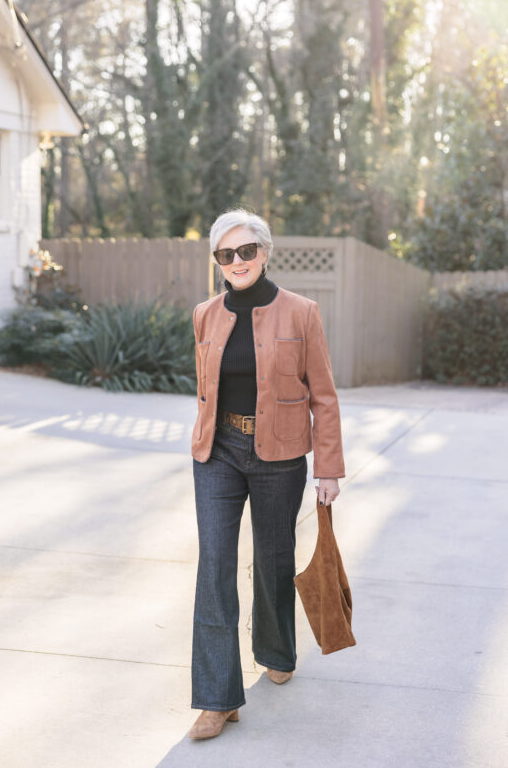
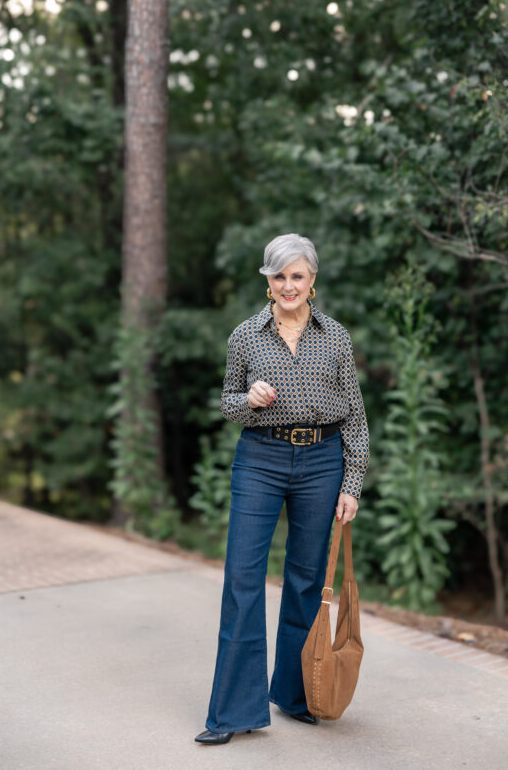
Thread a classic leather belt through the belt loops of high-waisted wide-leg pants or jeans, then tuck in your top completely to emphasize the waist and create a long, clean leg line. This is the most traditional way to wear a belt, but it’s classic because it works.
What belt to use:
Medium-width leather belt (1.5-2 inches) that coordinates with your shoes. Match your belt to your shoe color for a cohesive look—brown belt with brown boots, black belt with black loafers. The buckle should be simple and proportionate, not oversized or overly decorative.
Beth’s Pick
How to wear it:
Tuck your top fully into the waistband (no half-tucks or French tucks here—commit to the full tuck), thread the belt through all loops, and buckle at the center front. Make sure the belt sits flat against your waist without pulling or gapping. Pair with a tucked blouse, t-shirt, or fitted sweater and heeled boots or loafers to maintain the elongated leg line.
Why this works:
High-waisted wide-leg pants need a defined waist to balance the volume on the bottom. The belt emphasizes the narrowest part of your body while the wide legs balance hips and create a long, elegant silhouette. This is the power outfit formula for a reason—it’s universally flattering and always looks polished.
3. Over a Dress to Break Up the Silhouette
The technique:
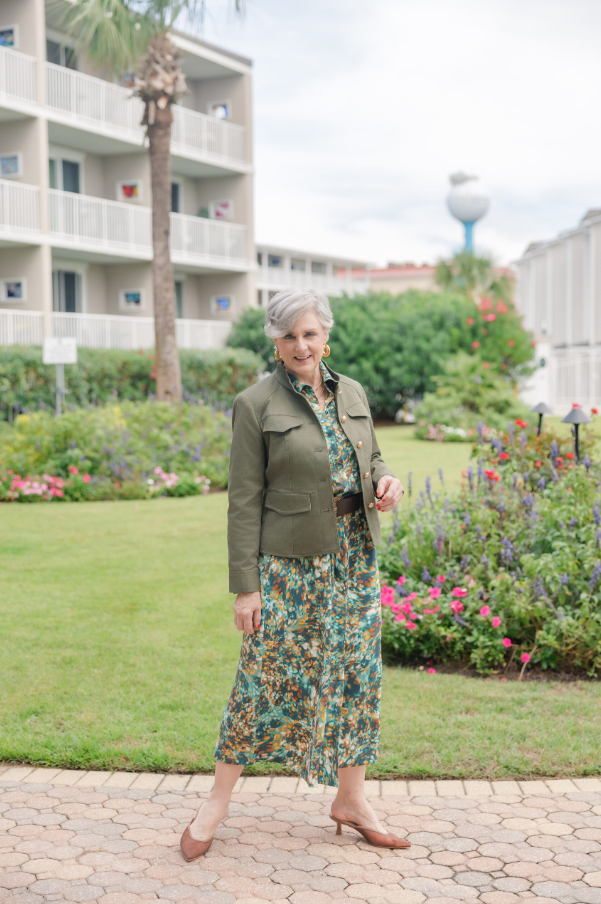
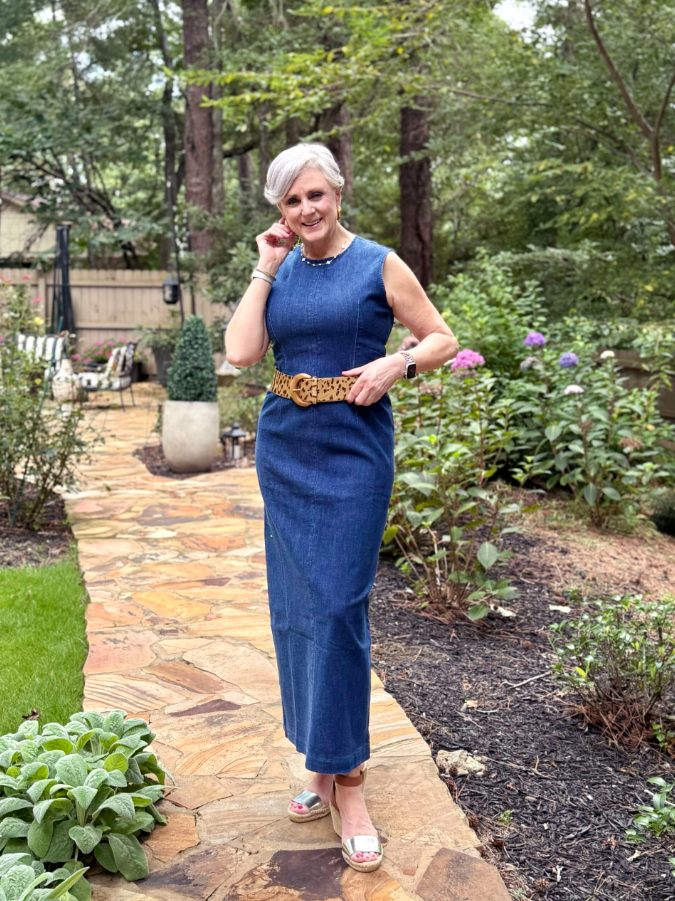
Cinch a belt at the natural waist over a shift dress, sweater dress, or midi dress to add shape and visual interest. This works especially well with dresses that are straight or boxy, transforming them from shapeless to structured.
What belt to use:
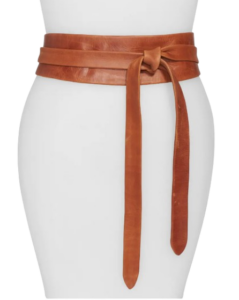
Depends on the dress formality. Casual dresses (sweater dresses, shirt dresses) work with leather or woven belts. Dressier dresses benefit from slim leather belts or chain belts. Width should be proportional—delicate dresses get slim belts, heavier fabrics can handle medium-width belts.
Beth’s Pick
How to wear it:
Position the belt at your natural waist (not your hips, not right under your bust—the actual narrowest point). If the dress has a waist seam, belt there. If it’s a shift or sweater dress, create the waist yourself with the belt. The belt should sit comfortably without pulling fabric or creating bunching. Pair with ankle boots, loafers, or heels depending on the dress formality.
Why this works:
Many comfortable dresses (sweater dresses, t-shirt dresses, shift dresses) lack shape, which can read as frumpy. A belt creates instant definition, adds a focal point, and transforms a casual dress into something that looks intentional and pulled together. This is especially effective for pear shapes—the defined waist balances wider hips.
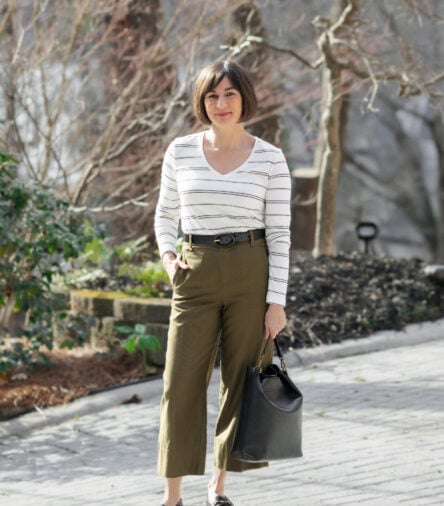
4. With Jeans and a Tucked Shirt for Effortless Polish
The technique:
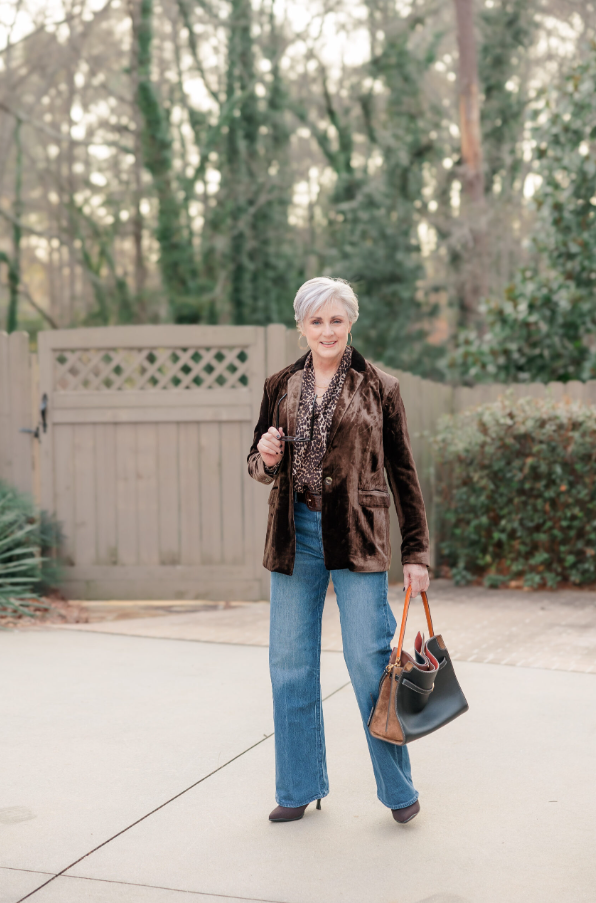
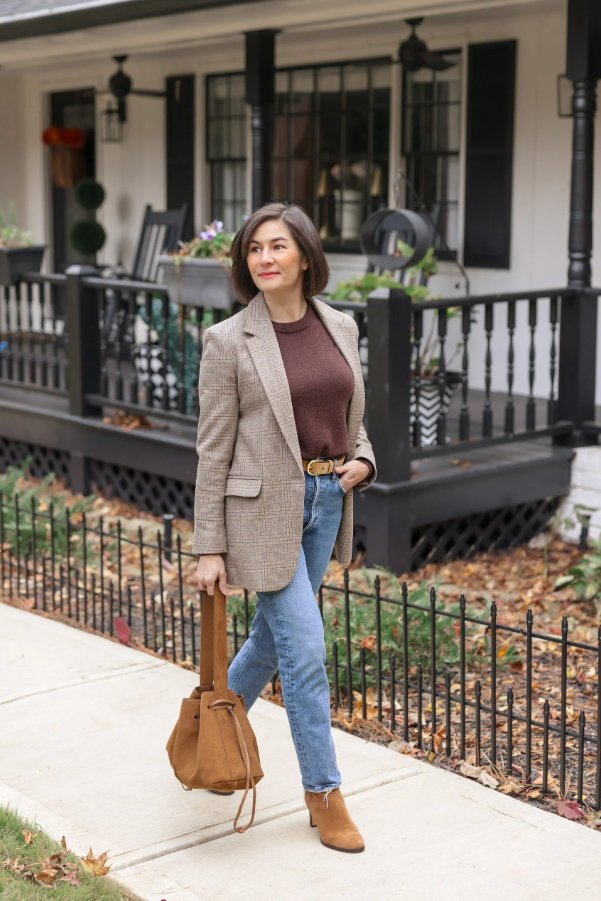
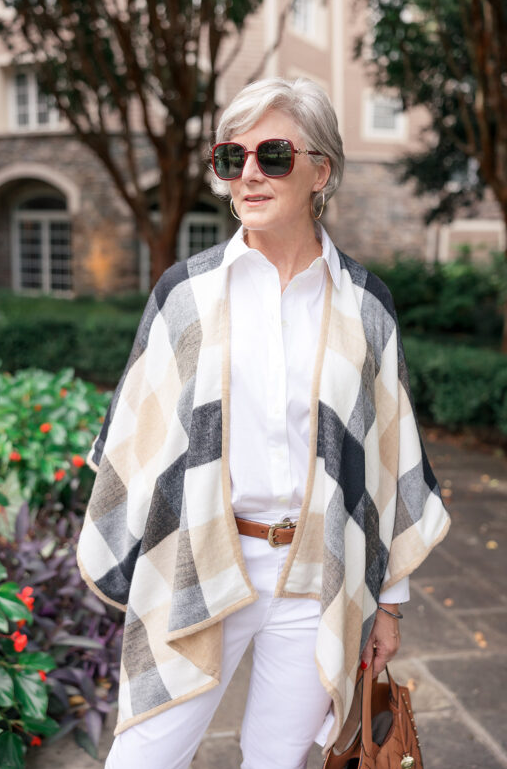
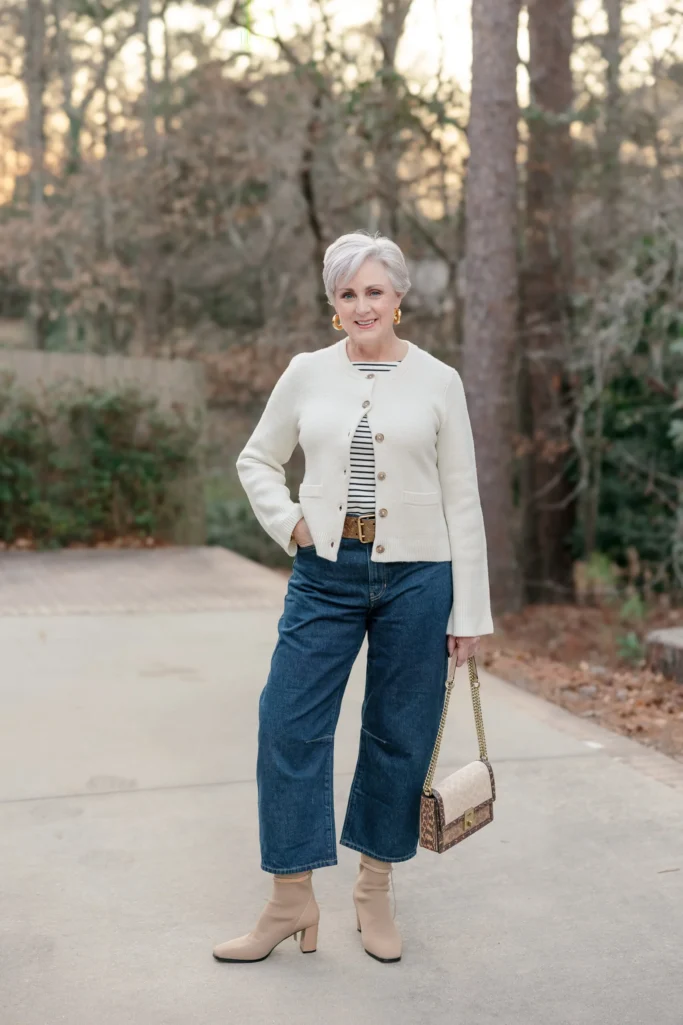
Thread a slim leather belt through your jeans and pair with a tucked-in button-down, t-shirt, or blouse for an elevated everyday look. This is the simplest belting technique but makes casual outfits look intentional and polished instead of thrown together.
What belt to use:
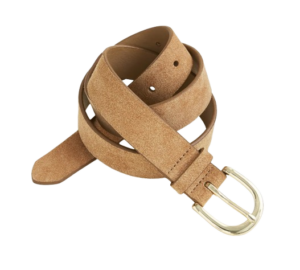
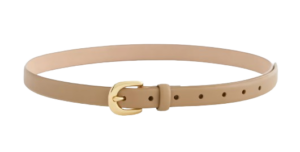
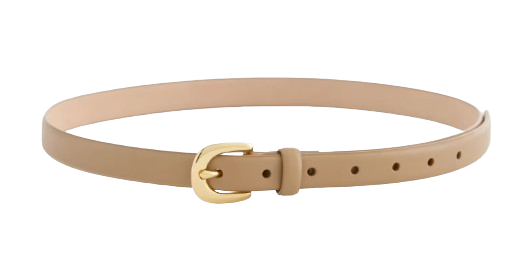
Slim to medium leather belt (1-1.5 inches) in a classic color that coordinates with your shoes. A thin cognac or tan belt feels casual and relaxed, black or brown feels more polished, and the slim width keeps the look streamlined rather than bulky.
Beth’s Pick
How to wear it:
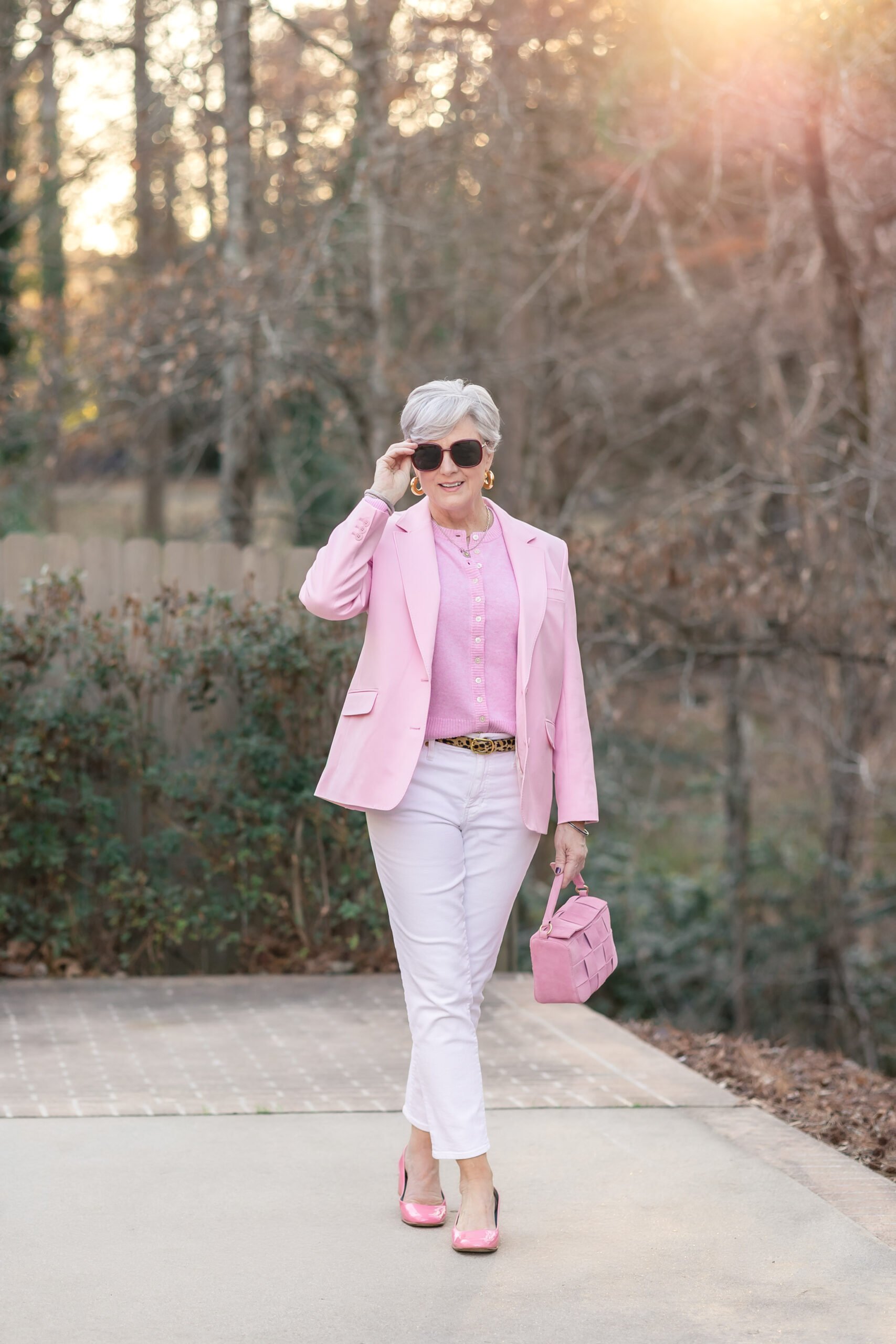
Tuck your shirt fully into mid-rise or high-rise jeans (straight-leg or slim work best), thread the belt through all loops, and buckle slightly off-center or at center front. The belt should define your waist without pulling or creating bulk. Pair with loafers, ankle boots, or sneakers depending on the occasion. The key is the clean tuck and slim belt that add polish without trying too hard.
Why this works:
Jeans and a tucked shirt is a wardrobe staple, but without a belt it can look unfinished or like you forgot a step. The thin belt completes the look, adds a subtle focal point, and elevates the outfit from basic to pulled together. This is the everyday formula that makes you look like you have your life together even when you don’t.
Choosing the Right Belt
Width matters:
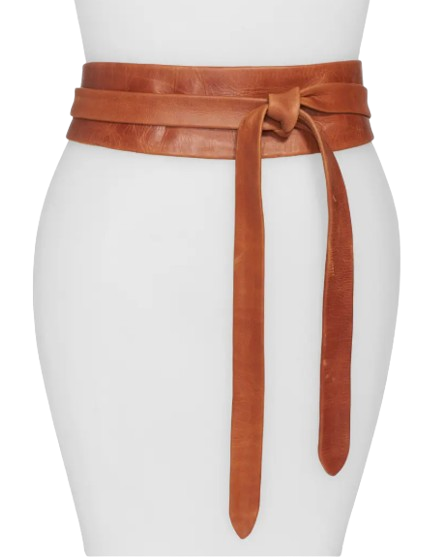
Slim belts (1 inch or less) are delicate and dressy, medium belts (1.5-2 inches) are classic and versatile, wide belts (2.5+ inches) make statements and work best over loose garments.
Color strategy:
Match your belt to your shoes for a cohesive look, or use a contrasting belt to add a pop of color and create a focal point. Neutral belts (black, brown, tan, cognac) work with everything; colored belts add personality but are less versatile.
Material choices:
Leather is classic and works for most situations, suede feels softer and more casual, woven or braided adds texture and interest, chain belts feel dressier and more evening-appropriate.
Buckle considerations:
Simple buckles are most versatile, statement buckles work when the belt is the focal point, and the buckle size should be proportional to the belt width.
The Belt Wardrobe Essentials
If you only own three belts:
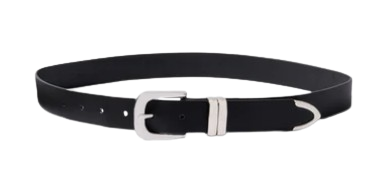
- Black leather medium-width belt – Works with black pants, dresses, jeans. Classic and versatile.
- Brown/cognac leather medium-width belt – Pairs with browns, tans, denim. Warm and wearable.
- Slim neutral belt (tan or gray) – Delicate enough for dresses, neutral enough for everything.
If you want to expand:
Add a wide statement belt for tunics, a chain belt for dressier occasions, or a colored belt (burgundy, navy) for interest.
Mini FAQ
Bend to the side and see where your torso creases—that’s your natural waist. It’s typically the narrowest part of your torso, about 1-2 inches above your belly button.
Yes, but choose placement carefully. Belt at your natural waist (the narrowest point, even if it’s not dramatically narrow) rather than trying to create a waist where none exists. A defined waist often looks better than trying to hide your midsection entirely.
The belt shouldn’t be tight—it should sit comfortably and define without squeezing. If it feels constricting, it’s too tight or too wide for the garment. Try a slimmer belt or loosening it slightly.
Matching belts to shoes creates cohesive, polished looks (traditional rule). Matching a belt to an outfit makes the belt less noticeable. A contrasting belt creates a focal point. All three are valid—choose based on the effect you want.
Absolutely. Stick with slim to medium belts (wide belts can overwhelm petite frames), and belt at your natural waist to maintain proper proportions.
✨ Beth’s Take: How Belts Changed My Outfits
I used to think belts were only for keeping pants up or for very styled, fashion-forward outfits that required effort I didn’t want to give. Then I wore a cognac belt over an oversized chambray shirt with jeans and realized how much more intentional and polished the outfit looked. The belt broke up the denim-on-denim, created a waist where the loose shirt was hiding it, and added a focal point that made the whole outfit feel considered instead of casual.
Now I belt regularly—over slightly oversized blouses to create shape, through wide-leg pants for polish, over sweater dresses to add structure, and with jeans and tucked shirts for everyday elevation. The difference is immediate and dramatic. A $30 leather belt transforms outfits I already owned into something that looks pulled together and intentional.
The key was learning where to place the belt and understanding that it’s not about constriction or making myself look smaller—it’s about creating proportion, breaking up monochromatic looks, and adding polish. Not every outfit needs a belt, but the right belt in the right place transforms shapeless into shaped, casual into polished, and basic into elevated.
More Style Tips
For more styling guidance including outfit formulas that work with belts, check out How to Wear a Cardigan Without Looking Frumpy After 50—belting techniques work beautifully with cardigans. And for wide-leg pants that benefit from belting, read Wide-Leg Pants Over 50: What Works, What Doesn’t, and How to Get It Right for proportion and styling guidance.
Closing Thoughts
Harness the Power of a Good Belt
A good belt defines your waist, breaks up proportions, adds polish, and transforms outfits you already own—belt over oversized blouses in monochromatic outfits to create shape, through wide-leg pants for polish, over dresses to add structure, and with jeans and tucked shirts for everyday elevation. Choose the right width, place it at the right spot, and use it to enhance outfits that benefit from definition. Start with classic neutral leather belts, experiment with placement, and watch how this simple accessory elevates your entire wardrobe.




LEAVE A COMMENT