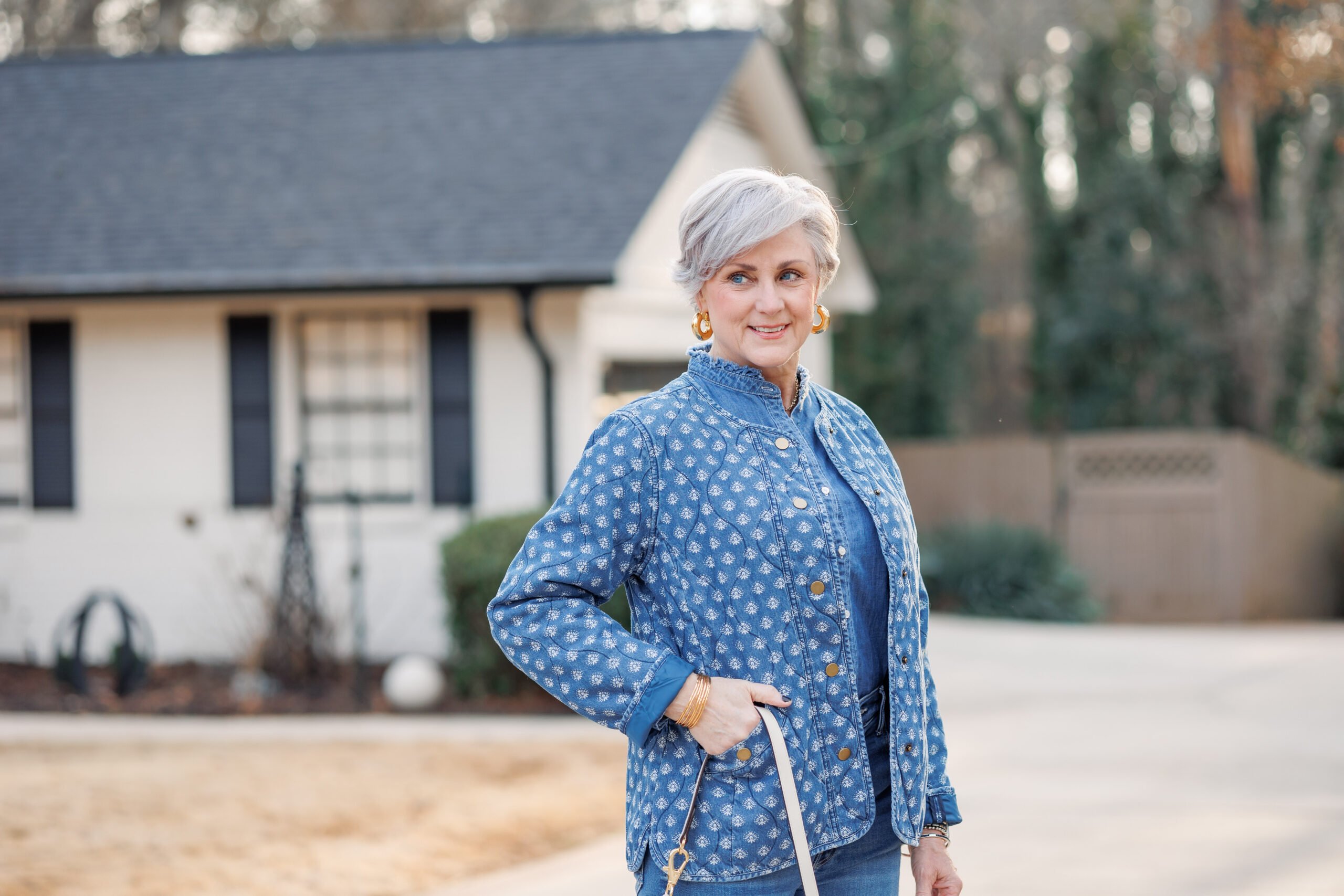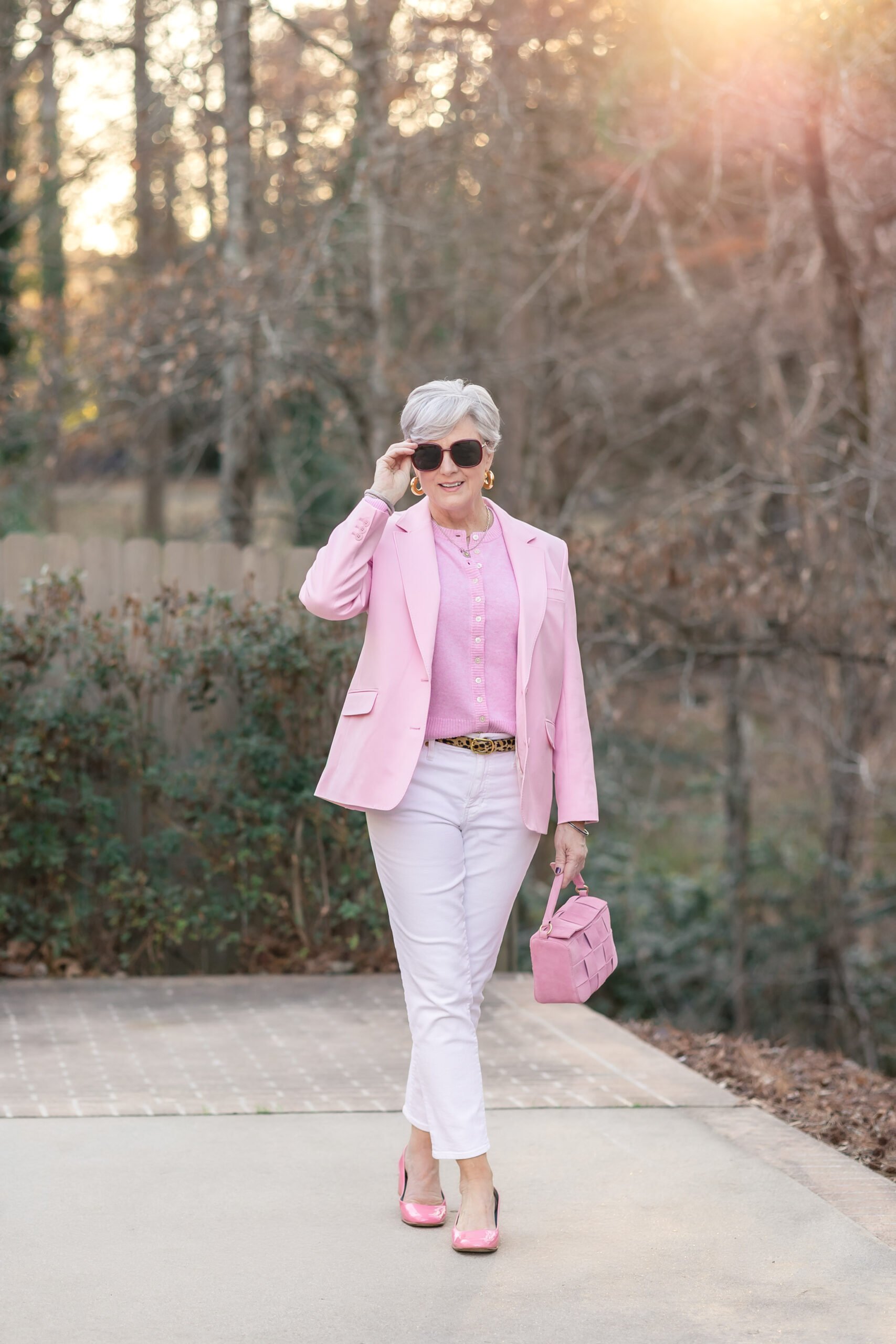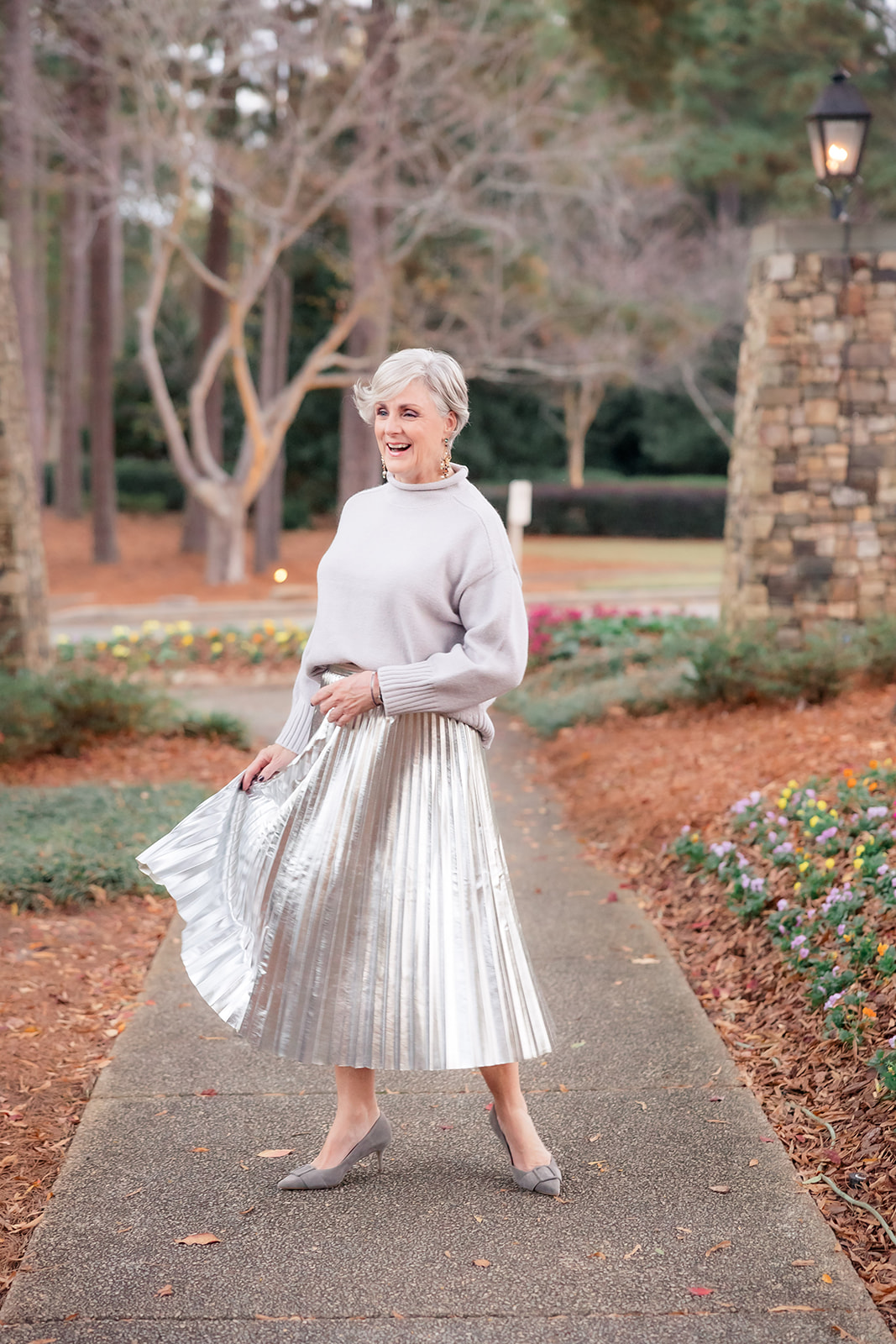
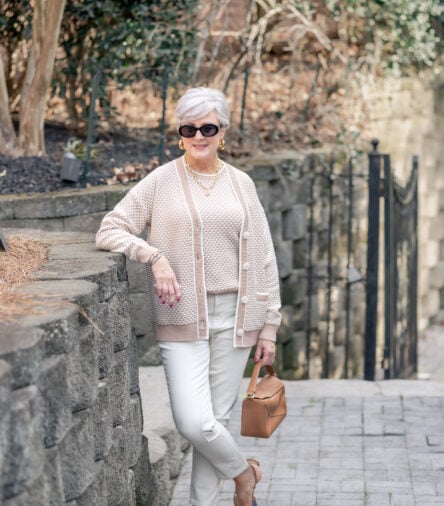
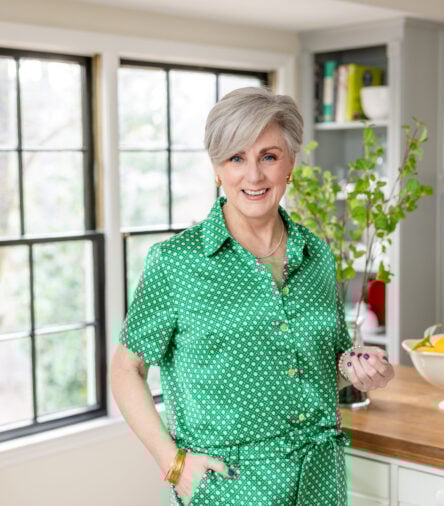





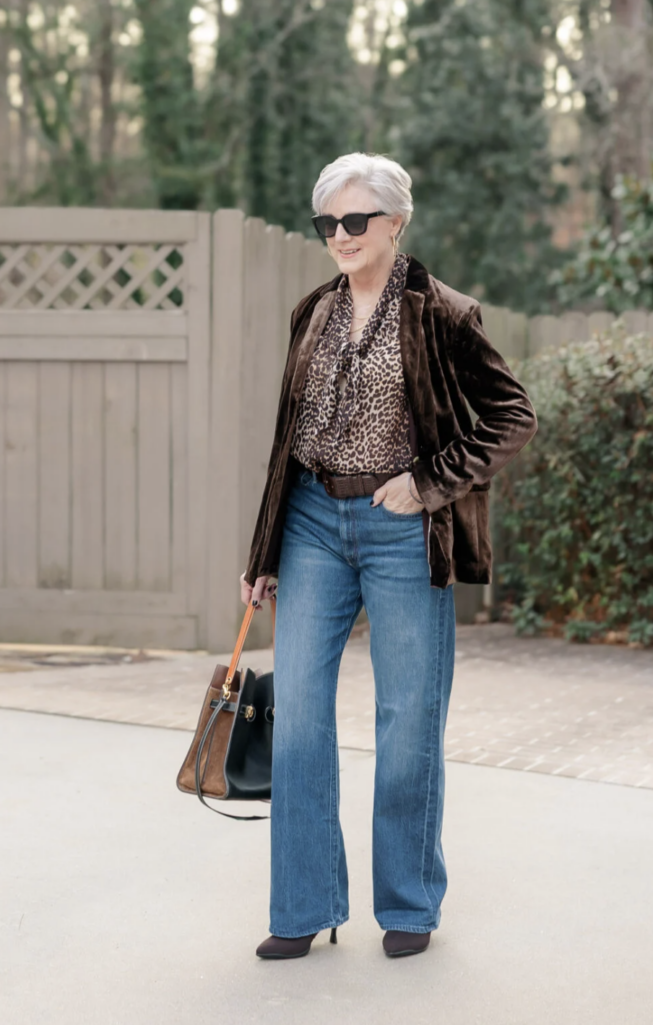
Most styling mistakes aren’t about the clothes themselves—they’re about proportion, fit, and finishing details. The right belt, proper hem length, or appropriate shoe choice transforms an outfit from “fine” to “finished.” Small, strategic tweaks create disproportionate impact.
5 Common Styling Mistakes (And The Products That Fix Them)
1. Wearing the Wrong Belt (or No Belt at All)
The Mistake:
Wearing a belt that’s too wide for your frame, too casual for the outfit, or skipping the belt entirely when your proportions need definition. The wrong belt disrupts your silhouette instead of enhancing it. No belt at all when you need waist definition makes you look boxy and shapeless.
Why it’s a problem:
Belts define your waist and create proportion—they literally show where your torso ends and your legs begin. A too-wide belt overwhelms petite frames. A casual canvas belt cheapens a polished outfit. No belt when wearing oversized tops or dresses eliminates your waistline entirely.
The easy fix:
Get the right belt for your body and outfit.
For Everyday Polish
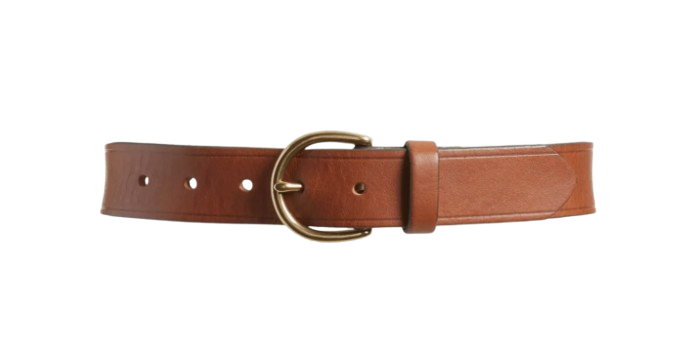
The Madewell Medium Perfect Leather Belt
A 1-1.5 inch leather belt in cognac, black, or navy is the workhorse belt you’ll wear constantly. This width flatters most body types without overwhelming your frame. Quality leather in a classic color works with jeans, trousers, and dresses. Look for a simple buckle—nothing too large or ornate.
When to wear it: Over cardigans, with tucked sweaters, to define waist on shirt dresses, with mid-to-high rise jeans
For Elevated Looks
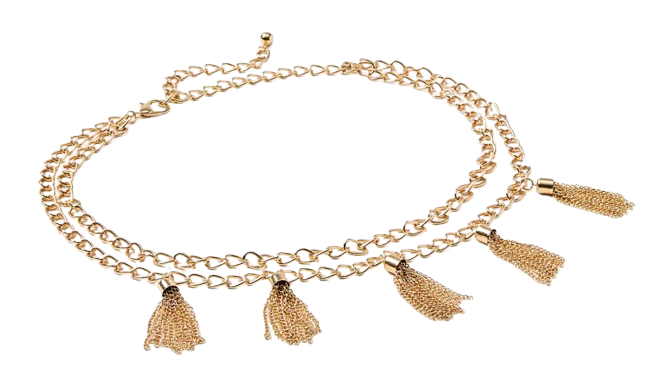
LOFT Tassel Chain Belt
A gold or silver chain belt instantly elevates casual outfits. The metal catches light and adds a polished finishing touch that leather can’t achieve. Look for substantial links that won’t tangle or twist.
When to wear it: Over cashmere sweaters, with monochromatic outfits, to add interest to simple dresses
✨ Beth’s Styling Tip: Your belt should be proportional to your frame and appropriate to your outfit’s formality. Casual belt with casual clothes, polished belt with polished clothes. And if your outfit doesn’t need a belt for proportion, don’t force one—sometimes a clean, unbroken line is better.
2. Ignoring Hem Length (Especially on Pants)
The Mistake:
Wearing pants that are too long (bunching at ankles), too short (awkward flood length), or hit at the wrong spot on your shoe. Incorrect hem length makes even expensive pants look sloppy and throws off your entire proportion.
Why it’s a problem:
Hem length affects how long your legs look, where the eye stops, and whether your outfit feels balanced. Pants bunching on your shoes look unfinished. Pants hitting at an awkward mid-ankle length cut your leg line. The wrong length makes you look shorter and less polished.
The easy fix:
Get pants hemmed properly, or choose styles designed for your height.
Correct lengths by style:
- Straight leg: Should graze top of shoe or break slightly
- Wide leg: Should nearly touch floor with shoes on
- Cropped/ankle: Should hit right at ankle bone, no lower
An Instant Fix
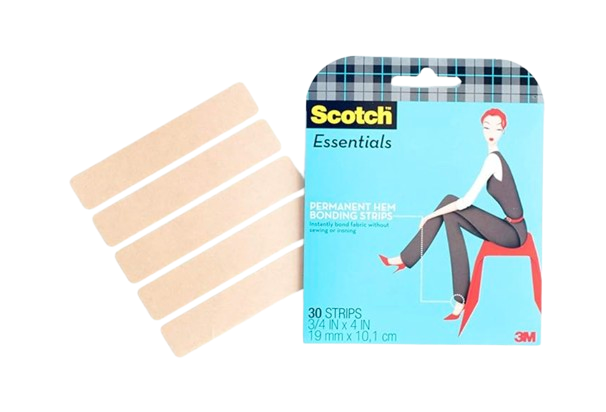
Scotch Essentials Hem Bonding Strips
No-sew hem tape lets you quickly adjust too-long pants for specific shoes without permanent alterations. Keep a roll or bonding strips in your closet for quick fixes.
✨ Beth’s Styling Tip: The hem should work with the shoes you’re wearing. Straight-leg jeans might need different hems for flats vs heels. When in doubt, hem for your most-worn shoe height. And never let pants bunch at your ankles—it’s the fastest way to look sloppy.
3. Choosing Shoes That Break Your Leg Line
The Mistake:
Wearing shoes that visually cut off your legs—ankle straps with cropped pants, chunky boots with midi skirts, or heavy shoes that overwhelm your frame. The wrong shoe shortens your leg line and disrupts proportion.
Why it’s a problem:
Your shoes are the foundation of your outfit—literally where the eye stops. Shoes that create horizontal lines across your leg (ankle straps, contrasting colors, chunky silhouettes) make you look shorter. Shoes that extend your leg line (nude tones, pointed toes, sleek silhouettes) make you look taller and more elongated.
The easy fix:
Choose shoes that work with, not against, your proportions.
What to Avoid:
- Ankle straps with cropped pants (double horizontal line = very shortening)
- Heavy, chunky boots with delicate skirts (proportion mismatch)
- Contrasting shoe color that creates a visual stop (nude shoes instead extend the line)
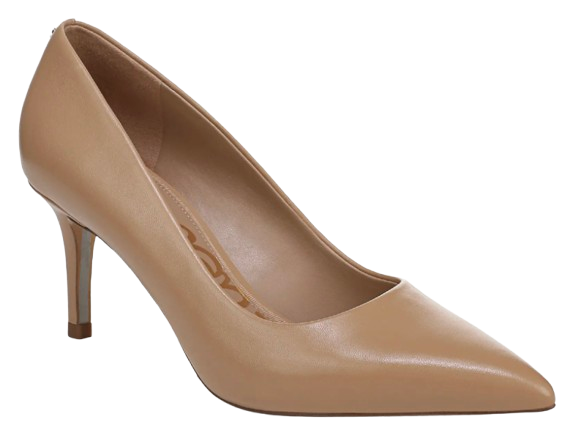
The Leg-Lengthening Classic
Sam Edelman Vienna Pointed Toe Pump
A pump in a shade close to your skin tone creates an unbroken line from hip to toe, making legs look miles longer. Pointed toes extend the line further than round toes.
When to wear: With skirts, dresses, cropped pants—anytime you want maximum leg length
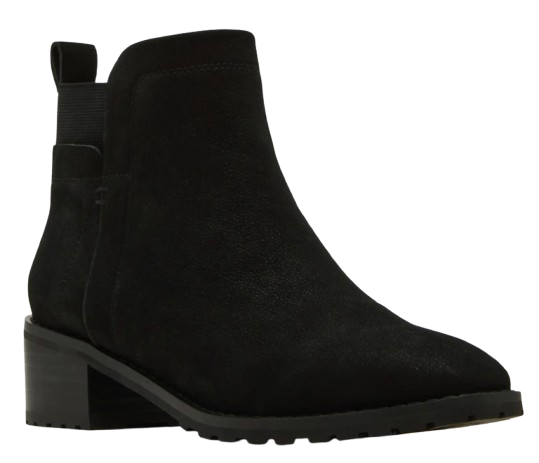
The Versatile Ankle Boot
Blondo Shyne Waterproof Bootie
Ankle boots work beautifully with pants when they’re sleek (not chunky) and match your pants’ color. Black slim boots with black pants creates one long line. Avoid contrasting colors that create a visual stop.
When to wear: With straight-leg or skinny jeans in matching color, with midi skirts and tights
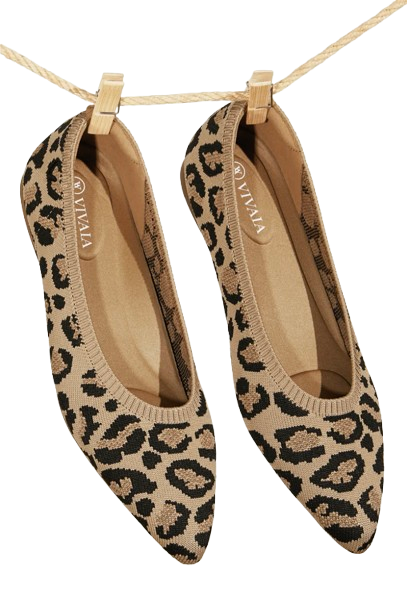
The Flat That Doesn’t Shorten
Vivaia Pointed-Toe Ballet Flats
Round-toe ballet flats can make feet look stubby and cut legs short. Pointed or almond-toe flats create a more elongated line while providing flat-shoe comfort.
When to wear: With cropped pants, cuffed jeans, midi skirts—anytime you need flats but don’t want to sacrifice proportion
✨ Beth’s Styling Tip: When in doubt, match your shoe to your bottom (black pants = black shoes) or choose nude/neutral tones that blend with your skin. Both create unbroken lines that elongate. Save contrasting or statement shoes for when you’re wearing long pants that cover most of the shoe anyway.
4. Skipping the Finishing Layer
The Mistake:
Wearing just a sweater or blouse without a finishing layer—blazer, cardigan, or jacket—that completes the outfit. The look feels unfinished, too casual, or like you forgot something.
Why it’s a problem:
A finishing layer adds structure, polish, and visual interest. It creates an outfit rather than just clothes. Going without one makes casual looks feel sloppy and polished looks feel incomplete. The right layer pulls everything together and makes you look intentional.
The easy fix:
Add one polished layer that elevates the entire outfit.
For Instant Polish
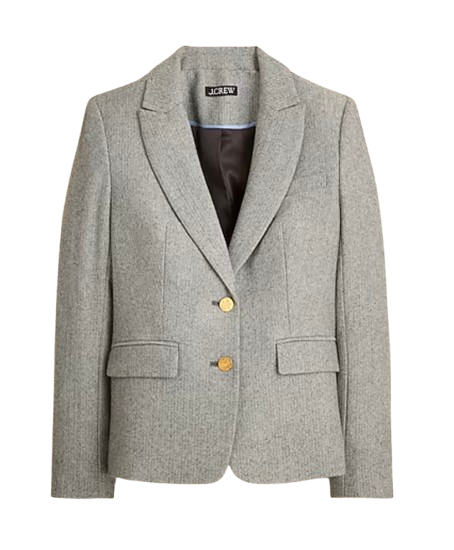
J.Crew École Blazer in Herringbone Wool Blend
A well-fitted blazer transforms jeans-and-tee into “I have my life together.” Choose a structured but comfortable fabric (not stiff suiting), ensure shoulders fit properly, and select a length that flatters your proportions.
When to wear: Over everything—tees, sweaters, dresses. Instantly elevates any outfit.
For Casual Sophistication
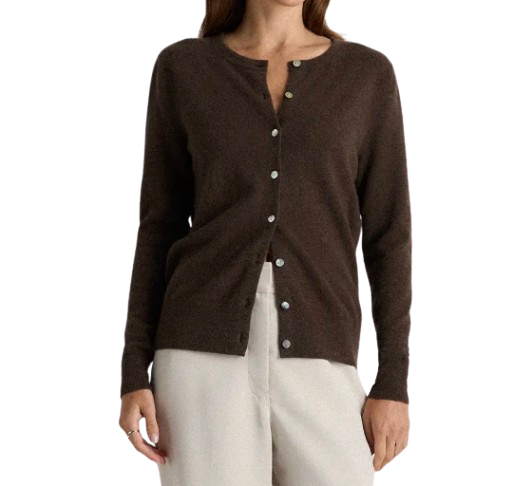
Quince Mongolian Cashmere Cardigan
A longer cardigan (hip-length or below) adds polish without blazer formality. Look for structured knits that hold their shape, not thin drapey styles that add bulk.
When to wear: Weekend errands, work-from-home days, casual dinners—adds finish without formality
The Effortless Topper
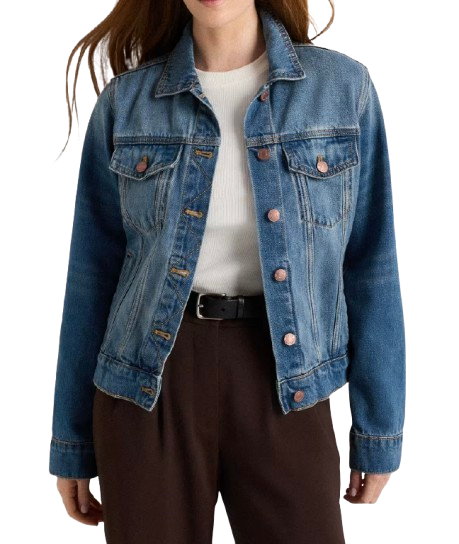
Quince Organic Cotton Denim Jacket
A structured jacket in denim or utility style elevates casual outfits. Look for quality construction—not flimsy or distressed. This should feel polished, not college-casual.
When to wear: With dresses, over tees, weekend outfits—adds structure to casual looks
The Weather-Appropriate Finish
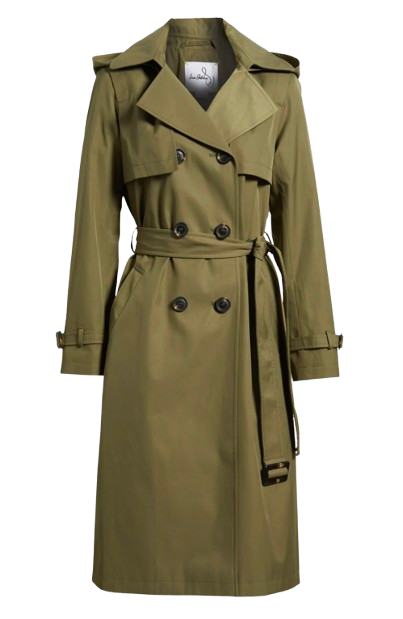
Sam Edelman Double Breasted Belted Trench Coat
When weather requires outerwear, your coat IS your finishing layer. A classic trench or wool topcoat in neutral color becomes the most-seen part of your outfit.
When to wear: Commuting, any outing where you’ll be seen in your coat
✨ Beth’s Styling Tip: Your finishing layer shouldn’t be an afterthought—it should be the piece that pulls everything together. Even if you’re just running errands, throwing a structured jacket over jeans and a tee makes you look like you tried. Which, let’s be honest, you didn’t really—but nobody needs to know that.
5. Ignoring Neckline and Face-Framing Details
The Mistake:
Wearing necklines that don’t flatter your face shape or neglecting the accessories that draw attention upward toward your face. Everything ends at your shoulders with no visual interest near your face, or the neckline creates unflattering shadows.
Why it’s a problem:
The area from your shoulders to your face is the most important style real estate you have—it’s where people look when talking to you. A poor neckline choice (too high, too low, wrong shape for your face) ages you or creates unflattering shadows. Missing face-framing details (necklace, scarf, earrings) means nothing draws the eye to your best features.
The easy fix:
Choose flattering necklines and add face-framing details.
The Universal Flatterer
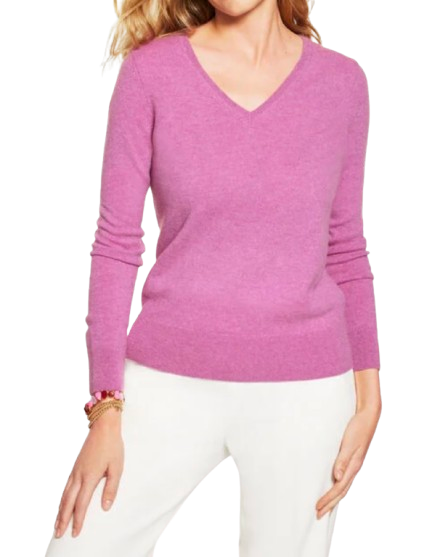
Talbots Cashmere V-Neck Sweater
V-necks elongate the neck, create vertical lines that flatter, and provide the perfect frame for necklaces. Avoid too-deep Vs that feel revealing—a modest V that hits mid-chest is ideal.
When to wear: Anytime you want to elongate your neckline and create space for necklaces
The Face-Framing Scarf
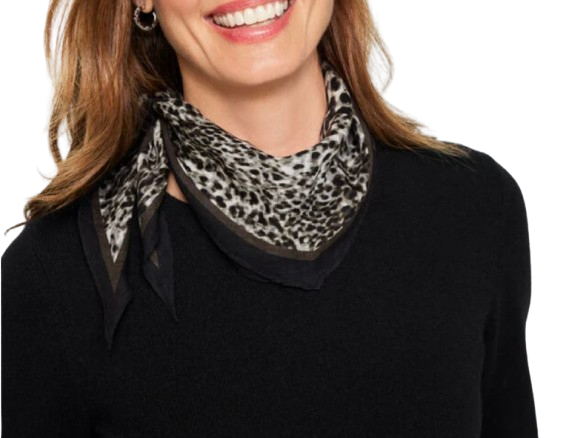
Talbots Swirly Animal Diamond Scarf
A scarf tied loosely around your neck adds color, softness, and visual interest right where it matters most. Silk provides sheen and drape; cashmere provides cozy texture.
When to wear: With v-necks, crew necks, or collarless jackets—adds interest to simple necklines
The Necklace That Draws the Eye Up
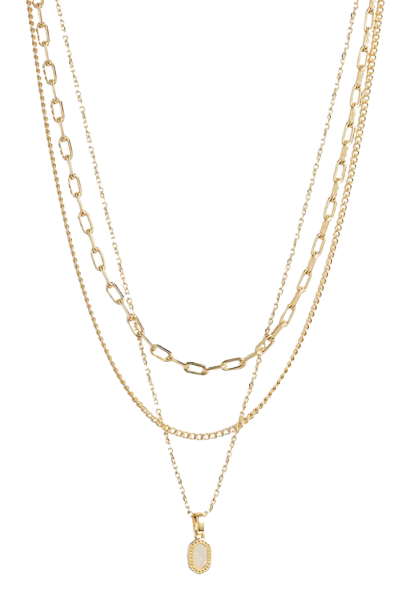
Kendra Scott Mini Elisa Gold Triple Strand Necklace
A necklace creates a focal point that draws attention to your face, not your midsection. Choose either a statement piece (bold design) or a meaningful pendant on a substantial chain—not delicate jewelry that disappears.
When to wear: With v-necks and crew necks—adds interest to solid-color tops
The Earrings That Frame Your Face
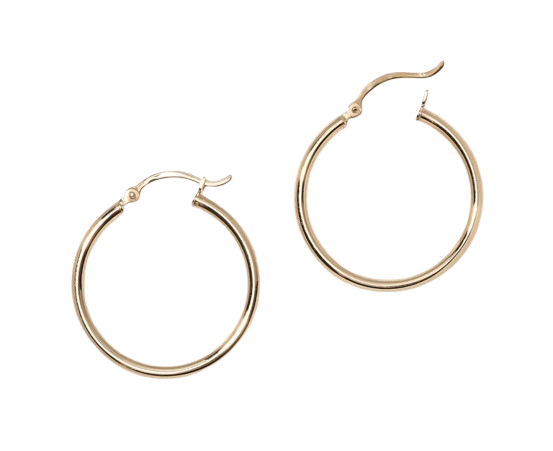
Quince Gold Tube Hoops
Earrings create visual interest beside your face and can balance face shape. Medium hoops (1.5-2 inches) or drop earrings catch light and draw attention upward.
When to wear: Always—earrings are the most consistent face-framing accessory
✨ Beth’s Styling Tip: Think of the zone from your shoulders to your face as prime real estate. A flattering neckline + one face-framing detail (scarf, necklace, or statement earrings) ensures people see your face first, not your outfit. And when in doubt, V-necks flatter almost everyone.
Why Small Tweaks Create Big Impact
The pattern: None of these “mistakes” are about buying a whole new wardrobe. They’re about choosing the right supporting pieces—belts, properly hemmed pants, flattering shoes, finishing layers, face-framing accessories—that make your existing clothes work better.
The principle: Styling is 20% clothes, 80% details. The right belt transforms a shapeless outfit into a defined silhouette. Proper hem length makes expensive pants look expensive. Shoes that extend your leg line change your entire proportion. A blazer makes casual look polished. Face-framing accessories direct attention where you want it.
The result: Small, strategic product additions that solve specific styling problems and make getting dressed easier.
Mini FAQ
No. Identify which mistake you make most often and fix that first. Most people have 1-2 chronic styling issues (mine was ignoring hem length for years). Fix your biggest problem, then move to the next.
Not necessarily. Hem tape costs $10. A good belt costs $40-60. Properly hemmed pants cost $15 at a tailor. Face-framing earrings can be found at every price point. These are investments in making your existing wardrobe work better, not building a new one.
General guideline: V-necks flatter most people by elongating the neck. Crew necks work best with longer necks or when paired with necklaces. Turtlenecks suit long necks. If uncertain, default to V-neck—it’s the most universally flattering.
Put on the pants with the shoes you’ll wear most often. Look in a full-length mirror. If fabric bunches at your ankles, they’re too long. If they hit mid-ankle awkwardly (not intentionally cropped), they’re too short. Proper length grazes the top of your shoe with slight break (straight leg) or nearly touches floor (wide leg).
You can, but you’ll look more put-together if you don’t. A denim jacket over a tee takes 10 seconds and makes you look intentional instead of like you just rolled out of bed. Even casual outings benefit from one polished layer.
✨ Beth’s Take: The Five Fixes That Changed Everything
I spent years wondering why outfits I saw on others looked polished but the same pieces on me looked “fine but not great.” Then I realized I was making these exact mistakes—no belt creating waist definition, pants bunching at my ankles, wrong shoes shortening my legs, missing the finishing layer that pulled it together.
The revelation was that these weren’t wardrobe problems—they were styling problems. I didn’t need new clothes; I needed the right supporting pieces and small adjustments.
Getting my pants properly hemmed transformed them from “nice pants I never wear” to “favorite pants I reach for constantly.” Investing in three quality belts (cognac leather, black leather, gold chain) gave me waist definition in every outfit. Choosing shoes that extended rather than cut my leg line made me look taller and more proportioned. Adding finishing layers—blazers, cardigans, structured jackets—made casual look polished and polished look complete.
The biggest shift? Realizing that face-framing details matter more than the clothes themselves. A simple v-neck sweater with the right necklace and earrings looks more pulled-together than an expensive crew neck with no accessories. Drawing attention upward toward your face—with neckline choice, scarves, jewelry—is the fastest way to look polished and intentional.
These aren’t revolutionary changes. They’re small, strategic tweaks that make everything in your closet work better. Fix these five common mistakes, and suddenly getting dressed becomes easier and the results look significantly more polished.
Related Posts
For more styling guidance, check out 7 Winter Style Mistakes That Make You Look Older for seasonal-specific advice. And to see how one great color pairing can simplify your wardrobe decisions, browse Navy and Burgundy: The Color Combo That Makes Every Outfit Look Expensive!
Closing Thoughts
It’s All in the Details
Most styling problems aren’t about the clothes—they’re about the details. The right belt, proper hem length, flattering shoes, a finishing layer, and face-framing accessories transform outfits from “fine” to “finished.” Identify which mistake you make most often, invest in the product solution that fixes it, and watch how that one small change improves everything you wear.