










Winter beauty requires richer textures (cream over powder), deeper shades (berry lips vs. nude), and barrier-focused skincare (oils, occlusives, ceramides). The seasonal switch isn’t about buying entirely new products—it’s strategic substitutions that address dryness, dullness, and harsh weather effects.
What You’ll Find in This Post
What Actually Changes in Winter (And Why)
Winter isn’t just colder—it’s drier (low humidity outdoors and heated air indoors), darker (less natural light affects how makeup looks), and harsher on skin (wind, temperature fluctuations damage the barrier). Your summer routine worked in summer conditions. Winter conditions require different formulas, textures, and approaches.
The core principle: Switch from lightweight/powder formulas to richer/cream formulas. Add protective barriers. Embrace deeper, warmer tones that don’t wash out in winter light.
The 8 Beauty Switches I Make Every Winter
1. Cleanser: From Foaming to Cream or Oil
What I switch FROM:
Lightweight gel or foaming cleansers that work beautifully in summer but strip winter skin, leaving it tight and uncomfortable.
What I switch TO:
Cream or oil cleansers that remove makeup and impurities while leaving skin’s protective oils intact.
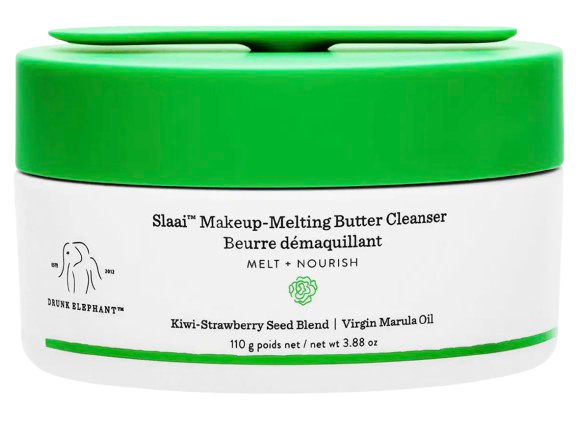
The Winter Cleanser
Drunk Elephant Slaai Makeup-Melting Butter Cleanser
This balm-to-oil cleanser melts makeup (including waterproof mascara) while nourishing skin with marula oil and vitamin E. It rinses clean without residue but doesn’t strip—skin feels soft and hydrated, never tight. The texture transforms from solid balm to silky oil as you massage, then emulsifies with water to rinse away completely.
Why it works for winter:
Oil-based cleansers protect your skin barrier instead of compromising it. Winter skin can’t afford the stripping action of foaming cleansers—you need cleansing that removes without depleting.
How to use:
Massage dry balm onto dry skin to dissolve makeup and sunscreen. Add water to emulsify (it turns milky), then rinse thoroughly. Follow with serums and moisturizer.
2. Moisturizer: From Gel to Rich Cream
What I switch FROM:
Lightweight gel or lotion moisturizers that absorb quickly but don’t provide enough protection against winter conditions.
What I switch TO:
Rich, emollient creams with occlusive ingredients that seal in hydration and protect against harsh weather.
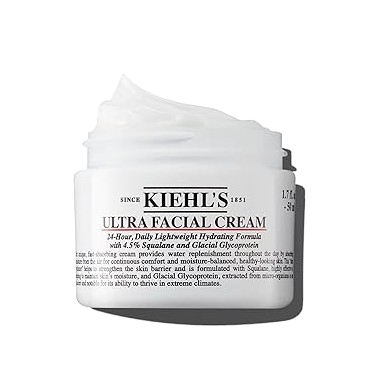
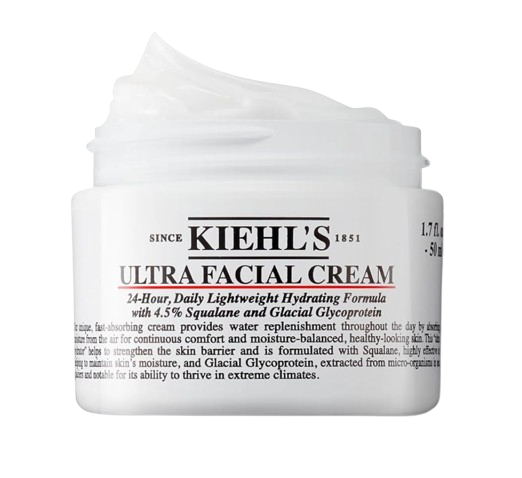
The Winter Moisturizer
This cult-favorite cream contains squalane (locks in moisture), glacial glycoprotein (protects against extreme temperatures), and a blend of emollients that create a protective barrier without heaviness. It’s rich enough for winter but absorbs fully—no greasy residue.
Why it works for winter:
Winter skin needs occlusives (ingredients that seal in hydration) and emollients (ingredients that soften and smooth). This cream provides both while feeling comfortable, not suffocating.
How to use:
Apply morning and night after serums. In extreme cold, layer a facial oil underneath for extra protection.
3. Lip Treatment: From Gloss to Intensive Balm
What I switch FROM:
Lightweight glosses or basic balms that require constant reapplication and don’t repair damage.
What I switch TO:
Intensive overnight lip treatments that actually heal chapped, cracked lips.
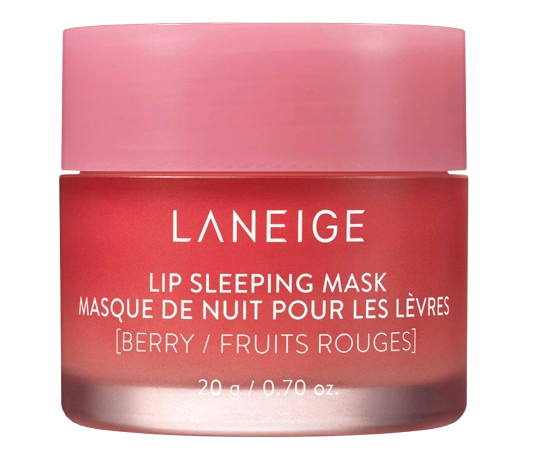
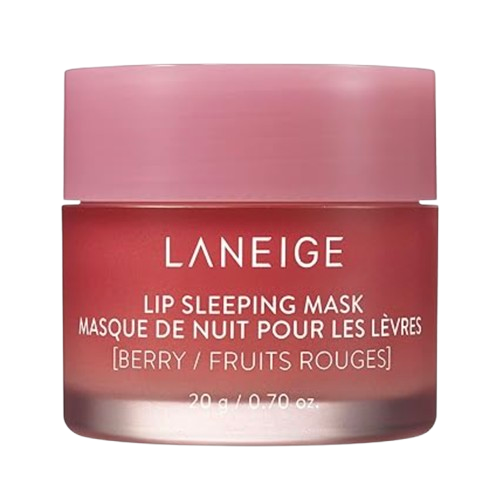
The Winter Lip Treatment
This thick, berry-scented balm goes on at night and works while you sleep to repair and deeply hydrate lips. The formula contains hyaluronic acid, vitamin C, and antioxidants in a cushiony texture that stays on all night. Wake up to soft, plump lips instead of the cracked mess winter usually creates.
Why it works for winter:
Lips have no oil glands—they can’t moisturize themselves and are especially vulnerable in winter. An intensive overnight treatment repairs damage while you sleep so daytime lip products actually have a chance.
How to use:
Apply a generous layer before bed. Use nightly during winter. In extreme conditions, apply during the day under lipstick.
4. Foundation: From Matte to Satin or Luminous
What I switch FROM:
Matte or powder foundations that emphasize dry patches and make winter skin look flat and lifeless.
What I switch TO:
Luminous or satin-finish foundations that add radiance and don’t cling to dry areas.
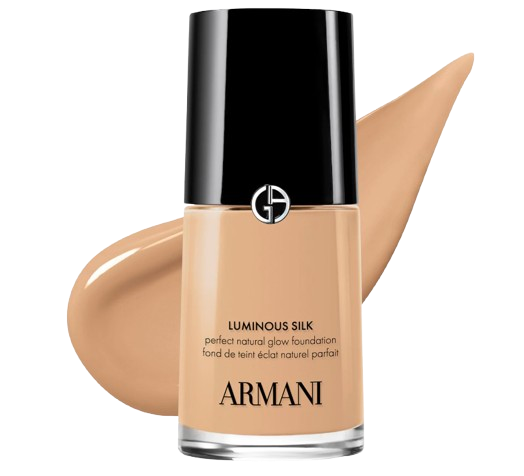
The Winter Foundation
Armani Luminous Silk Foundation
This iconic foundation provides buildable coverage with a natural, skin-like finish that actually looks better on winter skin than summer skin. The luminous finish counteracts winter dullness, and the hydrating formula doesn’t emphasize dry patches or settle into fine lines.
Why it works for winter:
Matte foundations require smooth, well-hydrated skin to look good—exactly what winter destroys. Luminous foundations forgive texture and add the glow that winter takes away.
How to use:
Apply with a damp beauty sponge for sheer coverage or brush for more coverage. Mix with facial oil if you need extra dewiness.
5. Blush: From Powder to Cream
What I switch FROM:
Powder blush that sits on top of skin, emphasizes texture, and fades quickly on winter’s dry surface.
What I switch TO:
Cream blush that melts into skin, provides lasting color, and adds a healthy, natural-looking flush.
The Winter Blush
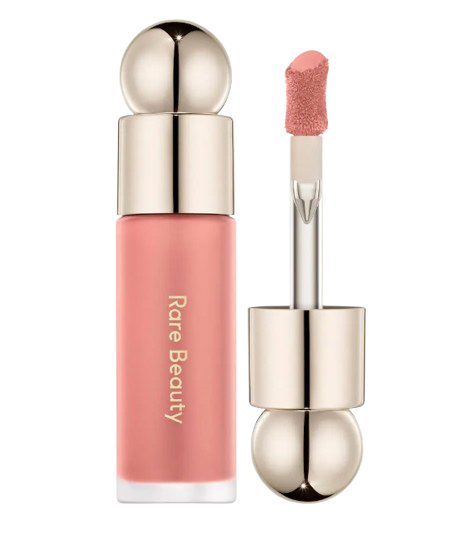
Rare Beauty Soft Pinch Liquid Blush
This highly pigmented liquid blush blends seamlessly into skin (a tiny dot is enough) and creates a natural, healthy flush that lasts all day. The formula works beautifully on winter skin—no powder to cling to dry patches, just a soft wash of color that looks like it’s coming from within.
Why it works for winter:
Cream and liquid formulas meld with skin instead of sitting on top. They look more natural on winter’s drier texture and last longer because they’re not competing with powder.
How to use:
Dot a tiny amount on apples of cheeks, blend with fingers or sponge. Build gradually—this formula is intensely pigmented.
Shades for winter:
Deeper, warmer tones (berry, mauve, deep pink) look better in winter light than the peachy tones that work in summer
6. Lip Color: From Nude to Berry and Wine
What I switch FROM:
Pale nudes and peachy tones that wash out in winter’s gray light and look corpse-like against paler winter skin.
What I switch TO:
Deeper berry, wine, and mauve shades that warm up winter complexions and show up beautifully in low light.
The Winter Lip Color
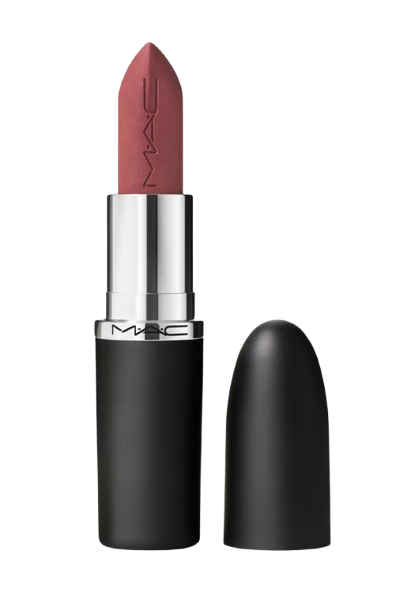
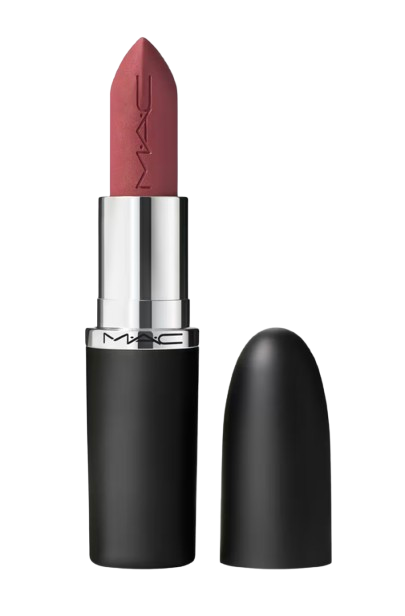
MAC Lipstick in Twig Twist or Mehr
These universally flattering shades (Twig Twist is a mauve-pink, Mehr is deeper rose-brown) provide enough depth to show up in winter but aren’t so dark they feel costume-y. The satin formula is comfortable and hydrating—not the dry matte that emphasizes chapped lips.
Why it works for winter:
Deeper lip colors counteract winter pallor and look elegant rather than washed-out in gray light. Winter is the season for richer shades that would feel too heavy in summer.
How to use:
Apply directly from the bullet or use lip brush for precision. Prep lips with treatment balm first for smooth application.
Color strategy:
Choose berry, wine, mauve, or deep rose tones that complement your undertones—cool undertones look beautiful in berry, warm undertones glow in wine and brick shades
7. Hand Cream: From Lotion to Rich Repair Cream
What I switch FROM:
Standard hand lotion that absorbs quickly but doesn’t protect against winter’s assault (washing hands constantly, cold air, low humidity).
What I switch TO:
Intensive hand cream with occlusive ingredients that actually prevents and repairs damage.
The Winter Hand Cream
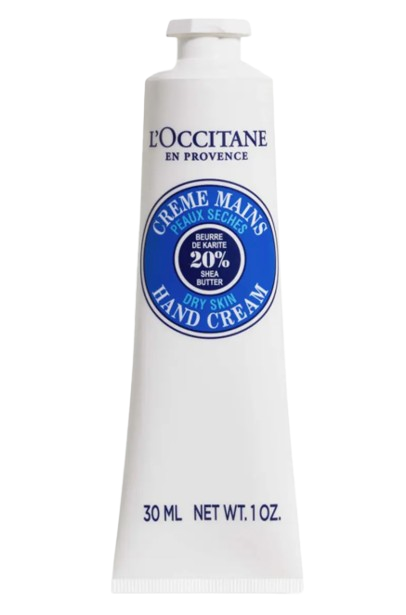
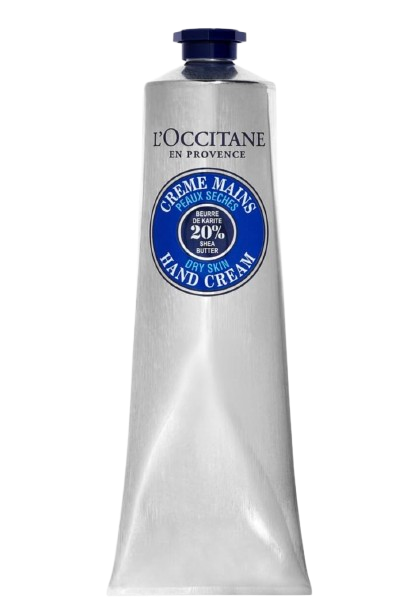
L’Occitane Shea Butter Hand Cream
This cult-classic hand cream contains 20% shea butter in a rich, non-greasy formula that protects and repairs severely dry hands. It absorbs fully but leaves a protective layer that lasts through hand washing. The compact tube fits in every bag, and a little goes surprisingly far.
Why it works for winter:
Hands show age fast and winter accelerates the damage—dryness, crepiness, roughness. An intensive cream with high shea butter content prevents this damage instead of just temporarily soothing it.
How to use:
Apply after every hand washing and before bed. Keep tubes everywhere—bathroom, kitchen, car, purse, bedside.
Nighttime treatment:
Apply thick layer before bed, wear cotton gloves overnight for intensive repair
8. Facial Oil: Adding What Summer Didn’t Need
What I switch FROM:
Nothing—I don’t use facial oil in summer because my skin produces enough oil on its own.
What I switch TO:
A nourishing facial oil that reinforces the skin barrier and adds back the oils winter depletes.
The Winter Facial Oil
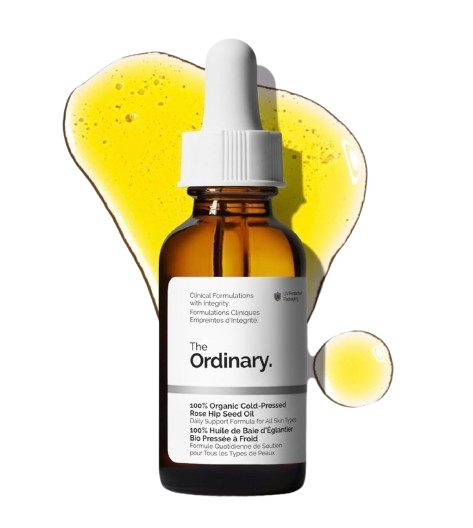
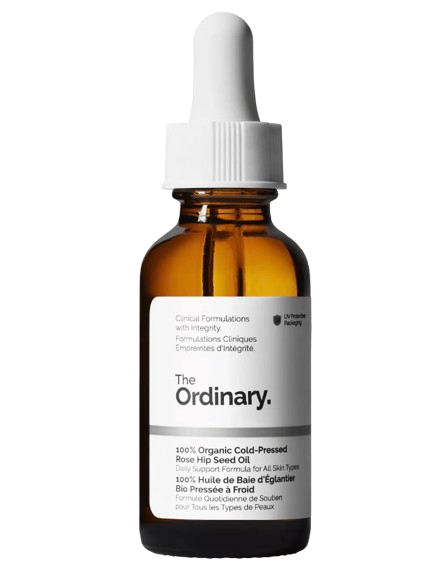
The Ordinary 100% Organic Cold-Pressed Rose Hip Seed Oil
This affordable, no-frills oil contains essential fatty acids, vitamins, and antioxidants that support skin barrier repair. Rose hip oil is lightweight enough to absorb fully (won’t sit on skin surface) but nourishing enough to make a real difference. It’s one of the few oils that works for most skin types without causing breakouts.
Why it works for winter:
Winter strips your skin’s natural oils faster than it can replace them. Adding oil back—especially one that supports barrier function—prevents the dryness spiral before it starts.
How to use:
Apply 3-5 drops to clean skin before moisturizer (oil goes under cream, not over). Mix with foundation for extra glow. Use on cuticles, dry patches, anywhere that needs intensive moisture.
What I DON’T Change
Sunscreen: SPF 30+ every day, all year. Winter sun plus snow reflection = UV exposure. Non-negotiable.
Eye cream: Same formula year-round—under-eye skin needs consistent care regardless of season.
Mascara and brow products: These don’t need seasonal adjustment.
Core skincare actives: Retinol, vitamin C, exfoliants—I keep using these but may reduce frequency if skin gets sensitive.
The Strategic Approach to Seasonal Switching
You don’t need to switch everything at once. Start with the biggest problem areas:
If your main issue is dryness: Switch cleanser and moisturizer first
If your main issue is looking washed out: Switch foundation finish and lip color first
If your main issue is texture: Switch to cream blush and add facial oil
The principle: Winter requires richer textures, deeper colors, and protective barriers. Make switches based on what your skin and appearance need most.
Mini FAQ
When you first notice your skin feeling tight after cleansing, your makeup looking flat, or your lips constantly chapped. This varies by climate—some regions need the switch in October, others not until January.
Both approaches work. You can buy richer versions of what you’re using, OR layer what you have (add facial oil under existing moisturizer, use cream blush over powder foundation). Layering is more budget-friendly but requires more steps.
Oily skin still gets dehydrated in winter. You might not need the richest creams, but you should still switch to non-stripping cleansers and add hydrating serums. Oil production and hydration are different—your skin can be both oily and dehydrated.
If products sit on your skin surface instead of absorbing, cause breakouts, or make skin feel suffocated, they’re too rich. Look for slightly lighter versions of richer formulas (satin instead of full luminous foundation, gel-cream instead of heavy cream moisturizer).
Gradually. As humidity returns and temperature rises, scale back the richest products first (facial oil, heavy cream), then adjust others as needed. Listen to your skin—it will tell you when formulas feel too heavy.
✨ Beth’s Take: Why I Finally Started Switching Seasonally
For years, I used the same beauty routine year-round. If a moisturizer worked in June, I’d keep using it in January. If a foundation looked good in August, I’d wear it in February. Then I’d wonder why my skin looked dull and felt tight all winter.
The breakthrough was understanding that winter isn’t just “colder summer”—it’s fundamentally different conditions requiring different approaches. Low humidity depletes moisture faster than products can replace it. Harsh weather damages the skin barrier. Gray light makes summer makeup shades look washed-out.
Making strategic seasonal switches solved problems I’d been fighting for years. Switching to a cream cleanser eliminated that tight, uncomfortable feeling after washing. Adding facial oil stopped the dryness spiral before it started. Changing to deeper lip colors meant I finally looked alive instead of exhausted in winter photos.
The surprising part? The seasonal switch actually simplified my routine. Instead of layering multiple summer products trying to create enough hydration, one winter moisturizer did the job. Instead of piling on powder blush hoping it would show up, one swipe of cream blush was enough.
Now I look forward to the seasonal switch—it marks the transition into a new season and gives me permission to adjust what’s not working. Winter beauty doesn’t have to mean suffering through dryness or looking washed out. It just means using products designed for winter conditions instead of forcing summer formulas to work in a different climate.
Related
For targeted solutions to specific winter skin issues, check out 10 Hydrating Skincare Products for Winter Skin Recovery and The Dry Skin SOS Kit: Everything You Need to Beat Winter Flakiness. If redness is your main winter concern, browse Redness Must-Haves That Visibly Calm Sensitive Skin. And if you’re recovering from holiday indulgence, read Post-Holiday Skincare Reset: How to Recover from Party Season.
Closing Thoughts
Ready to Make the Seasonal Beauty Switch?
Winter beauty requires richer formulas, deeper shades, and protective barriers that summer doesn’t need. Start with the switches that address your biggest winter challenges—dryness, dullness, or sensitivity—then adjust others as needed. The goal isn’t buying an entirely new routine; it’s strategic substitutions that make your skin look and feel better in harsh winter conditions.