










The winter-to-spring skincare transition happens gradually in late winter—lighten moisturizers, add brightening serums, increase gentle exfoliation, and prep skin for more sun exposure. Don’t wait until spring officially arrives; start now so your skin is glowing by March instead of still recovering from winter damage.
What You’ll Find in This Post
- 6 Skincare Shifts to Start Making Now (Not in March)
- 1. Lighten Your Moisturizer (But Don’t Abandon Hydration)
- 2. Add a Gentle Chemical Exfoliant
- 3. Introduce a Vitamin C Serum for Brightness
- 4. Switch to a Gentler, Brighter Cleanser
- 5. Start Preparing for More Sun Exposure
- 6. Add a Hydrating Facial Mist for the Transition
- Mini FAQ
- ✨ Beth’s Take: Why I Start This in Early February
- More Skincare Inspiration
6 Skincare Shifts to Start Making Now (Not in March)
1. Lighten Your Moisturizer (But Don’t Abandon Hydration)
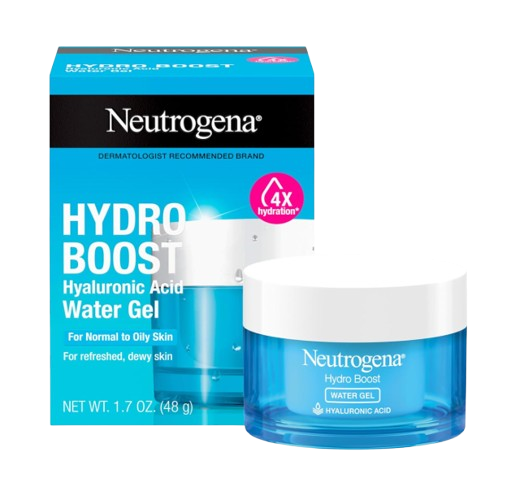
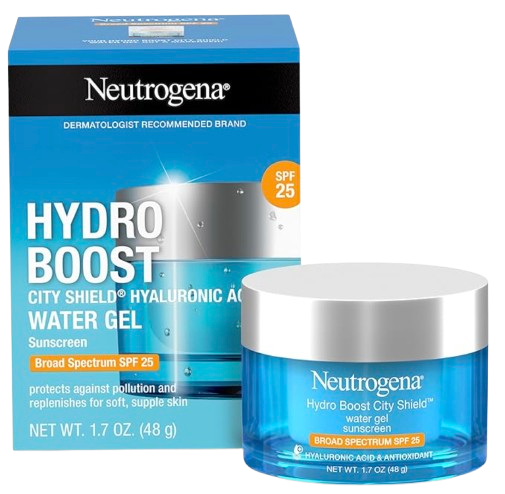
Neutrogena Hydro Boost Water Gel
Winter required heavy creams to combat harsh, dry air and indoor heating. But as temperatures slowly warm and humidity increases (even slightly), that thick moisturizer starts feeling suffocating. The transition isn’t abandoning moisture—it’s switching to lighter textures that hydrate without heaviness.
This gel-cream formula contains hyaluronic acid that holds 1,000 times its weight in water, providing serious hydration in a lightweight, oil-free texture. It absorbs quickly, doesn’t sit on skin’s surface, and works beautifully under makeup. The gel texture feels refreshing instead of occlusive—perfect for skin tired of winter’s heavy layers.
How to transition:
Start using this in the morning (when skin needs lighter texture under makeup and SPF) while keeping your heavier cream for nighttime. After a week, assess if you need the heavy cream at night or if the gel-cream works morning and evening.
The hydration strategy:
Layer this over a hydrating serum for maximum moisture without weight. Lightweight layering beats one heavy product as weather transitions.
2. Add a Gentle Chemical Exfoliant
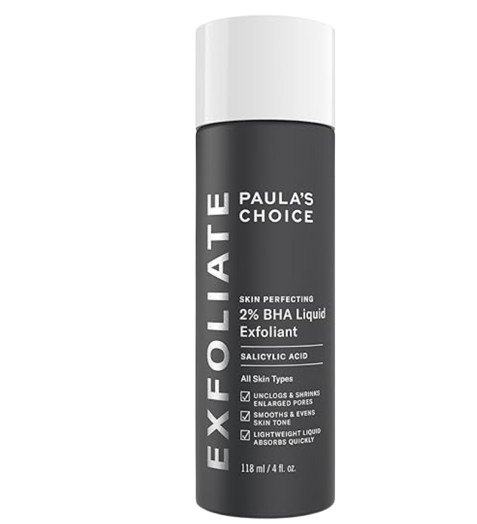
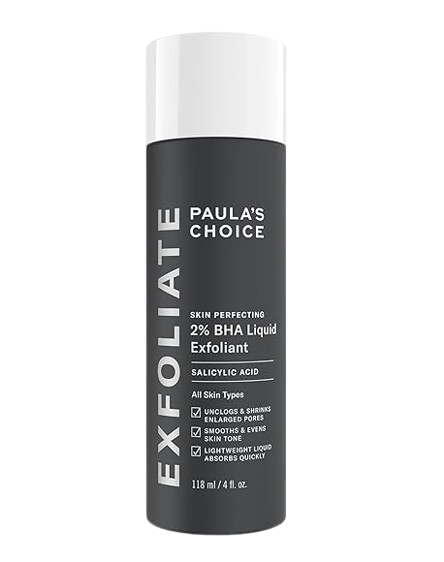
Paula’s Choice 2% BHA Liquid Exfoliant
Winter skin accumulates dead cells—the dryness, the heavy moisturizers, the reduced cell turnover from less sun exposure all contribute to dullness. Gentle chemical exfoliation with BHA (salicylic acid) removes that buildup, revealing brighter, smoother skin underneath without the harshness of physical scrubs.
This liquid exfoliant is foolproof—apply with a cotton pad after cleansing, let it absorb, continue with your routine. The 2% concentration is strong enough to work but gentle enough for daily use (though start 2-3 times per week). It unclogs pores, evens texture, and creates the smooth canvas your skin needs before spring.
How to start:
Use 2-3 evenings per week after cleansing. Let it absorb for a few minutes before applying serum and moisturizer. After two weeks, increase to every other night if skin tolerates it. Never use morning and night initially—over-exfoliation damages your barrier.
What to expect:
First week: slight tingling (normal), possible purging (congestion coming to surface). Second week: smoother texture, reduced dullness. Third week: noticeably brighter, more even skin tone.
Important: Always use SPF when using exfoliants (you should already, but it’s critical when removing dead cell protection).
3. Introduce a Vitamin C Serum for Brightness
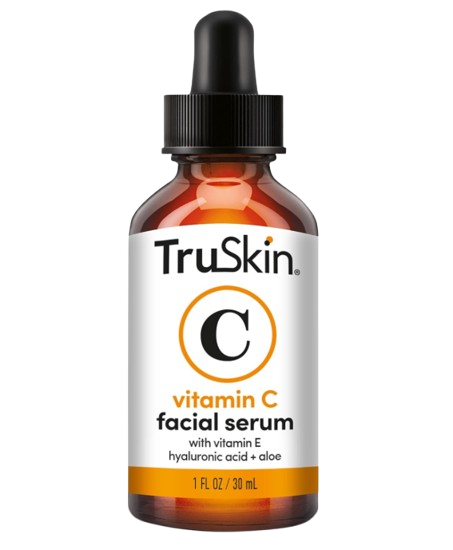
Winter skin is dull—months of less sunlight, heavy moisturizers, and indoor heating create a gray, tired complexion. Vitamin C brightens, evens tone, protects against environmental damage, and boosts collagen production. Starting now means your skin is radiant by spring instead of still recovering.
This serum combines vitamin C with hyaluronic acid and vitamin E for brightening, hydration, and antioxidant protection. The formula is stable (vitamin C can oxidize and become ineffective in poorly formulated products) and works well under moisturizer and SPF.
When to apply:
Morning, after cleansing and before moisturizer. Vitamin C works synergistically with SPF—both protect against UV damage, and vitamin C boosts SPF effectiveness. This is your brightening, protective morning layer.
Why start now instead of waiting:
Vitamin C takes 8-12 weeks to show full results. Starting in early February means visible brightness by April. Waiting until spring means you’re playing catch-up all season.
4. Switch to a Gentler, Brighter Cleanser
CeraVe Hydrating Cream-to-Foam Cleanser
Winter required cream cleansers that didn’t strip skin’s protective oils. But as you lighten your routine and prepare for warmer weather, you need a cleanser that removes the day (sunscreen, pollution, makeup) more thoroughly without being harsh. This cream-to-foam formula gives you both—gentle enough to not strip, effective enough to actually clean.
The cream texture transforms to a light foam with water, removing impurities while maintaining skin’s barrier with ceramides and hyaluronic acid. It’s the perfect transitional cleanser—not heavy cream, not stripping foam, but balanced between both.

Why switch cleansers seasonally:
Your skin’s needs change with weather and your routine. Winter needed minimal cleansing to preserve oils. Spring preparation needs more thorough cleansing to remove buildup and prep for exfoliants and active ingredients.
How to use:
Morning and evening, massage cream onto damp skin, add water to create light foam, rinse thoroughly. Your skin should feel clean but not tight—if it feels stripped, you need a gentler formula.
5. Start Preparing for More Sun Exposure
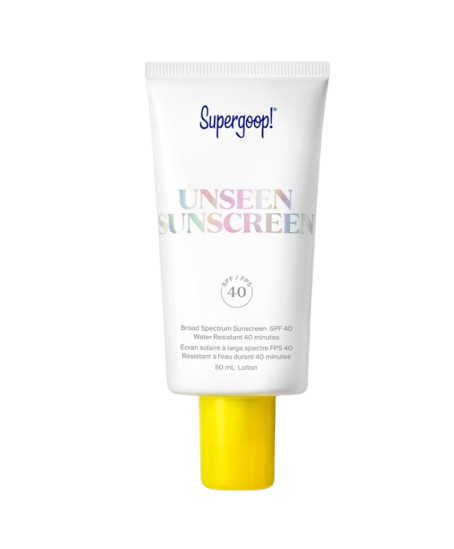
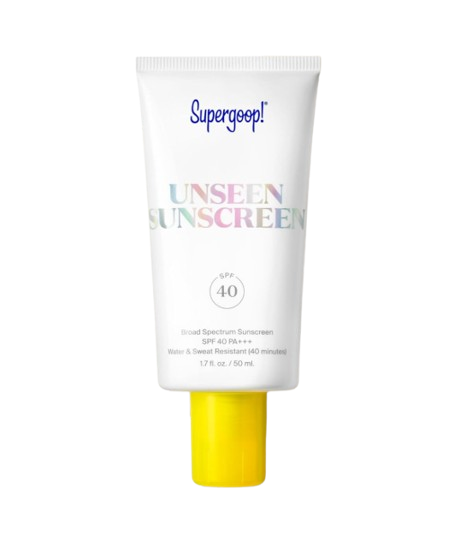
Supergoop! Unseen Sunscreen SPF 40
You’ve been wearing SPF all winter (right?), but spring means more sun exposure—longer days, outdoor activities, sun reflecting off melting snow and wet pavement. Transitioning to a lightweight, invisible SPF now makes daily application effortless before sun exposure increases.
This weightless, scentless formula goes on clear (works on all skin tones), creates a smooth, velvety base under makeup, and provides broad-spectrum SPF 40 protection without white cast, greasiness, or pilling. It feels like a primer, not sunscreen—making it easy to use daily.
Why switch SPF formulas now:
Winter SPF could be richer and more moisturizing (you needed it). Spring SPF should be lightweight and comfortable under warming temperatures and layered skincare. This formula works year-round but shines when you need protection without heaviness.
The reapplication reality:
SPF needs reapplication every 2 hours of sun exposure. For most people working indoors, morning application is sufficient. But as you spend more time outside in spring, keep a powder SPF or stick formula in your bag for midday touch-ups.
6. Add a Hydrating Facial Mist for the Transition
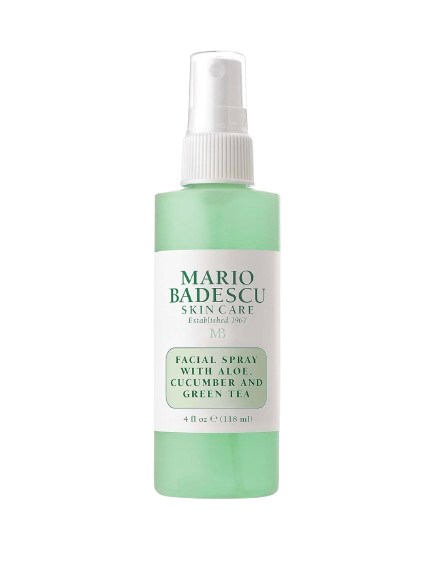
Mario Badescu Facial Spray with Aloe and Cucumber
The transition from heated indoor air to fluctuating temperatures (cold mornings, warmer afternoons) stresses skin. A hydrating facial mist bridges the gap—refreshing skin throughout the day, setting makeup, boosting hydration between skincare steps, and providing a moment of self-care when your skin feels tight or tired.
This cult-favorite spray combines aloe (soothing), herbs (calming), and rosewater (hydrating and toning) in a fine mist that refreshes without disturbing makeup. Keep it on your desk, in your bag, on your nightstand—use whenever skin needs a boost.
How to use:
After cleansing before serums (preps skin to absorb products better), after moisturizer before makeup (adds dewy finish), throughout the day over makeup (refreshes and hydrates), or anytime skin feels tight or irritated.
The refresh ritual:
Close your eyes, hold bottle 8-10 inches from face, mist in an X pattern (forehead to chin, cheek to cheek), let it absorb naturally or pat gently. This 10-second ritual provides hydration and a mental reset.
The Winter-to-Spring Transition Timeline
Early February (now):
- Start using lighter moisturizer in the morning
- Introduce vitamin C serum (mornings)
- Begin gentle exfoliation 2-3x weekly (evenings)
Mid-February:
- Switch to transitional cleanser
- Increase exfoliation to every other night if tolerated
- Add hydrating mist to routine
Late February/Early March:
- Fully transition to lighter moisturizer (morning and night if appropriate)
- Switch to lightweight SPF formula
- Assess if you need any heavy winter products or can fully lighten
By Spring:
- Your skin is bright, smooth, and glowing instead of still recovering from winter damage
- Your routine is lightweight and appropriate for warmer weather
- You’re ahead of seasonal changes instead of reacting to them
What NOT to Change Yet
Don’t abandon all winter products immediately:
If you live in a cold climate, you might still need heavier nighttime moisture in February. Transition gradually based on your skin’s response, not the calendar.
Don’t start retinol for the first time:
Spring means more sun, and retinol increases photosensitivity. If you’re already using retinol, continue. If not, wait until fall to introduce it.
Don’t over-exfoliate in excitement:
Adding exfoliation and vitamin C simultaneously is enough change. Don’t pile on multiple new actives—your barrier needs time to adjust.
Don’t stop SPF:
You should never stop SPF, but especially not during transitional seasons when sun exposure increases without you fully noticing.
Adjusting Based on Your Skin’s Response
If skin feels dry or tight:
You transitioned too quickly. Go back to heavier moisturizer at night, reduce exfoliation frequency, ensure you’re using hydrating serum under lighter moisturizer.
If skin breaks out:
Could be purging from exfoliation (temporary, normal) or too many new products at once. Pause new additions, let skin calm, reintroduce one product at a time.
If skin looks dull despite changes:
Give it time—brightness from vitamin C takes weeks. Ensure you’re exfoliating enough (dead cell buildup prevents glow). Check that your vitamin C hasn’t oxidized.
If skin feels oily:
Good sign you’ve successfully lightened your routine. This is normal as skin adjusts from heavy winter products. Don’t over-cleanse in response—let your skin rebalance.
Mini FAQ
Not everyone does, but most people benefit from adjusting as weather and indoor conditions change. If your skin feels good year-round with the same routine, keep it. If you notice dryness in winter or oiliness in summer, seasonal adjustments help.
These principles still apply—lighten textures as temperatures warm, add exfoliation and brightening as sun exposure increases. Adjust timing based on your local weather patterns.
Yes, but introduce gradually. Week 1: lighter moisturizer. Week 2: add vitamin C. Week 3: add exfoliant. Week 4: switch cleanser. This prevents overwhelming your skin with too many changes at once.
Yes—lighter body lotion, exfoliating body scrub or dry brushing, and don’t forget body SPF as you wear lighter clothing and spend more time outside.
Focus on repair first (heavy hydration, barrier repair, gentle products) before lightening your routine. Damaged skin needs healing before transitioning. Give it another few weeks of intensive care.
✨ Beth’s Take: Why I Start This in Early February
For years, I’d wait until the first warm day in March to suddenly switch all my skincare products at once. My skin would freak out—breakouts, dryness, sensitivity, confusion from too many changes simultaneously while also dealing with fluctuating weather.
Then I learned that transitional skincare should happen gradually, starting before the weather actually changes. Now I begin lightening my routine in early February, and by the time spring arrives, my skin is glowing instead of still recovering.
The game-changer was understanding that it takes weeks for skincare changes to show results. Starting vitamin C in early February means brightness by April. Introducing gentle exfoliation now means smooth, even texture by spring. Waiting until “spring” meant playing catch-up all season.
The gradual approach also prevents the skin freakouts I used to experience. One change per week gives my skin time to adjust, shows me what’s working (and what isn’t), and prevents the overwhelm of too many new products at once.
My skin in late winter used to look tired, dull, and heavy—like it was still hibernating even as I wanted to emerge from winter’s darkness. Now, by starting the transition early and moving gradually, my skin feels fresh and bright by March instead of still struggling.
This isn’t about complicated routines or expensive products. It’s about recognizing that skin needs time to transition between seasons and starting early enough that you’re ahead of the changes instead of reacting to them. Your spring skin will thank you for the February prep work.
More Skincare Inspiration
For more seasonal skincare guidance, check out The Seasonal Beauty Switch: What Changes in My Routine for Winter—understanding the winter routine helps you know what to transition away from. If your skin is sensitive during the change, read Redness Must-Haves That Visibly Calm Sensitive Skin. And if winter left your skin damaged and dehydrated, start with 10 Hydrating Skincare Products for Winter Skin Recovery before making the spring transition.
Closing Thoughts
Transition Your Skincare
The winter-to-spring skincare transition starts in early February, not March—lighten moisturizers gradually, add brightening vitamin C, introduce gentle exfoliation, and prep for increased sun exposure. Move slowly, introducing one change per week, so your skin adjusts smoothly instead of freaking out from too many simultaneous changes. By the time spring actually arrives, your skin will be glowing and ready instead of still recovering from winter damage.