













Allergy season does not stay in your sinuses. The same inflammatory response that produces the sneezing and the watery eyes also shows up on your skin — as redness, increased sensitivity, puffiness around the eyes, contact irritation from touching your face, and a general reactivity that makes your usual skincare routine feel suddenly wrong. Products that were fine in February cause stinging in April. Skin that was manageable in winter becomes unpredictable the moment pollen counts rise. This is not a coincidence and it is not a new skin type — it is allergy season, and it calls for a temporary but intentional adjustment to your routine. Here are seven products worth having when the pollen hits.
What You’ll Find In This Post:
- 7 Skincare Products for Allergy Season
- 1. The Barrier Cream That’s the First Line of Defense
- 2. The Micellar Water That Cleanses Without Aggravating
- 3. The Eye Cream That Addresses Allergy Puffiness
- 4. The Serum That Calms Systemic Redness
- 5. The Mist That Provides Immediate Relief
- 6. The SPF That Won’t Trigger Additional Reactivity
- 7. The Overnight Mask That Resets While You Sleep
- Mini FAQ
- More Spring Skincare
7 Skincare Products for Allergy Season
1. The Barrier Cream That’s the First Line of Defense
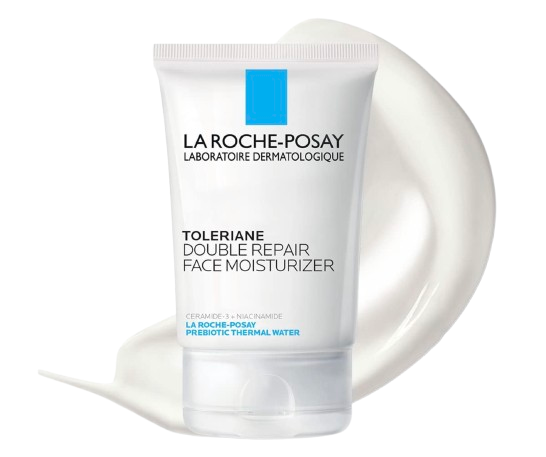
La Roche-Posay Toleriane Double Repair Face Moisturizer
The skin barrier is what stands between the external environment and the reactive skin underneath, and allergy season is precisely when that barrier needs the most support. Pollen, environmental pollutants, and the repeated eye-rubbing and face-touching that come with seasonal allergies all compromise the barrier function — which is why skin that’s never been reactive in March suddenly is in April. The La Roche-Posay Toleriane Double Repair moisturizer is formulated specifically for compromised, reactive skin: ceramides to rebuild barrier function, niacinamide to calm inflammation, and a fragrance-free, prebiotic formula that restores the skin’s healthy microbiome rather than disrupting it. It works both as a morning moisturizer under SPF and as an evening repair treatment. For allergy season specifically, it’s the product that stops the cascade — when the barrier is functioning properly, pollen and environmental irritants can’t penetrate as easily, and the skin remains more stable regardless of what’s in the air.
2. The Micellar Water That Cleanses Without Aggravating
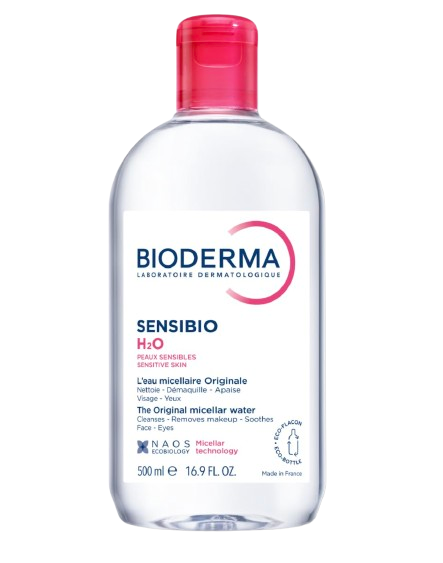
Bioderma Sensibio H2O Micellar Water
Allergy season creates a specific cleansing dilemma: you need to remove pollen and pollutants from the skin surface more frequently than usual, but the skin is too reactive to tolerate the repeated cleansing that would normally accomplish this. Foaming cleansers, exfoliating cleansers, and anything with fragrance or active ingredients become too much when the skin is already inflamed. The Bioderma Sensibio is the allergy season cleanser: micellar technology lifts pollen, makeup, and surface debris with no rinsing required, no surfactant stripping, and no fragrance to trigger additional reactivity. Use it morning and night in place of your regular cleanser during peak allergy weeks, or use it as a midday refresh when you’ve been outdoors — a cotton pad swipe removes what the air has deposited on your skin without disturbing the barrier or requiring another full cleansing routine.
3. The Eye Cream That Addresses Allergy Puffiness
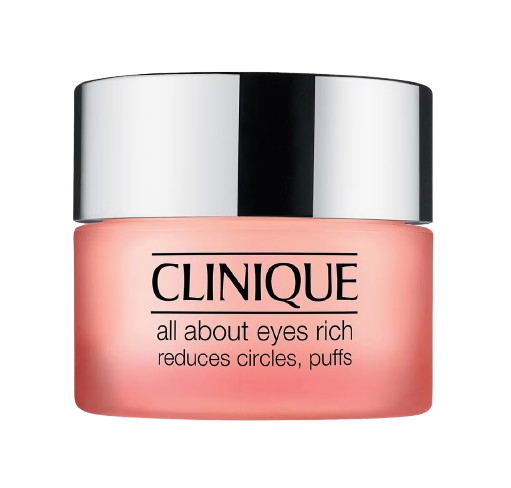
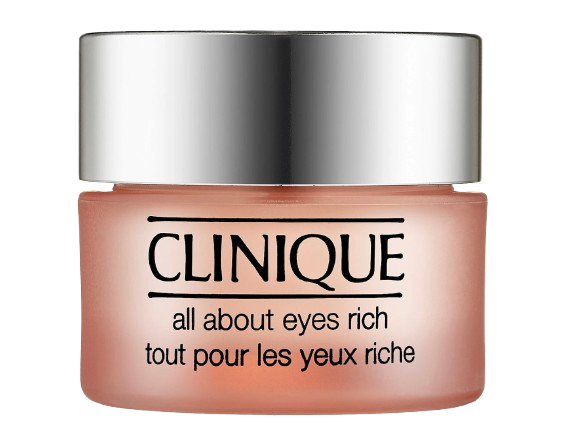
Clinique All About Eyes Rich Eye Cream
The eyes are where allergy season makes itself most visible on the face — puffiness from the inflammatory response, darkness from the dilated blood vessels that accompany it, and dryness from the repeated rubbing that allergy sufferers do without always realizing. A standard eye cream doesn’t fully address this combination, but the Clinique All About Eyes Rich does: the emollient formula is rich enough to counteract the dryness and barrier damage from rubbing, cooling enough on application to provide immediate relief to inflamed skin, and formulated with caffeine and optical diffusers that visibly reduce the look of puffiness and darkness. Keep it in the refrigerator during allergy season — the cold application amplifies the depuffing effect in a way that room-temperature application doesn’t, and the moment of a cool eye cream on inflamed, puffy eyes is one of the small but genuine reliefs of a difficult allergy season.
4. The Serum That Calms Systemic Redness
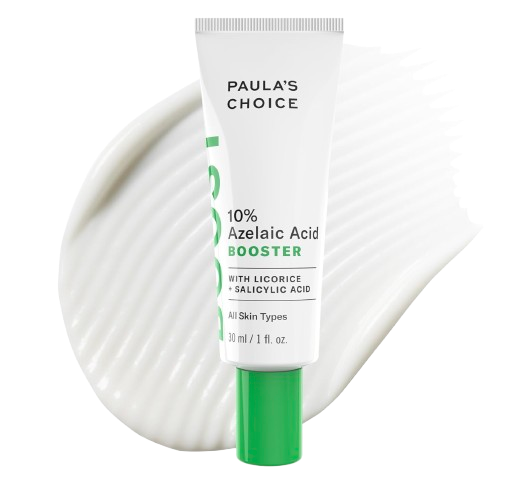
Paula’s Choice 10% Azelaic Acid Booster
Azelaic acid is the ingredient that allergy season calls for — it’s anti-inflammatory, calms redness and rosacea-like flushing, is safe for reactive and sensitive skin, and works without the irritation that other active ingredients (retinol, AHAs, strong vitamin C) can cause when the skin is already compromised. The Paula’s Choice 10% Azelaic Acid Booster delivers it in a stable, fragrance-free formula that’s light enough to layer under moisturizer morning and night. For the redness that allergy season triggers — the diffuse flushing across the cheeks and nose that isn’t quite rosacea but behaves like it — this is the serum that addresses the cause rather than simply concealing it. Use it in place of any more aggressive active serums during peak allergy weeks, then return to the regular rotation when the skin has stabilized.
5. The Mist That Provides Immediate Relief
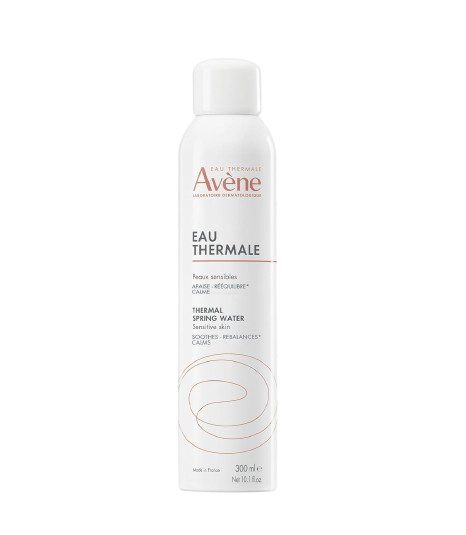
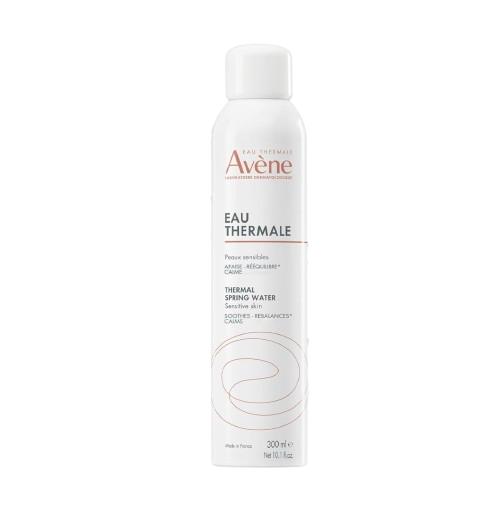
Avène Thermal Spring Water Spray
There is no faster intervention for allergy-triggered skin irritation than a thermal spring water mist, and the Avène is the benchmark in this category for a reason that’s as simple as its ingredients list: it contains only water from the Avène thermal spring, which has a naturally low mineral content and anti-irritant properties that have been clinically documented since the 1990s. Spray it on reactive, irritated, or flushed skin for immediate cooling and calming that requires no absorption time and triggers no additional reactivity. Keep one on the desk during allergy season for the moments when the skin starts to itch or flush — a ten-second mist provides real, immediate relief without disrupting makeup or requiring a full skincare intervention. Use it over makeup, over SPF, or on bare skin. It works in every context.
6. The SPF That Won’t Trigger Additional Reactivity
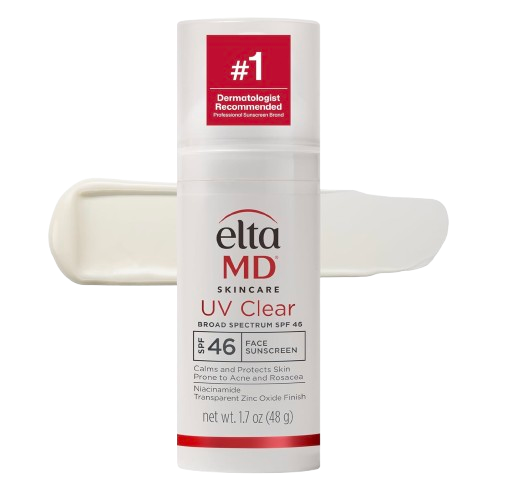
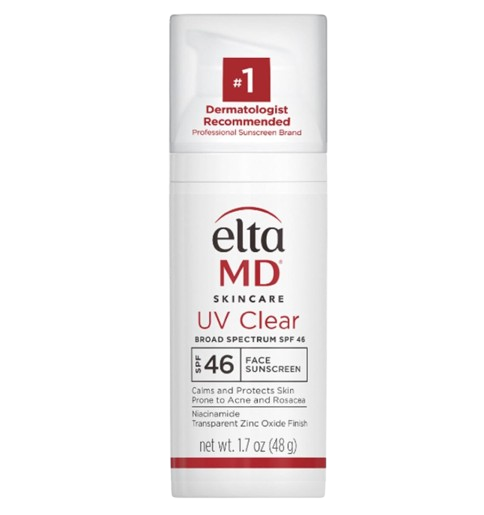
EltaMD UV Clear Broad-Spectrum SPF 46
Allergy season is not a reason to skip SPF — spring UV exposure is real and cumulative, and sun damage compounds whatever inflammatory state the skin is already in. The problem is that many chemical sunscreen formulas contain ingredients (oxybenzone, avobenzone, fragrances) that become irritants on reactive allergy-season skin that would otherwise tolerate them fine. The EltaMD UV Clear uses a transparent zinc oxide base — mineral rather than chemical — in a formula specifically designed for sensitive, rosacea-prone, and reactive skin. The niacinamide in the formula adds an additional anti-inflammatory benefit. It absorbs without white cast, sits comfortably under makeup, and provides broad-spectrum protection without the chemical filters that aggravate reactive skin. For allergy season specifically, this is the SPF to use rather than whatever you were wearing through winter.
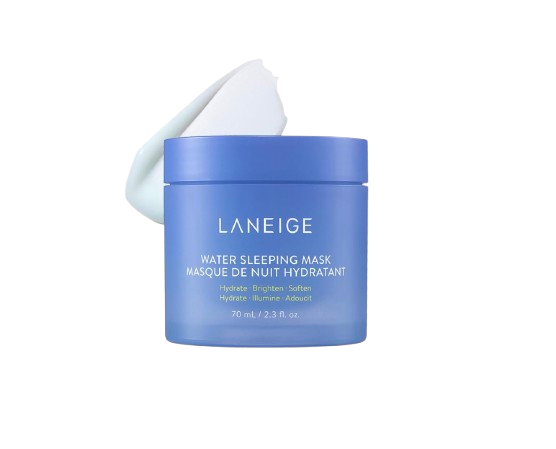
7. The Overnight Mask That Resets While You Sleep
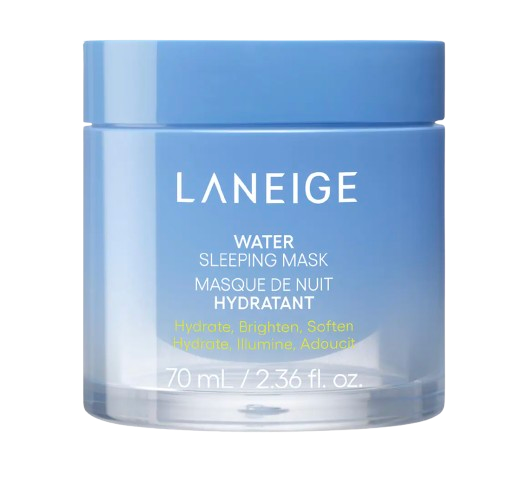
The overnight mask is the allergy season skincare move that delivers the most visible reset: apply as the final step of your evening routine in place of or over your night moisturizer, allow it to work through the night as a concentrated hydration and barrier-repair treatment, and wake up to skin that looks and feels calmer than the allergy-triggered day left it. The Laneige Water Sleeping Mask uses a CYTOKINE technology complex alongside squalane, evening primrose, and apricot botanical extracts to deeply hydrate and repair the moisture barrier overnight — which is precisely what allergy-compromised skin needs. The barrier that allergy season spends all day breaking down gets rebuilt overnight, and the skin is slightly more resilient the following morning for it. Use it two to three nights a week during peak allergy season for cumulative improvement.
How Allergy Season Affects Skin — And Why
The inflammation connection is systemic. When your immune system reacts to pollen, it releases histamines throughout the body — not just in the nasal passages. Histamine causes vasodilation (the widening of blood vessels), which is why skin becomes flushed and puffy during allergy season. The same mechanism that produces a runny nose produces the redness across your cheeks.
The barrier becomes more permeable. Allergy season inflammation disrupts the skin’s tight junction function — the cellular seals that prevent environmental irritants from penetrating. During peak allergy weeks, pollen proteins, pollution particles, and product ingredients that would normally be blocked at the surface can reach the skin’s reactive lower layers. This is why products that were fine in February cause stinging in April.
Eye rubbing is a specific compounding factor. The skin around the eyes is the thinnest and most delicate on the face. Repeated rubbing during allergy season breaks down the skin barrier in that area specifically, causes micro-inflammation that manifests as darkness and puffiness, and can introduce allergens from the hands into the periocular area. A refrigerated eye cream and the discipline to tap rather than rub make a measurable difference.
Active ingredients become too much. Retinol, high-percentage vitamin C, AHAs and BHAs — these ingredients are appropriate when the skin barrier is functioning properly. During allergy season, when the barrier is compromised, they become too aggressive for the reactive state the skin is already in. Stepping back from actives and focusing on barrier support is not a setback — it is the correct response to the skin’s current condition.
The Allergy Season Routine — Simplified
Morning: Bioderma Sensibio micellar water (in place of regular cleanser) → Paula’s Choice Azelaic Acid Booster → La Roche-Posay Toleriane Double Repair moisturizer → Clinique All About Eyes Rich (refrigerated) → EltaMD UV Clear SPF 46
During the day: Avène Thermal Spring Water mist as needed for immediate relief — over makeup, over SPF, any time skin flushes or itches.
Evening: Bioderma Sensibio micellar water → Paula’s Choice Azelaic Acid Booster → La Roche-Posay Toleriane Double Repair → Laneige Water Sleeping Mask (2–3 nights per week)
What to pause during peak allergy weeks: Retinol. High-percentage vitamin C. Chemical exfoliants. Fragranced products of any kind. Any new product introductions — this is not the time to test new formulas on reactive skin.
Mini FAQ
Allergy-triggered skin reactivity tends to be diffuse — redness across the full face, general sensitivity, puffiness particularly around the eyes — and correlates with outdoor time and pollen counts rather than product application timing. A product reaction tends to be localized to where the product was applied. If the reactivity improves on days you spend indoors with windows closed, it’s more likely environmental than product-triggered.
During peak allergy weeks when the skin is actively reactive, yes — stepping back from retinol for two to four weeks is appropriate. The azelaic acid is a gentler alternative that still provides some resurfacing benefit without the barrier-stripping effect of retinol on compromised skin. Return to retinol gradually once the skin has stabilized.
Yes — oral antihistamines address the systemic histamine response that causes skin flushing and reactivity alongside the nasal and eye symptoms. If your allergy season skin symptoms are significant, managing the systemic allergy response with antihistamines alongside the topical skincare routine is the most effective combined approach.
For reactive and sensitized skin, mineral SPF (zinc oxide or titanium dioxide) is generally less likely to cause irritation than chemical SPF because it sits on the skin surface rather than being absorbed. It’s not universally better for all skin types in all conditions, but during allergy season when the barrier is compromised, mineral is the safer choice.
Spring tree pollen season typically runs from March through May, with peak counts in April. Grass pollen follows in May and June. If your skin reacts specifically to tree pollen, the window is approximately six to eight weeks. The routine adjustments in this post are designed for that temporary window — not as permanent changes.
✨ Beth’s Take: The April I Finally Connected the Dots
For several years I had a spring skincare mystery I couldn’t solve: every April, my skin became reactive in ways it wasn’t in any other season. Products that were fine in February stung. Redness appeared without an obvious cause. My under-eye area looked perpetually inflamed no matter what I did. I kept changing products, convinced something in my routine had turned on me.
The connection I wasn’t making: allergy season. I was treating the skin symptoms as a skincare problem when they were actually an immune response problem with a skincare component. The moment I understood that the skin barrier behaves differently when the immune system is actively responding to environmental allergens, the whole pattern made sense — and the solution became straightforward.
The simplification is the key. Every April now, I step back from the actives, switch to the barrier-repair moisturizer, add the azelaic acid in place of stronger serums, and treat the routine as supportive rather than corrective. The skin doesn’t need to be improved during allergy season — it needs to be protected and calmed until the immune response quiets. That reframe changed everything.
More Spring Skincare
For the body skin side of spring care — exfoliation, hydration, and prepping for bare skin season — Body Care for Spring: Exfoliation, Hydration, and Self-Care is the companion post that covers everything below the neckline. And for the skincare deals running now that make restocking the allergy season routine more affordable, Jennifer’s post on the Amazon Big Spring Beauty Sale: The Best Skincare Deals for a Complete Morning & Evening Routine has everything worth knowing about, regardless of sale status.
Closing Thoughts
Time to Adjust Your Routine for Allergy Season
Simplify first. Barrier support before actives. Mineral SPF instead of chemical. A micellar cleanser instead of anything foaming or active. The Avène mist in your bag for the moments the skin reacts during the day. And the overnight mask two to three nights a week to rebuild overnight what allergy season spends all day breaking down. The season lasts six to eight weeks. Your skin can get through it better than it has before — with the right routine adjustments and the right products to support them.




LEAVE A COMMENT