















The moment you switch from boots to lighter shoes is one of spring’s small but genuine satisfactions — and it’s also the moment most people make a mistake that costs them the following winter. Winter boots that go into storage dirty, salt-stained, and unprotected come out next October cracked, dull, and in worse shape than they deserve to be. Five years of proper seasonal storage is the difference between boots that last a decade and boots that need replacing every two years. Here’s how to do the transition right: clean what’s coming off your feet, store it properly, prep what’s going back on them, and arrive at spring with a shoe rotation that’s ready for the season.
Table of contents
- 7 Products That Make the Seasonal Shoe Transition Worth Doing Right
- 1. The Leather Cleaner That Removes a Whole Winter’s Worth of Damage
- 2. The Conditioner That Keeps Leather from Cracking in Storage
- 3. The Boot Trees That Hold Shape Through the Off-Season
- 4. The Storage Bags That Protect Without Trapping Moisture
- 5. The Suede Brush That Revives What Winter Flattened
- 6. The Protector Spray That Goes on Before the First Wear
- 7. The Shoe Rack That Makes the Spring Rotation Visible
- Mini FAQ
- More Closet Inspiration
7 Products That Make the Seasonal Shoe Transition Worth Doing Right
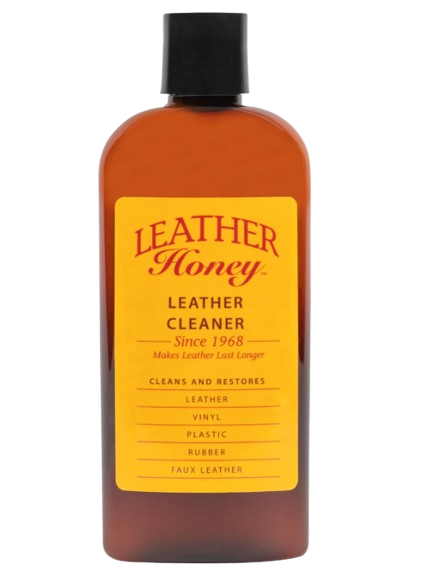
1. The Leather Cleaner That Removes a Whole Winter’s Worth of Damage
Salt stains, road grime, mud from late-winter walks, the general accumulation of months of active wear — winter boots collect all of it, and none of it belongs in storage. The Leather Honey Leather Cleaner is the starting point for any boot that’s going into seasonal storage: a concentrated, non-toxic formula that lifts salt residue, staining, and surface dirt without stripping the leather of its natural oils or leaving a residue of its own. Apply with a soft cloth, work in small sections, wipe clean. For heavily salt-stained leather — the white tide line that forms along the ankle and toe — a second pass resolves what a single application might not fully reach. Clean leather before conditioning. This is always the first step.
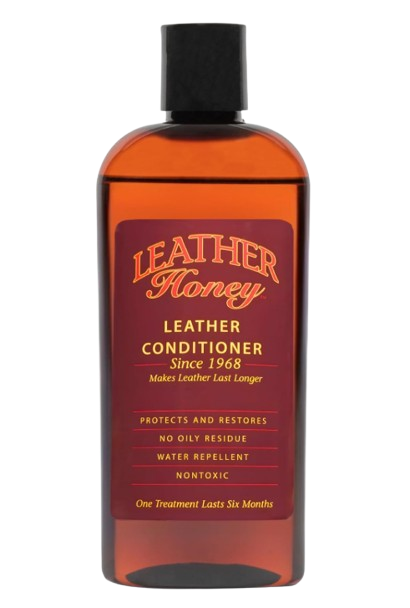
2. The Conditioner That Keeps Leather from Cracking in Storage
Leather Honey Leather Conditioner
Leather that goes into storage without conditioning dries out over the months it sits — the natural oils that keep it supple and flexible evaporate without the regular movement and exposure of daily wear, and by October it has lost enough moisture to crack when flexed. The Leather Honey Conditioner is the preventive step that stops this: deeply penetrating, long-lasting, and formulated to work on smooth leather, suede, nubuck, and faux leather equally. Apply after cleaning, work it in with a soft cloth, allow it to absorb fully before storage. One application before the boots go away protects them through the entire off-season. This is the step most people skip and the one that explains why their boots look worse every year.
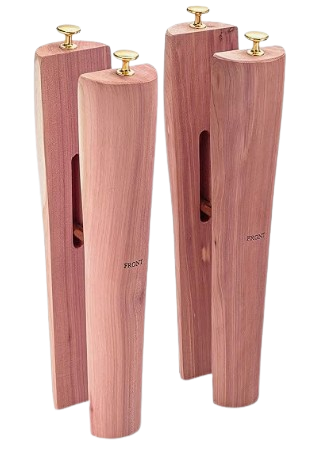
3. The Boot Trees That Hold Shape Through the Off-Season
Boots stored without support collapse at the shaft — the leather folds, creases form, and the structural integrity of the boot degrades in ways that are difficult or impossible to reverse. Cedar boot trees solve this by maintaining the boot’s natural shape through the months it’s not being worn, and the cedar specifically does double work: it absorbs the residual moisture that builds up in footwear over a season of wear, and it naturally deters the moths and insects that can damage leather and suede in storage. Slide them in after conditioning, before the boots go into their bags. The difference between a boot stored with trees and one stored without is visible at the start of the following season — one looks like it just came out of the box, one looks like it spent the summer in the back of a closet.
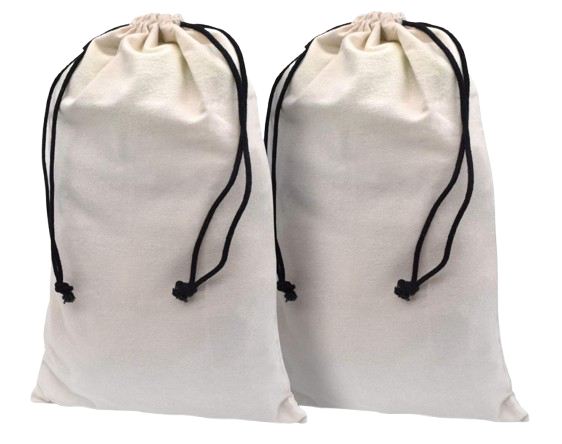
4. The Storage Bags That Protect Without Trapping Moisture
Cloth Breathable Shoe and Boot Storage Bags
The instinct is to store boots in plastic — it feels protective, it keeps dust off, it seems sealed against the elements. The instinct is wrong. Plastic traps moisture and creates the environment that mold and mildew need to establish themselves on leather and suede during the months the boots sit. Breathable fabric storage bags allow air circulation while keeping dust and light out — which is exactly the environment leather needs for long-term storage. The bags are the right size for knee-high and ankle boots with cedar trees already inserted, close with a drawstring, and stack neatly on a closet shelf or under a bed. Label them on the outside (a simple strip of masking tape with the boot description) so you’re not opening every bag in October to find the right pair.
5. The Suede Brush That Revives What Winter Flattened
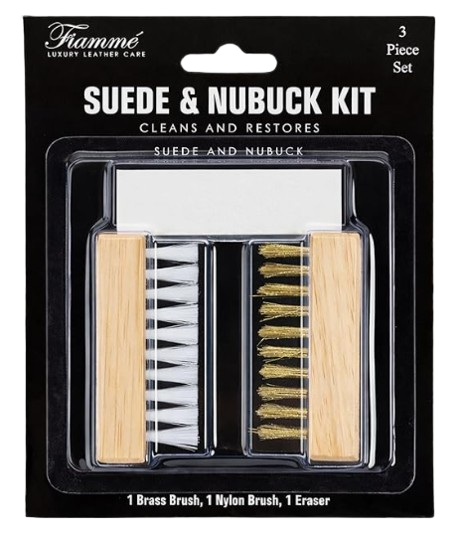
Suede and Nubuck Brush — Brass and Nylon
Suede boots take particular abuse in winter — the nap gets flattened by wear, stained by moisture and salt, and matted by the general indignity of months of daily use. A suede brush with both brass and nylon bristles restores what winter took: the brass bristles lift compacted nap and break up dried staining, the nylon bristles smooth and restore the finish. Use it in one direction to clean, then in the other to raise the nap back to its original texture. For suede boots that look beyond salvaging after winter, a thorough brush-through before storage is often the step that reveals the boots are in significantly better condition than they appeared — and gives them a clean surface to which a protective spray can adhere properly.
6. The Protector Spray That Goes on Before the First Wear
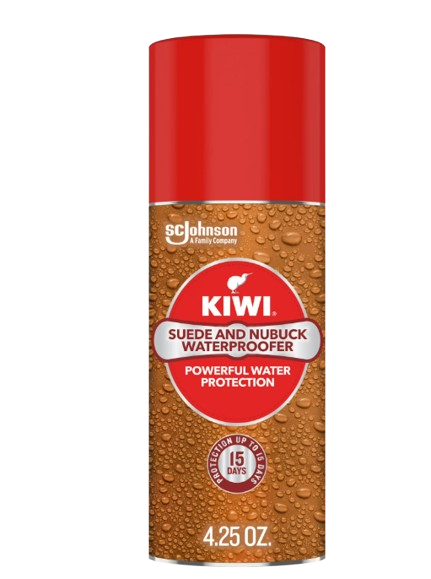
KIWI Suede & Nubuck Waterproofer Spray
Suede and smooth leather alike benefit from a protective spray applied at the beginning of each season — but the more useful application is to this year’s spring shoes before the first time they’re worn, not to last year’s boots going into storage. The KIWI spray creates a water-resistant barrier on leather, suede, canvas, and fabric footwear that repels moisture and staining at the surface level rather than requiring the shoe to absorb it first. Apply to clean, dry shoes in a well-ventilated space, allow 24 hours to cure before wearing, and reapply every four to six weeks throughout the season. Spring shoes treated this way stay cleaner longer and are significantly easier to maintain — which means they look better all season and go into next winter’s storage in better condition than untreated shoes ever do.

7. The Shoe Rack That Makes the Spring Rotation Visible
The seasonal shoe transition is only fully complete when the spring rotation is accessible and organized — which means the winter boots are stored, the shoe rack is cleared, and the sandals, flats, and lighter shoes of the season are visible and within reach. A bamboo shoe rack with eight tiers holds 24 to 32 pairs depending on shoe size, sits in a closet or entryway without taking up disproportionate space, and has the natural, warm finish that makes it look intentional rather than utilitarian. When your spring shoes are on the rack and your winter boots are stored properly in their bags, the closet operates differently — you see what you have, you reach for things deliberately, and you stop wearing the same three pairs because the rest are buried. The rack is the organizational finish line of the seasonal transition.
The Complete Spring Shoe Transition — In Order
Step 1: Clean the winter boots. Leather Honey Cleaner on all leather and smooth surfaces. Suede brush on all suede and nubuck. Let dry completely before the next step.
Step 2: Condition the leather. Leather Honey Conditioner on all smooth leather boots. Allow full absorption — at least 30 minutes, ideally overnight — before storage.
Step 3: Insert cedar boot trees. Into every pair going into storage. The tree maintains shape; the cedar manages moisture.
Step 4: Bag for storage. Each pair goes into a breathable bag, labeled on the outside. Stack on a high shelf or under the bed — somewhere cool, dry, and dark.
Step 5: Clear the rack. Move the stored boots off the primary shoe storage area. This is the moment that signals the transition is complete.
Step 6: Prepare the spring rotation. Bring out sandals, flats, sneakers, lighter ankle boots, and anything else that belongs in the spring lineup. Spray with KIWI before the first wear.
Step 7: Rack and enjoy. Organize the spring rotation on the bamboo rack so everything is visible and accessible. The transition is done.
Why Proper Boot Storage Matters More Than You Think
Leather has memory. Boot leather that folds in storage remembers the fold. Creases that form during storage become permanent features of the boot’s silhouette — not wear lines from actual use, but storage damage that ages the boot prematurely and can’t be reversed.
Salt damage is cumulative and invisible until it isn’t. The salt that builds up in leather during winter use continues drawing moisture out of the leather even after the boot has been removed from your foot. Boots stored with salt residue in the leather emerge from storage with cracks and brittleness that looks like age but is actually entirely preventable.
The off-season is long. From April to October is six months — longer than the boots were worn. The conditions they’re stored in for six months matter at least as much as how they were treated during the five months of wear.
The cost-per-wear math favors proper care. A $200 pair of boots that lasts five years with proper care costs $40 per year. The same boots that last two years without it cost $100 per year. The $30 in product and the hour of care are among the most financially sound decisions available in a wardrobe maintenance context.
Mini FAQ
Original boxes provide no moisture management and often no shape support — they’re designed for retail storage and shipping, not seasonal home storage. Cedar trees in breathable bags are meaningfully better for long-term leather health.
Often yes — the suede brush breaks up dried water marks more effectively than most people expect. For deep staining, a suede-specific stain eraser (available at most shoe care retailers) combined with the brass bristle brush resolves the majority of water marks. Test on an inconspicuous area first.
Cedar boot trees specifically designed for tall boots maintain the shaft upright. If you’re using shorter trees, stuff the shaft loosely with acid-free tissue paper to maintain its shape. Never store tall boots horizontally — the shaft will crease.
The KIWI spray formula is safe for leather, suede, nubuck, canvas, and most fabric uppers. Avoid using on patent leather or very delicate embellishments. Always test on an inconspicuous area first and apply in a well-ventilated space.
If you would buy them again at their original price, they’re worth caring for properly. If they’ve reached the end of their natural life regardless of condition, donate or discard rather than storing. The storage system and care products are investments in quality footwear — apply them accordingly.
✨ Beth’s Take: The Year I Finally Learned What Was Killing My Boots
I replaced the same pair of leather ankle boots three times in six years before I understood why they kept deteriorating. The boots weren’t poor quality — I was storing them incorrectly. Into the original box at the end of April, out of the box in October, worse every year. The leather was cracking, the toe was collapsing, the shaft was permanently creased. I assumed it was normal wear.
It wasn’t. It was six months of inadequate storage repeated annually. The first year I used cedar boot trees and breathable bags — cleaned and conditioned first — the same quality of boot came out of storage in October looking like I’d just bought it. The difference was not subtle. I could see it the moment I unzipped the bag.
The suede brush was the second revelation, specifically for a pair of gray suede boots I’d essentially written off as too damaged to bother with. Twenty minutes with the brush — brass bristles on the staining and compacted areas, nylon to finish — and the boots looked recoverable. They went into storage properly that spring and came out the following October in genuinely good condition. I’ve worn them three more seasons since. The boots I thought were done had years left in them.
More Closet Inspiration
For the spring footwear worth adding to the rotation you’ve just organized, The Best Ankle Boots to Wear Into Spring (Buy Now, Wear for Months!) covers the styles that bridge the season beautifully. And for the full closet transition that puts this shoe care work in context, The Weekend Closet Refresh That’ll Make You Excited to Get Dressed in the Mornings is the project that makes getting dressed feel as good as the closet looks.

Closing Thoughts
Make the Seasonal Shoe Transition
Clean before you store. Condition what the winter took. Insert the cedar trees, zip the breathable bags, label them clearly, and put them somewhere cool and dark. Then clear the rack, spray this season’s shoes before the first wear, and organize the spring rotation so it’s visible and accessible. The whole process takes two hours and protects years of wear from every pair of boots worth owning. Your October self will be glad you did.





LEAVE A COMMENT